· Sourcing & Quality · 22 min read

Written by ENCORE Lighting Team
LED Lighting Manufacturer & OEM/ODM Partner ·
Hotel Lighting MOQ: How Many Fixtures a Project Needs
Hotel lighting minimum order quantities explained for real projects: how many fixtures a 120-key hotel actually specifies, the five MOQ tiers, the hidden MOQs that really stop hotel orders — and a procurement checklist you can copy.
Ask three suppliers “what is your hotel lighting MOQ?” and you will get three numbers: 50, 300, and “it depends”. All three are honest. None of them answers the question a hotel project actually has.
Here is why. On a hotel job, the quantity is not a decision anyone makes at the purchasing stage. It is written down much earlier — in the room count, the corridor length, the number of covers in the restaurant, the brand standard for a guest room. By the time someone opens a purchase order, the fixture count is already fixed by the schedule.
So this article starts where the other MOQ guides stop. Instead of explaining what a minimum order quantity is (our LED track lighting MOQ guide does that properly), it answers: how many fixtures does a hotel actually need, does that quantity clear the MOQ, and what are the minimums that really put hotel projects on hold?
One claim up front: on a 120-key hotel, lighting MOQ stops being a constraint before the first quotation is sent. What stops projects is the MOQ hiding in the materials, the finishes and the brand carton — not in the fixture count.
Two numbers before we go further. Trade reporting puts global hospitality construction in the tens of billions of dollars a year and roughly 130,000 new hotel rooms opening annually in the United States alone (AHLA/STR pipeline data). Every one of those rooms needs a lighting schedule, and lighting is routinely 10–20% of a hotel’s electrical scope. That is the volume these minimums are set against. The counts below are indicative planning figures for an upper-midscale property, not a quotation.
The Short Answer
Typical hotel lighting MOQ, by what you are asking the factory to change:
- Branded packaging, logo marking, your own spec labels: 100–300 units per model
- Configuration from an existing catalogue — CCT, CRI, beam angle, dimming, trim, finish from the standard range: 300–500 units per model
- A house colour or a bespoke trim on an existing housing: 500–1,000 units, usually with a finish sample round
- A re-engineered optic or a matched dimming driver: 1,000–2,000 units
- A bespoke housing or a decorative feature luminaire tooled for the project: 2,000–5,000 units
Now put that next to what a hotel orders. A single midscale property needs four to five times the highest MOQ on that list. The mismatch is the whole story.
How Many Fixtures Does a Hotel Actually Need?
The fastest way to answer “will my order meet the MOQ” is to count the fixtures the way a lighting designer counts them: space by space.
Take a 120-key, upper-midscale hotel — one restaurant, one bar, a lobby, meeting space, a small gym, back of house. Planning-level counts, before any value engineering:
| Space | Fixtures | What drives the count |
|---|---|---|
| Guest rooms (120 keys) | ≈ 960 | 3 ceiling downlights + 2 bedside reading lights + 1 bath downlight per key |
| Guest corridors & lifts | ≈ 240 | one downlight every 2.5 m along the corridor run |
| Lobby & arrival | ≈ 106 | layered: ambient, accent, feature, wall wash |
| Restaurant, bar, lounge | ≈ 160 | dimmable dining layers plus bar accent |
| Back of house, meeting, gym | ≈ 260 | utility-grade downlights, no scene control |
| Total | ≈ 1,726 | one property, one fit-out |
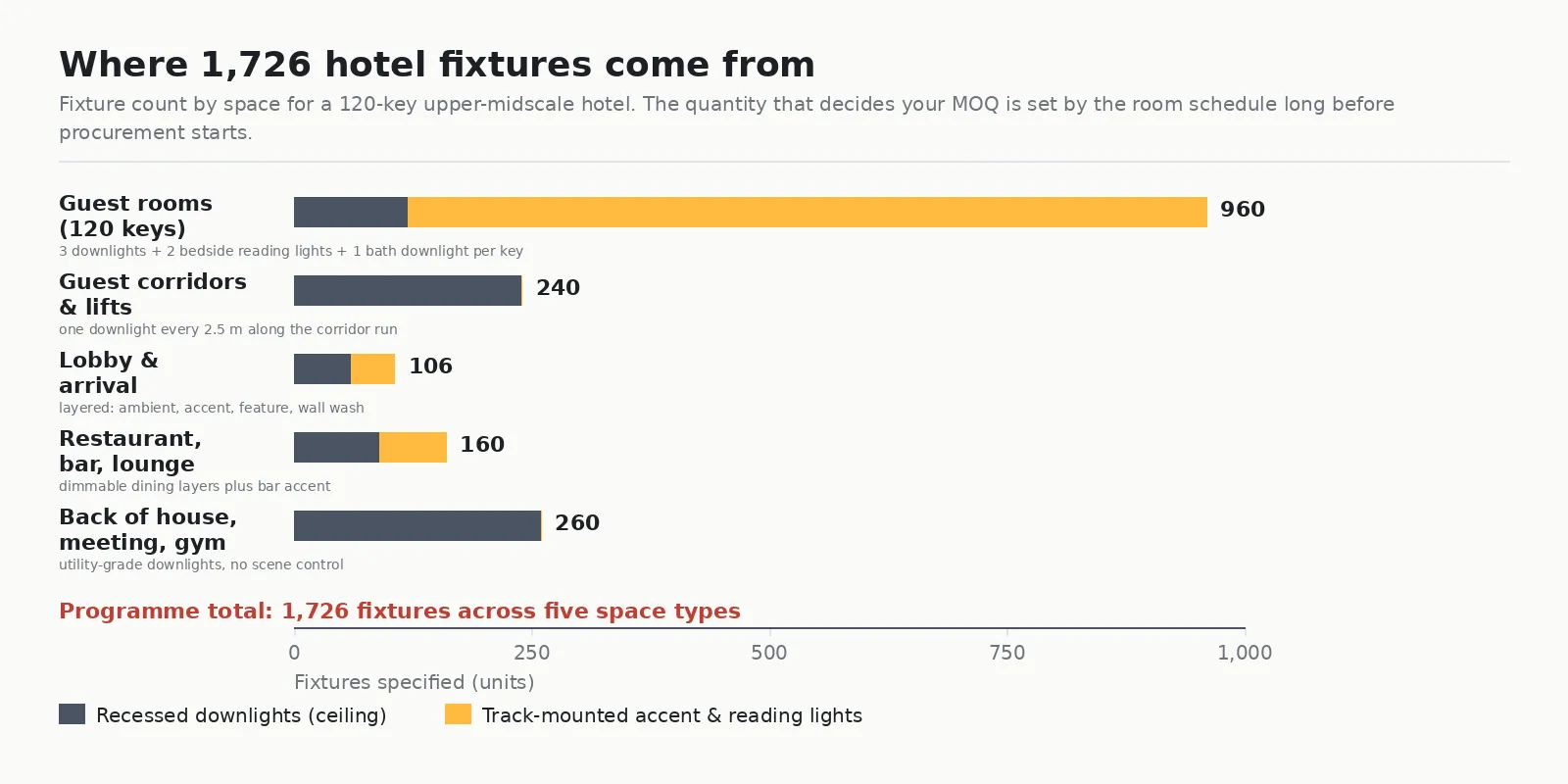
One property, five space types, roughly 1,700 fixtures. The order quantity was decided by the room schedule, not by purchasing.
Two things fall out of that table immediately.
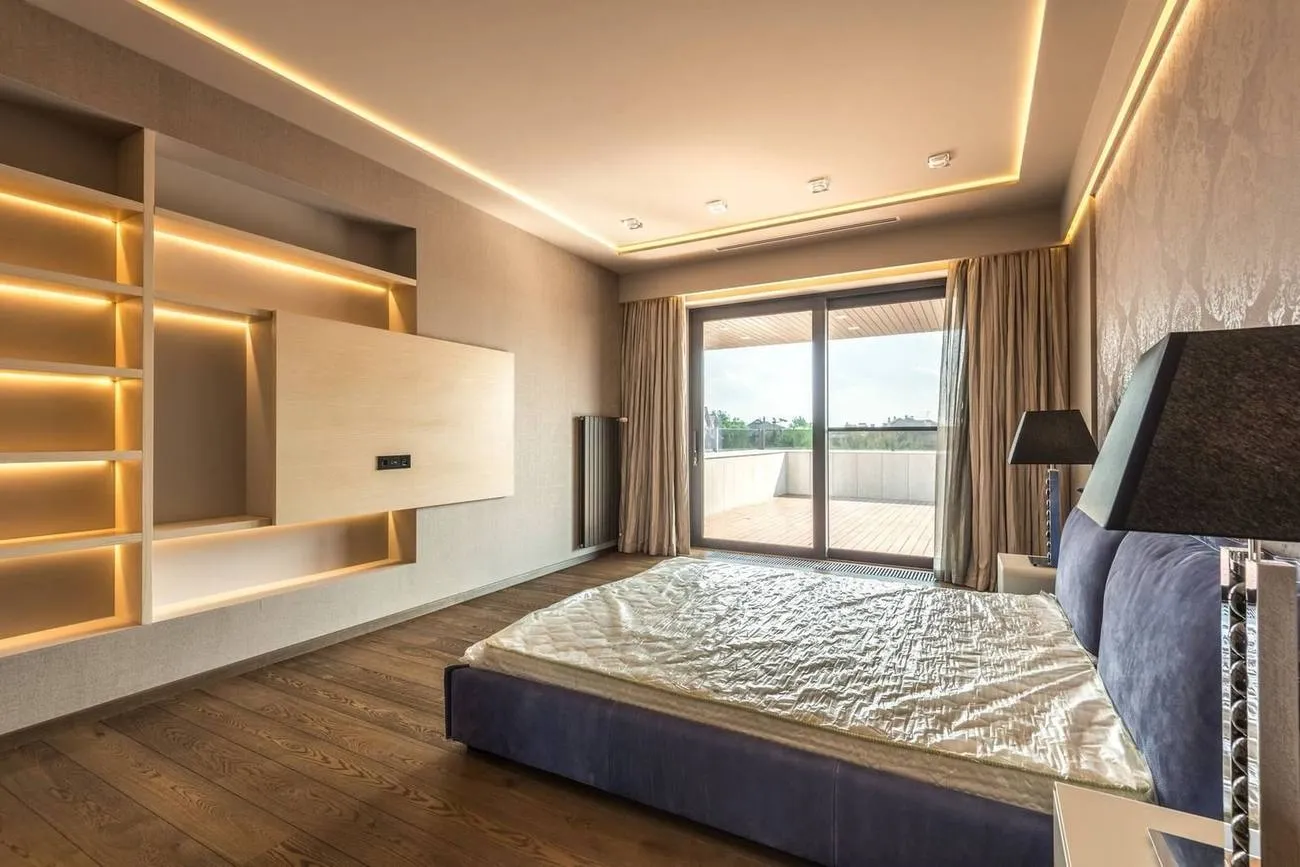
The bulk of the volume is in the guest rooms, and it is the least custom part of the project. Bedside reading lights, bathroom downlights and corridor downlights are specified in hundreds. They are also the fixtures where a brand standard has already fixed the look. Nobody is tooling anything for them.
The interesting customization lives in the smallest counts. The lobby chandelier, the feature wall wash, the bar accent — that is maybe 5% of the fixture count and most of the design intent. It is exactly where a bespoke MOQ can bite.
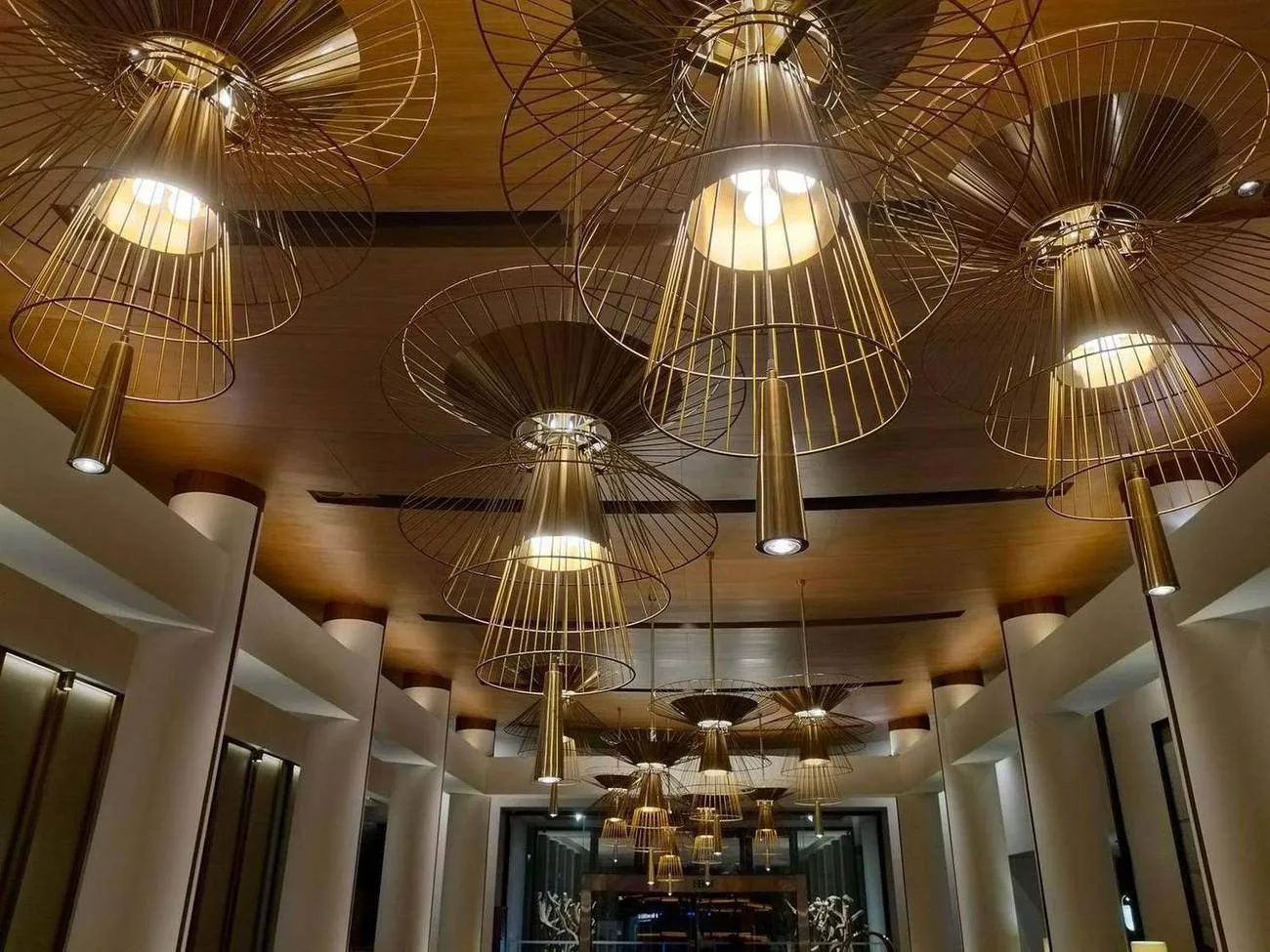
Design intent concentrates in the lobby. Design volume lives in the guest rooms. They behave very differently at the quotation stage.
Why the MOQ Question Barely Applies to a Hotel
Here is the same five-tier ladder every custom lighting programme uses, with a hotel programme drawn as a single vertical line.
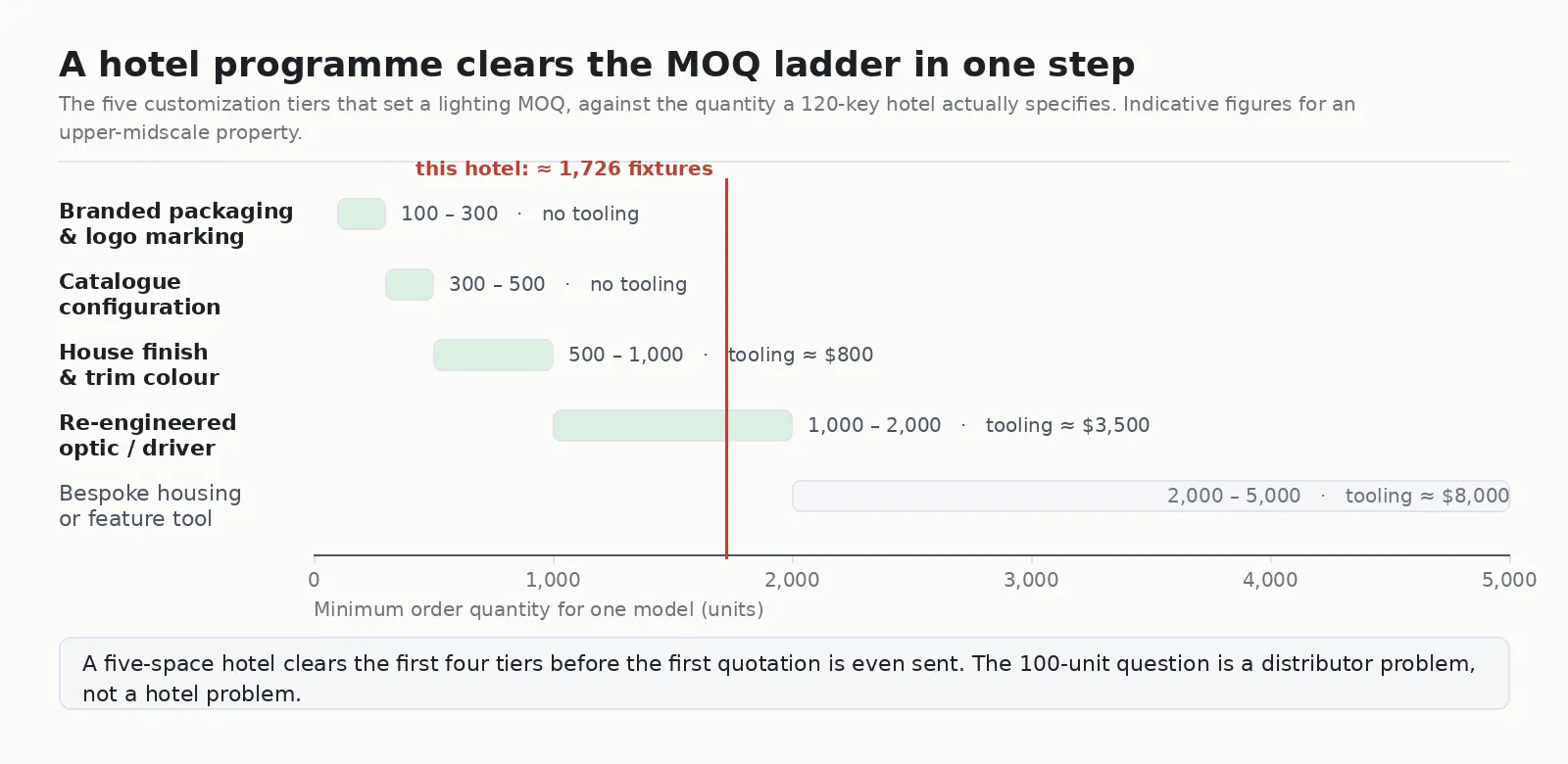
1,726 fixtures clears the first four tiers before anyone asks. Only bespoke feature tooling sits above the programme — and only if you choose it.
That is the structural reason hospitality MOQ conversations go differently from distributor MOQ conversations. A distributor agonises over whether to order 200 or 400 pieces of one SKU. A hotel is ordering 200 pieces of one SKU for the corridor alone, and then five more SKUs on the same purchase order.
There is a real advantage inside that. Consolidating the corridor downlight, the guest room downlight and the back-of-house downlight onto one platform with different trims can turn three separate 250-unit orders into one 700-unit order. Same fixture count, one changeover, one material purchase, one tooling decision. On a hotel job that consolidation is worth more than any negotiation on unit price.
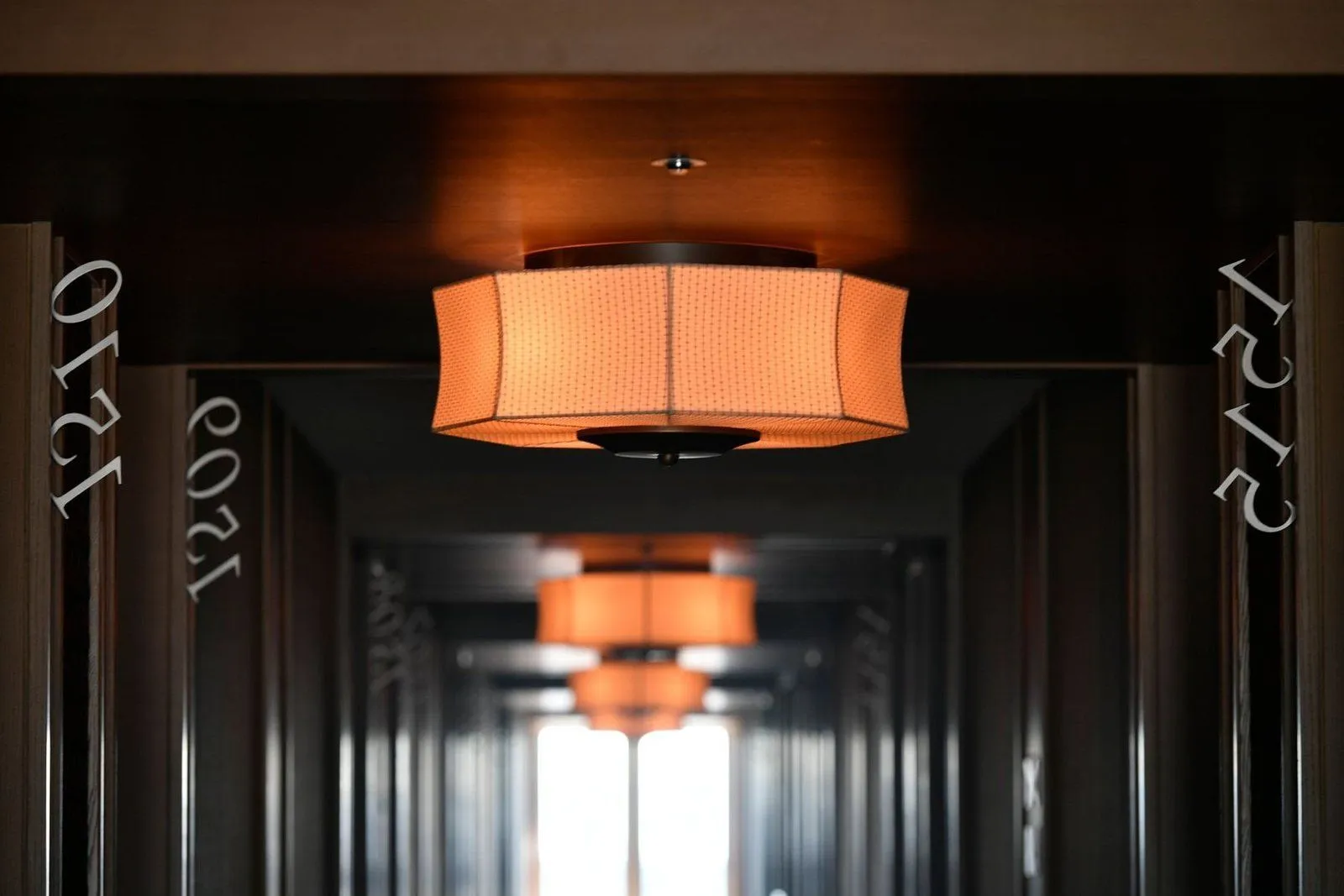
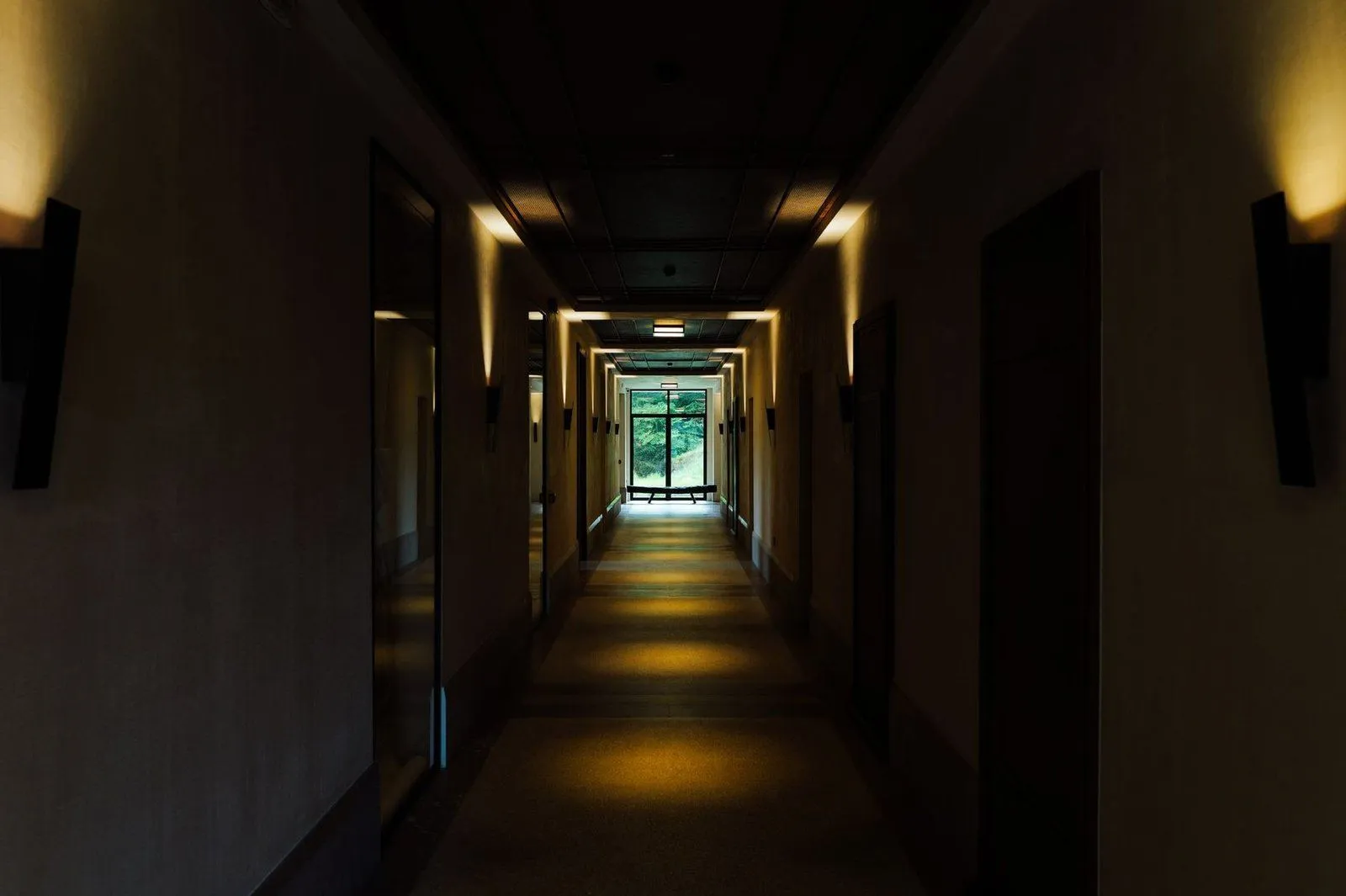
A corridor tells the factory its own quantity: one downlight every 2.5 m, all the way down. There is nothing to negotiate.
The Hidden MOQs That Actually Stop Hotel Projects
This is where hospitality diverges from every other MOQ guide you will read, and it is worth slowing down for.
The fixture MOQ is rarely the blocker on a hotel job. The blockers are the upstream minimums attached to whatever has to be bought in specially to make the fixture look like the design. Four of them show up again and again.
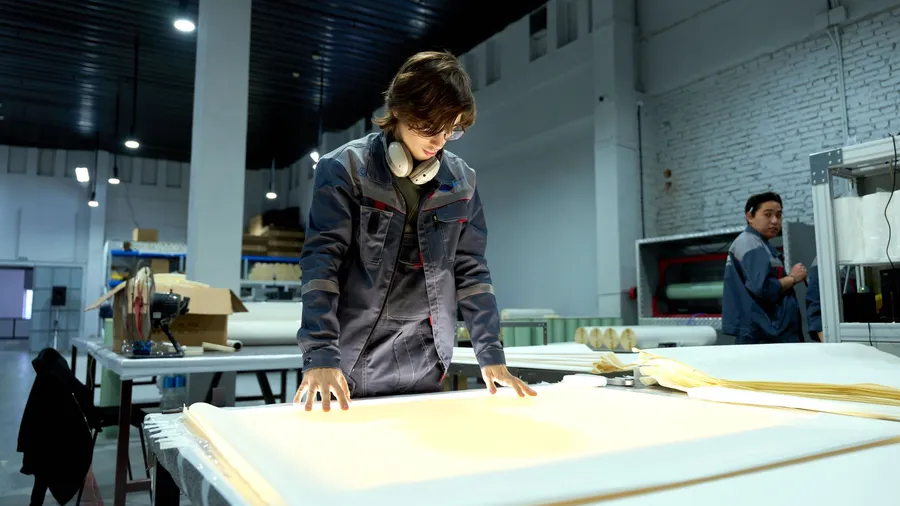
Fabric, leather and upholstery. If the guest room has an upholstered headboard or a fabric-wrapped pendant, the mill sells by the roll, not by the metre. A dye lot minimum can be 50–100 metres even when the project needs twelve. The leftovers become a line item nobody budgeted for.
Metal finishing and anodising. A powder-coat line charges a minimum batch; an anodising line charges for a full rack. A “small” order of 40 bespoke trim rings in a custom bronze can carry the same set-up charge as 400 in the standard black.
Custom tooling for feature luminaires. The lobby chandelier is the one fixture where the design genuinely may need a new die or a new extrusion. That is where a 2,000–5,000-unit MOQ appears — for a fixture the project only needs 40 of. The usual resolution is that the tooling is amortised into the project price rather than absorbed by volume, which is a negotiation, not a discount.
Brand-standard packaging and printed collateral. Hotel groups frequently require brand-printed cartons, room signage and installation manuals. Print runs have their own minimums, and a group brand book may not accept a plain carton with a label.
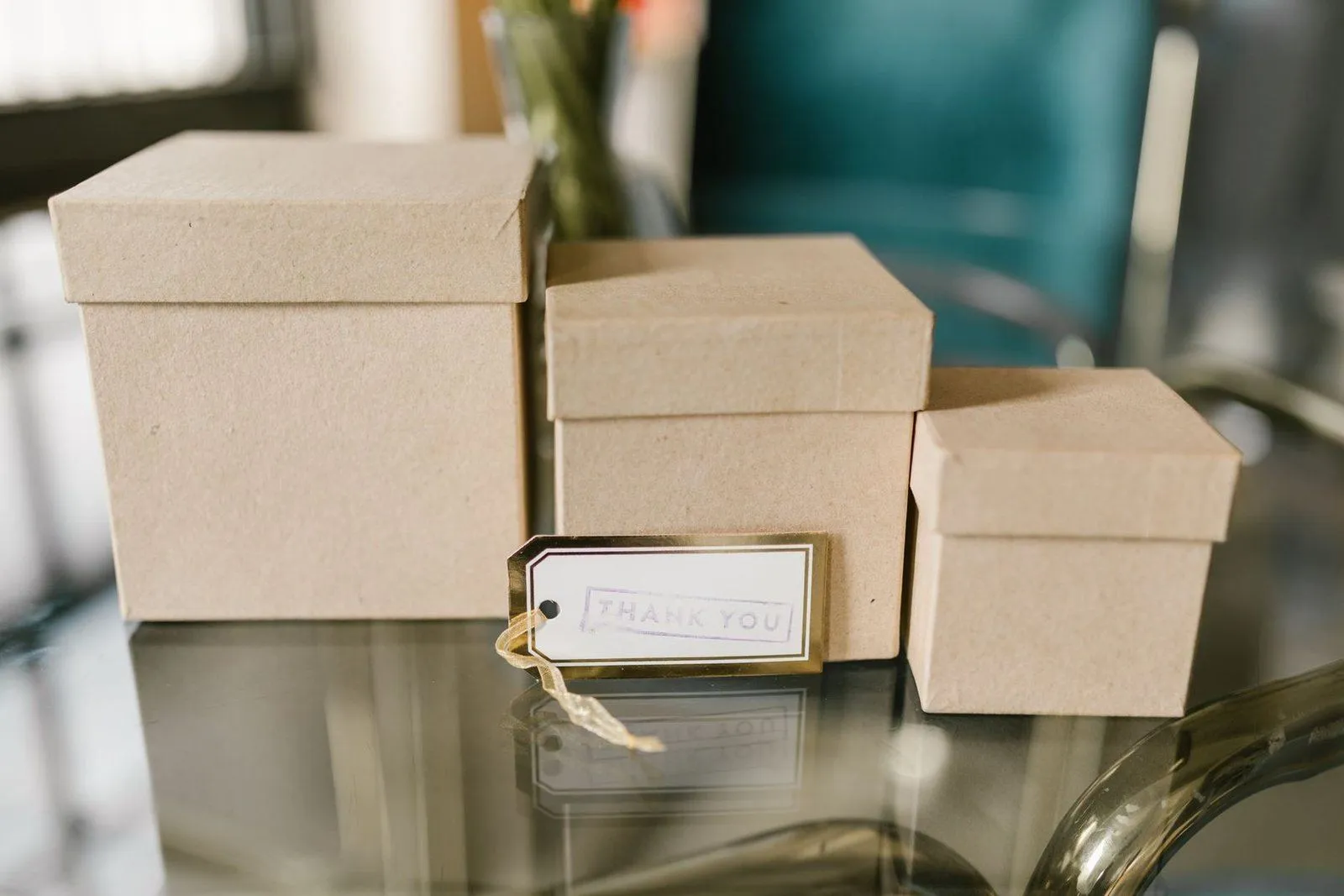
The fixture MOQ is one line on a hotel purchase order. Cartons, print and finishes carry minimums of their own.
The practical consequence: when you ask a supplier for a hotel MOQ breakdown, a single headline number is useless. Ask for the minimum per component — housing, finish, driver, carton — because that is where the real constraints sit.
What the MOQ Actually Costs You
If the volume clears the ladder, the only question left is what the tooling and engineering cost you per fixture. The arithmetic is simple, and on a hotel programme it is forgiving.
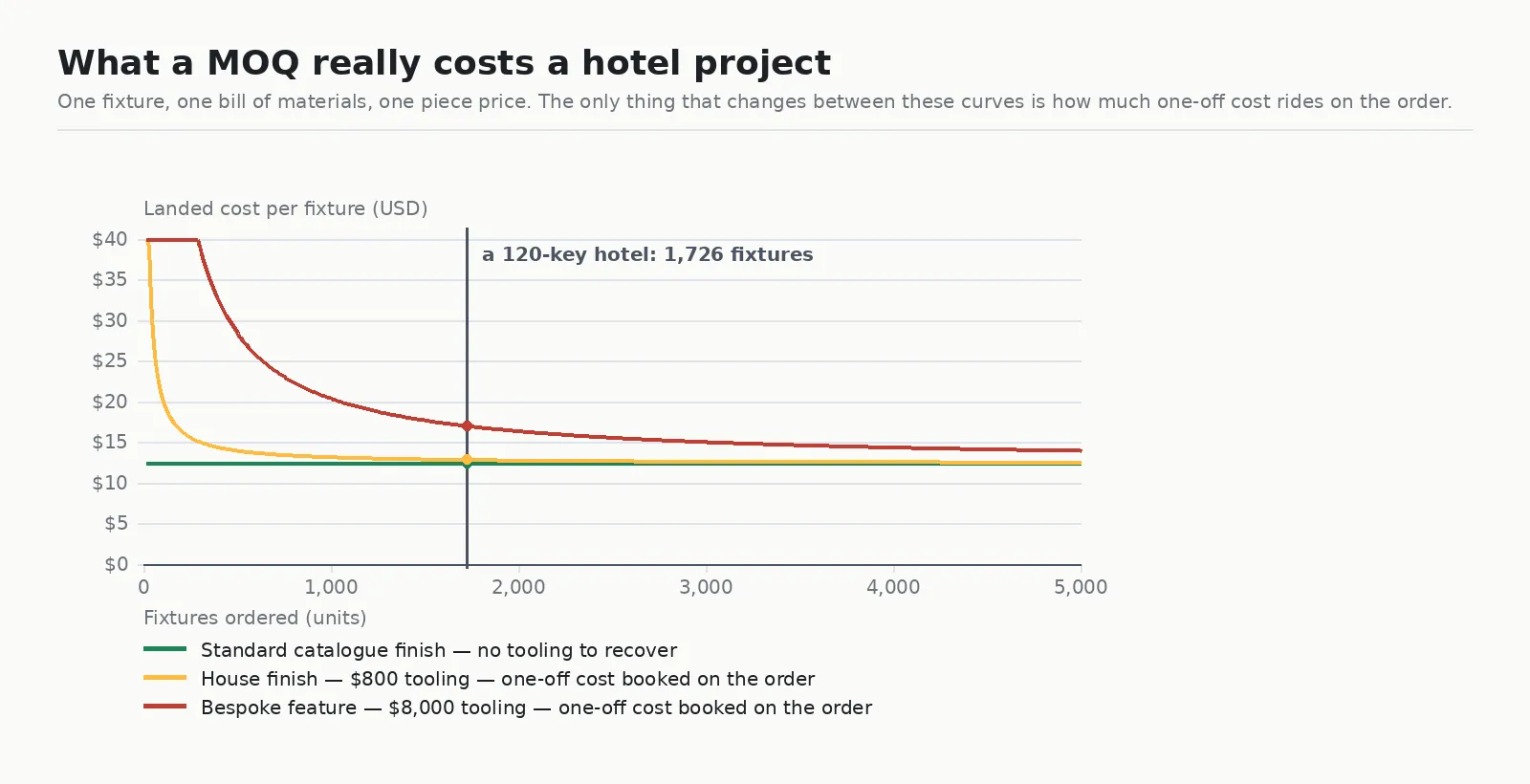
By the time a hotel programme reaches volume, tooling is no longer a barrier — it is a small line item. The decision is design, not economics.
Three curves, one bill of materials, one piece price. Bespoke tooling adds $8,000 once, and at 1,726 fixtures that is about $4.60 per fixture. On a programme that will carry a five-year brand-standard life, that is not the number a project should be arguing about.
The real financial risk on hotel lighting sits somewhere else, and it is worth naming because it dwarfs the tooling charge: finish and colour consistency across sub-batches. If the powder coater produces the lobby trims in three separate runs, the difference between them will be visible in a space guests walk through every day. That is why the third tier in the ladder is not about tooling cost but about booking a single finish run — which is precisely what a cosmetic MOQ protects.
Lead Time and MOQ Move Together
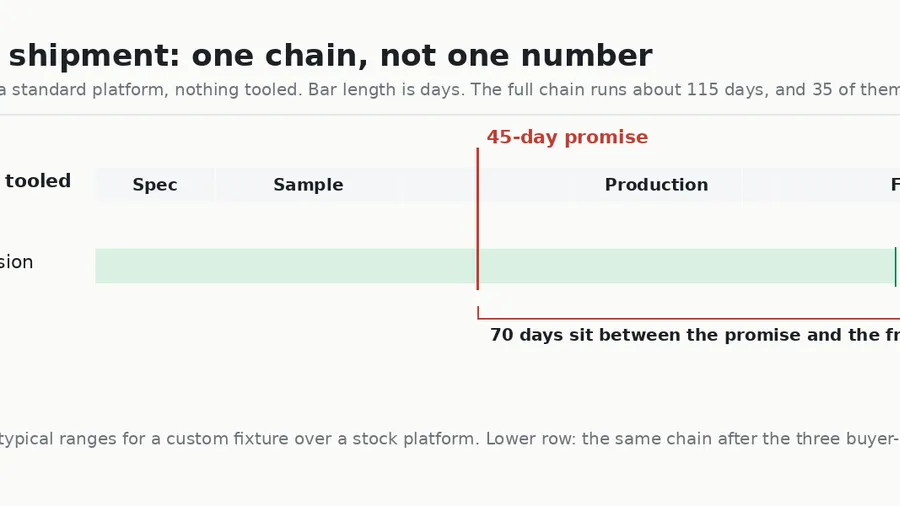
MOQ and lead time share a cause: the same one-off work that sets a minimum also sets the clock. On a hotel programme, the dates that matter are the ones the contractor cannot move.
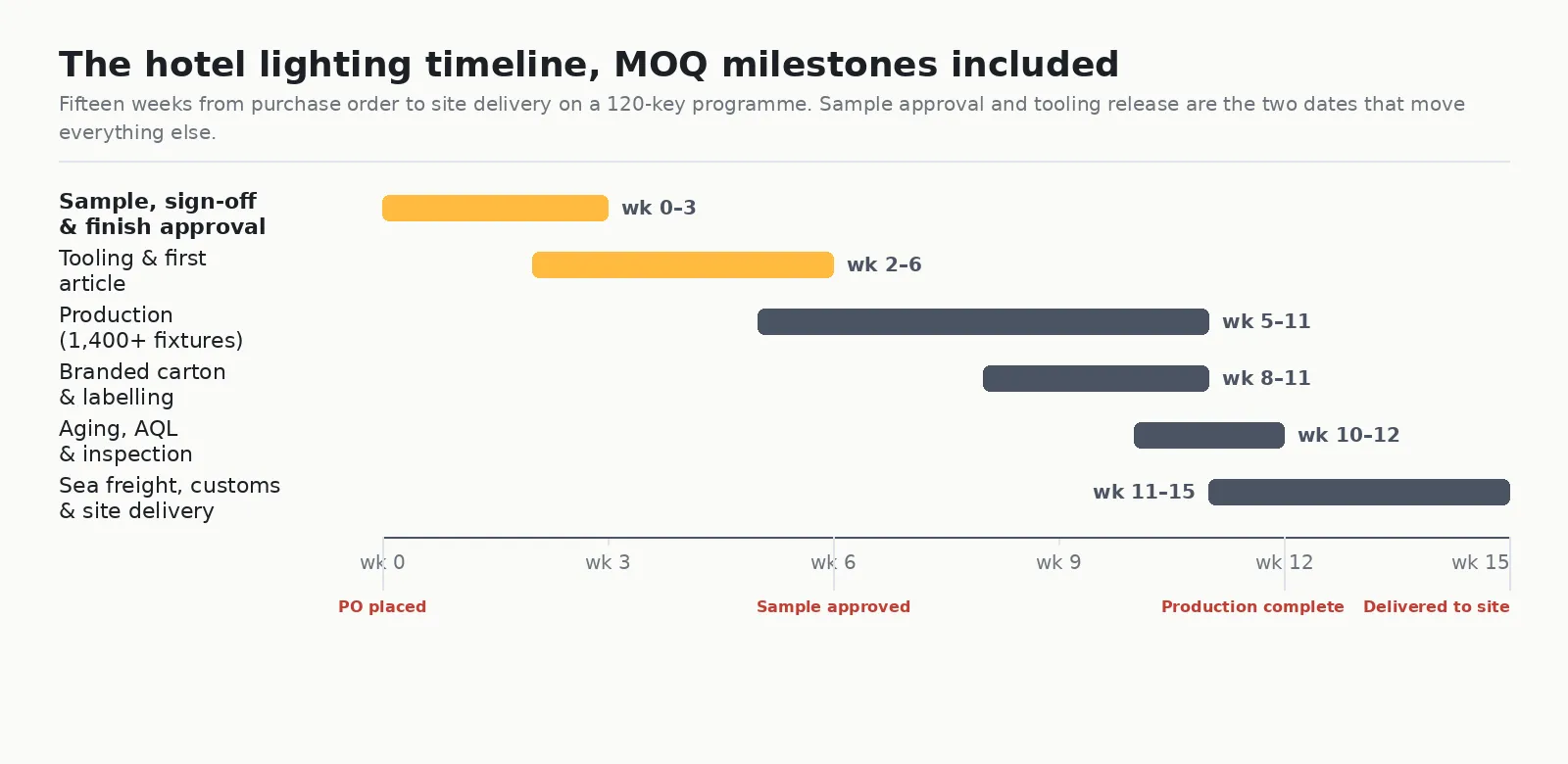
Fifteen weeks from purchase order to site, and most of those phases overlap. Sample approval in week 3 and production starting in week 5 is what the schedule actually looks like.
| What you are ordering | Typical MOQ | Realistic lead time from PO |
|---|---|---|
| Branded packaging, catalogue configuration | 100–300 units | 3–5 weeks |
| House finish or trim colour | 500–1,000 units | 5–8 weeks, plus a finish sample |
| Re-engineered optic or driver | 1,000–2,000 units | 7–11 weeks |
| Bespoke feature luminaire | 2,000–5,000 units | 10–16 weeks including tooling |
| Repeat order, same sealed first article | any | 4–6 weeks |
Four planning notes that save hotel projects:
- Sample and tooling run in parallel with production preparation, not before it. If the sample has to be approved before the factory will even book material, add weeks. Agree a provisional schedule with the sample as a milestone, not a gate.
- A finish sample round is not optional at tile-hash stage. It is a 7–15 day step that independent guides recommend as a separate stage, and it lands exactly when the FF&E schedule is tightest.
- Sea freight is 25–40 days and cannot be compressed by goodwill. Booking the cartons and the labels late does not delay production, but it does delay the container.
- The repeat order is where the schedule becomes comfortable. Once the first article is sealed and the tooling exists, a re-order of the same model routinely lands in 4–6 weeks. If a project will be phased — rooms in one phase, public areas in another — plan the phases so the second one is a repeat, not a new development.
The Hotel Procurement Checklist
Rewrite the details and send it with your first enquiry. It works because it pre-answers the questions a supplier would otherwise need three emails to ask, and because it forces the MOQ breakdown to arrive in components rather than as one number.
1. Project: 120-key upper-midscale hotel, [market]. Fit-out first phase, public areas first.
2. Scope: guest room downlight, bathroom downlight, corridor downlight, bedside reading light, lobby downlight and wall wash, bar accent pendant.
3. Quantities: ≈ 480 guest room downlights, 240 corridor downlights, 212 bathroom downlights, 240 reading lights, ≈ 106 lobby, ≈ 160 F&B, ≈ 260 back of house. Colour split and trim split attached.
4. Customization depth: branded cartons, project spec labels, logo marking. House finish from your existing range where possible. Please state separately which items require new tooling.
5. Please quote and confirm, per item:
- MOQ broken down per component — housing, finish, driver, carton
- Unit price at the project quantity, and at 50% and 200% of it
- Any tooling, engineering, certification or finish set-up charge, listed separately
- Which finish items can share a single batch run
6. Certification: [US: ETL / UL listing] or [EU: CE, EN 60598 test reports]. We would like our project SKU listed.
7. Schedule: please confirm sample lead time, tooling lead time, production lead time, carton print lead time, and the shipping window.
8. Terms: payment terms, warranty, spare parts policy, and whether you hold the sealed first article for future re-orders.
Item 5 is the one to protect. A MOQ quoted per component tells you where the real constraint is; a MOQ quoted as a single number tells you nothing. If a supplier will not break it down, that is itself information.
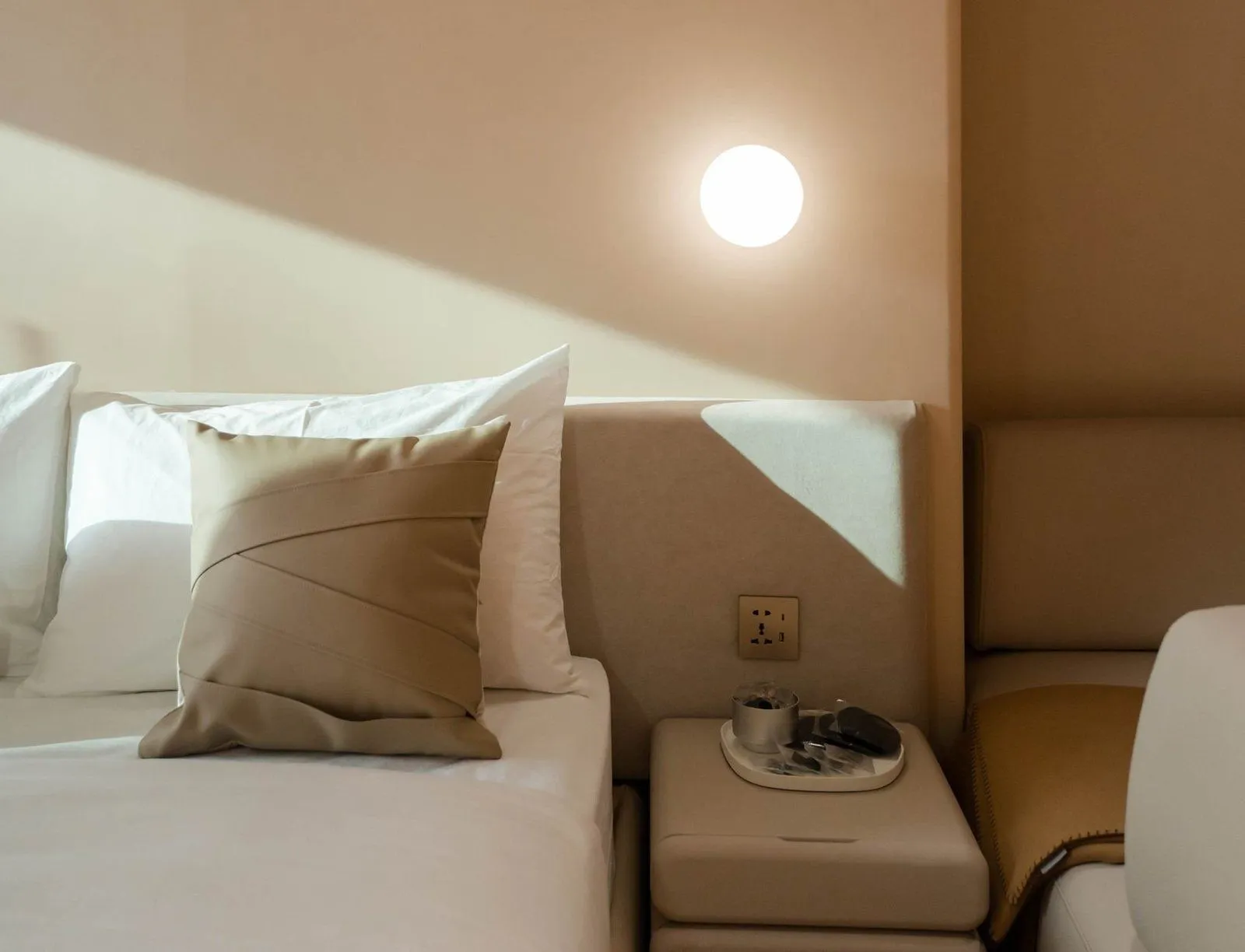
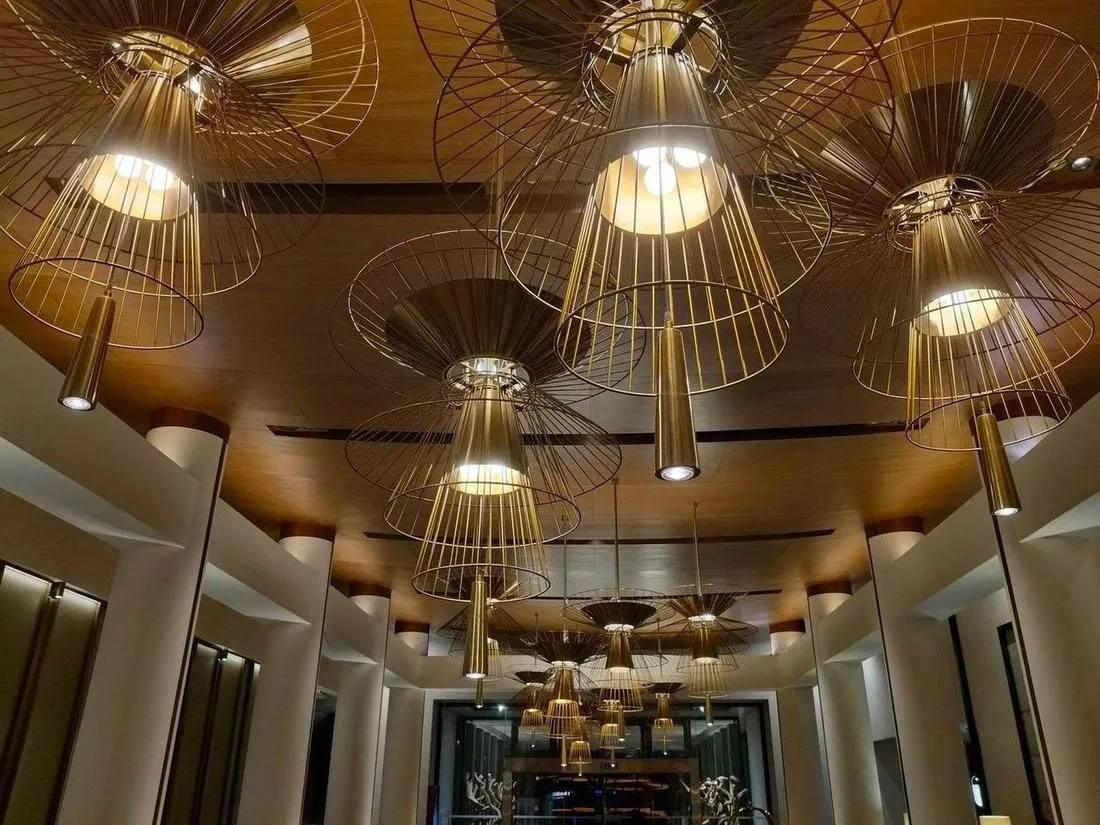
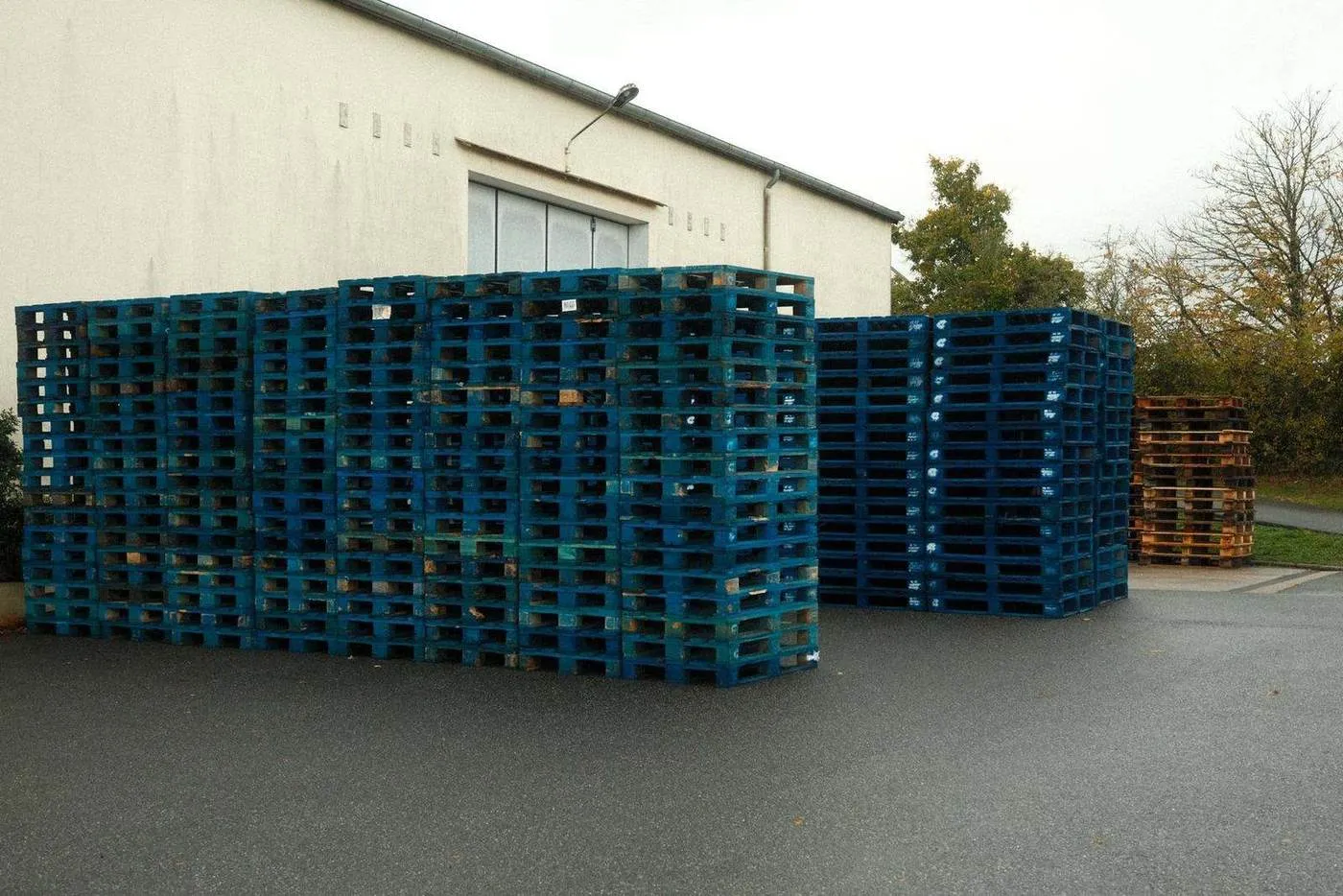
Hundreds of these per property, and almost nothing to customize: the volume that makes everything else in the package economical.

How ENCORE Handles a Hotel Package
We build LED track lighting, downlights, magnetic track systems and commercial luminaires in Shenzhen, and hotel fit-outs are a regular part of that work. What we do differently at quotation stage on a hospitality package:
- We quote the MOQ per component — housing, finish, driver, carton — so the project team can see which line is actually holding the quantity up.
- We map every item against our existing tooling and tell you plainly which items are catalogue configuration and which need a die. Most hotel packages turn out to be 90% configuration.
- We look for platform consolidation across spaces. Corridor downlight, guest room downlight and back-of-house downlight on one body with different trims is usually one order instead of three.
- We hold the sealed first article, the aging log and the inspection report on file, so a phased second phase is a repeat order rather than a new development. Our QC process for custom orders applies the same first-article approval and aging protocol to a 200-unit corridor batch as to a 2,000-unit one.
- When a finish or a carton has its own minimum, we say so and quantify it, rather than folding it into a headline MOQ.
If you have a room schedule, send it over with the fixture types and target market. We will tell you what quantity each item actually needs to reach, which items can share a production run, and where the cheapest place to standardise is. Read how a specification travels from RFQ to certified production, or see the full quality control process.
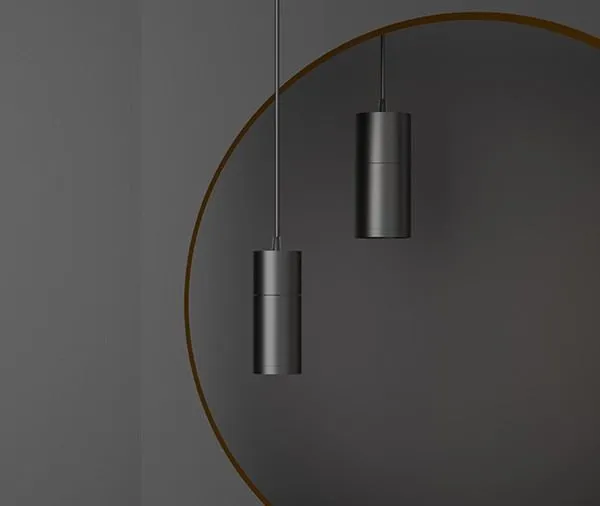
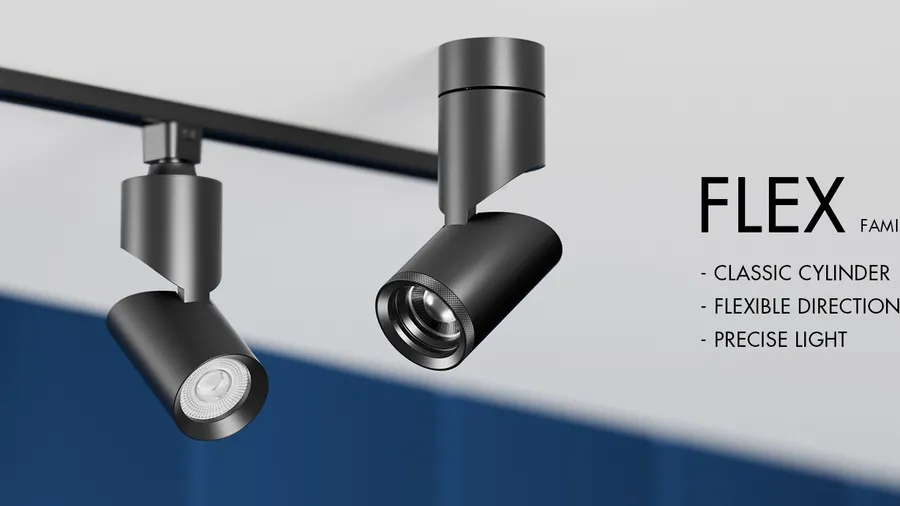
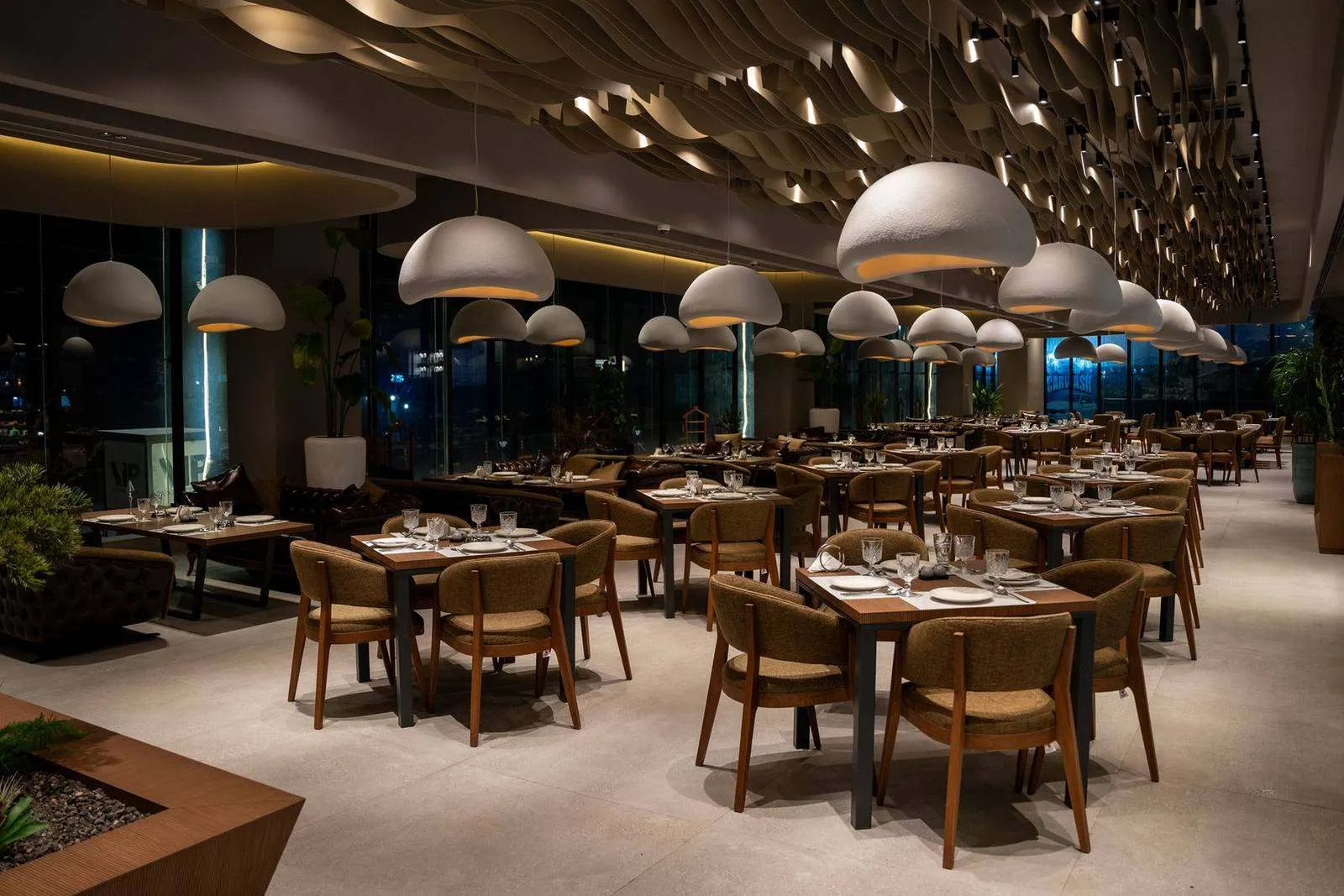
Feature pendants are the smallest count in a hotel package and the one place a bespoke MOQ is worth paying for.

Common Misconceptions
“A hotel order is too small for a custom MOQ.” The opposite is true. A single 120-key property orders roughly 1,700 fixtures. That clears four of the five customization tiers on its own. Where a hotel order genuinely struggles is a one-off decorative feature with a count in the dozens.
“If we split the order across phases, we get better pricing.” Phasing usually costs more, not less, because each phase is its own changeover, its own finish run and its own material purchase. Phase only when the cash flow or the construction programme requires it, and then insist the later phases repeat the sealed first article.
“MOQ applies to the whole purchase order.” It applies per model, and often per colour and per trim. 400 units across three trim colours is normally costed as three runs. Declare your splits at quotation stage — not after the PO — and the same request can often be absorbed into one material purchase.
“A supplier who accepts any quantity is more flexible.” Sometimes. Often it means the job is being passed to a trading company with no engineering support behind it, or that the finish will come from whichever coater has capacity that week. On a hotel project, finish consistency across sub-batches is worth more than a flexible minimum.
“Getting the MOQ down is the win.” On a hotel job the win is getting the specification standardised so that volume lands on fewer platforms. That is a specification decision, and it is worth more than a discount.
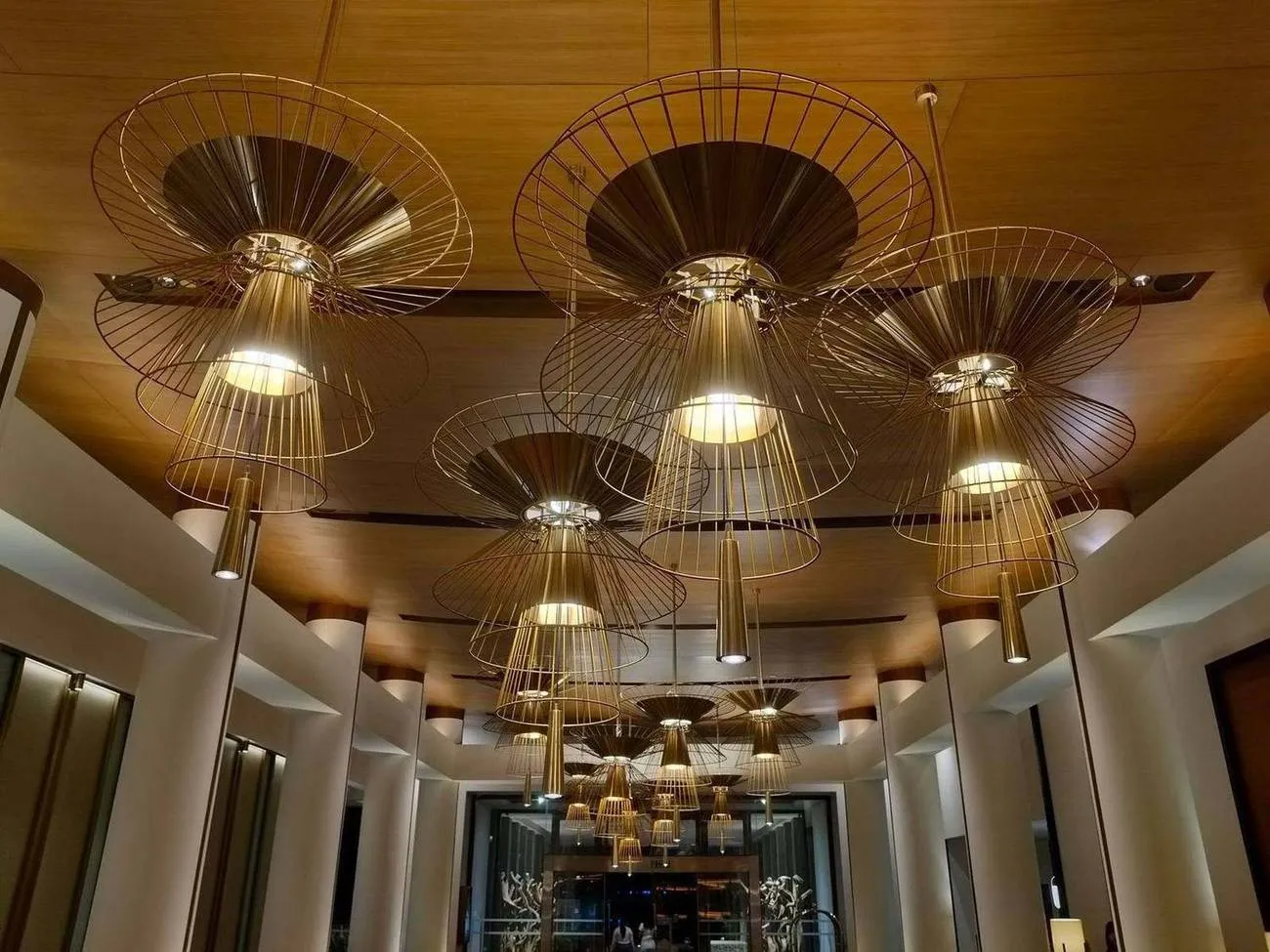
The count that decides a hotel lighting MOQ is nearly always the feature element with the smallest quantity — not the standard fixture with the largest.
FAQ
What is a realistic MOQ for hotel lighting? For catalogue configuration with your own packaging and logo marking, 100–300 units per model. For a house finish or a custom trim on an existing housing, 500–1,000 units. For a re-engineered optic or a matched driver, 1,000–2,000 units. For a bespoke housing or a decorative feature tooled for the project, 2,000–5,000 units. It is worth knowing that independent procurement guides converge on similar bands, and that 100–300 units for standard catalogue fixtures and 300–500 for fully custom items is a widely quoted industry range.
How many fixtures does a hotel need? A 120-key upper-midscale hotel needs roughly 1,700 fixtures across all spaces: around 960 in the guest rooms, 240 in the corridors and lift lobbies, about 106 in the lobby, 160 in food and beverage, and 260 across back of house, meeting rooms and the gym. Larger or more layered properties run considerably higher, and public-area-heavy resorts can double the lobby and F&B counts.
Is MOQ calculated per hotel or per fixture model? Per fixture model, and typically per colour and finish as well. A 400-unit purchase order split across three trim colours is normally planned and costed as three production runs. Declare the splits before you ask for a price, so the supplier can quote on a per-batch basis.
Why does a hotel order still fail to meet an MOQ? Because the constraint is usually not the fixture. Fabric and upholstery mill minimums, powder-coating and anodising batch minimums, custom tooling for a feature luminaire, and brand-standard printed cartons all carry minimums of their own. Ask for the MOQ breakdown per component rather than one headline number.
How long does custom hotel lighting take from sample to delivery? Around 15 weeks from purchase order to site delivery on a 120-key programme: 3 weeks for sample sign-off, tooling released in week 2–6, production from week 5–11, cartoning week 8–11, inspection week 10–12, and sea freight from week 11. Supplier-side guides quote roughly 9–14 weeks door to door for bespoke hospitality lighting, with sea freight alone accounting for 25–40 days.
Can a hotel get a custom feature luminaire without a 2,000-unit order? Yes, but not by asking for a lower minimum. The tooling is amortised into the project price instead of being absorbed by volume. That is a legitimate and common arrangement for lobby and bar feature fixtures — ask for the tooling charge to be quoted separately and explicitly.
What should a hotel buyer ask for in an MOQ quotation? The minimum per component (housing, finish, driver, carton), unit price at the project quantity plus 50% and 200% of it, all tooling and set-up charges listed separately, which finish items can share a single batch run, and a dated schedule with the sample, tooling, production, carton print and shipping milestones.
Conclusion
Back to the three answers at the start: 50, 300, and “it depends”. All three were about the fixtures.
On a hotel project, the fixture count is decided by the room schedule, and a single midscale property clears four of the five customization tiers without trying. So the MOQ conversation that actually protects your project is not “how few fixtures can I order”. It is three different questions:
- Which items in the package are catalogue configuration, and which need a die? Usually 90% of a hotel package is the first kind.
- Which spaces can share one platform so the volume lands on fewer runs? This is where a hotel team saves real money.
- Which finish, fabric or carton minimum is quietly holding the schedule up? This is where projects actually slip.
Get those three answers in writing before the purchase order, and the minimum order quantity stops being a gate and becomes what it always was on a hotel job: a line in the specification.
Send us your room schedule, fixture types and target market, and we will tell you the quantity each item actually needs, which items can share a production run, and where the cheapest place to standardise is. Request a hotel lighting quotation →
Read next: MOQ Demystified: What “100 Units” Really Means in Lighting for the mechanics behind any minimum order, or Custom LED Track Lighting: What You Can Customize + MOQ & Lead Time for the full menu of changes at each level.
- hotel lighting moq
- hotel lighting minimum order quantities explained
- custom lighting moq hotel project
- hospitality lighting procurement
- hotel lighting manufacturer
- guestroom lighting specification
- contract lighting moq
- hotel lighting lead time

ENCORE Lighting Team · ENCORE
LED Lighting Manufacturer & OEM/ODM Partner
The ENCORE engineering and sourcing team writes about LED track lighting, downlights, magnetic systems, certifications and OEM/ODM manufacturing for B2B buyers and specifiers.