· Sourcing & Quality · 18 min read

Written by ENCORE Lighting Team
LED Lighting Manufacturer & OEM/ODM Partner ·
Sourcing a Decorative Lighting ODM Factory: Red Flags to Avoid
How to source a decorative lighting ODM factory without getting burned: the eight red flags that show up on a quotation, the four gates a custom order has to pass, how to read a good sample against a bad one, and the questions that separate a real factory from a trading desk.


Decorative lighting is the part of the catalogue where buyers stop behaving rationally. A track head is a spec sheet. A pendant, a chandelier, a hand-finished brass sconce — those are a design decision, and design decisions are where people trust the wrong supplier.
That is exactly the gap a bad ODM factory sells into. It does not win on capability. It wins on a beautiful sample, a fast reply, and a price that quietly assumes you will never open the fixture to look inside.
This guide is about the part that happens before the purchase order: how to read a decorative lighting ODM factory for the eight red flags that surface on a quotation, the four gates a custom order has to pass, and how to hold two samples side by side and see which one is lying to you.
If you only take one idea from this page, take this: in decorative lighting, you are not buying a product, you are buying the ability to repeat a look. Everything below is a test of whether that ability exists.
What “Decorative Lighting ODM” Actually Means
Before the flags, the definition — because most sourcing mistakes start with a word being used loosely.
OEM means you bring the design and the factory builds it under your brand. ODM means the factory already owns a design (or a design platform) and adapts it to your brand, finish, size and market. We walked through the full distinction in ODM vs OEM in LED lighting, but for decorative work the practical difference is this:
- An OEM decorative order is an engineering order. You own the drawing, the tooling, the risk.
- An ODM decorative order is a curation order. You are choosing a design that already exists and asking a factory to make it in your finish, your drop length, your canopy, under your brand.
That makes ODM decorative sourcing a strange hybrid: you need the factory to be creative enough to adapt a design, and disciplined enough not to improvise during production. Most failures live in the gap between those two things.
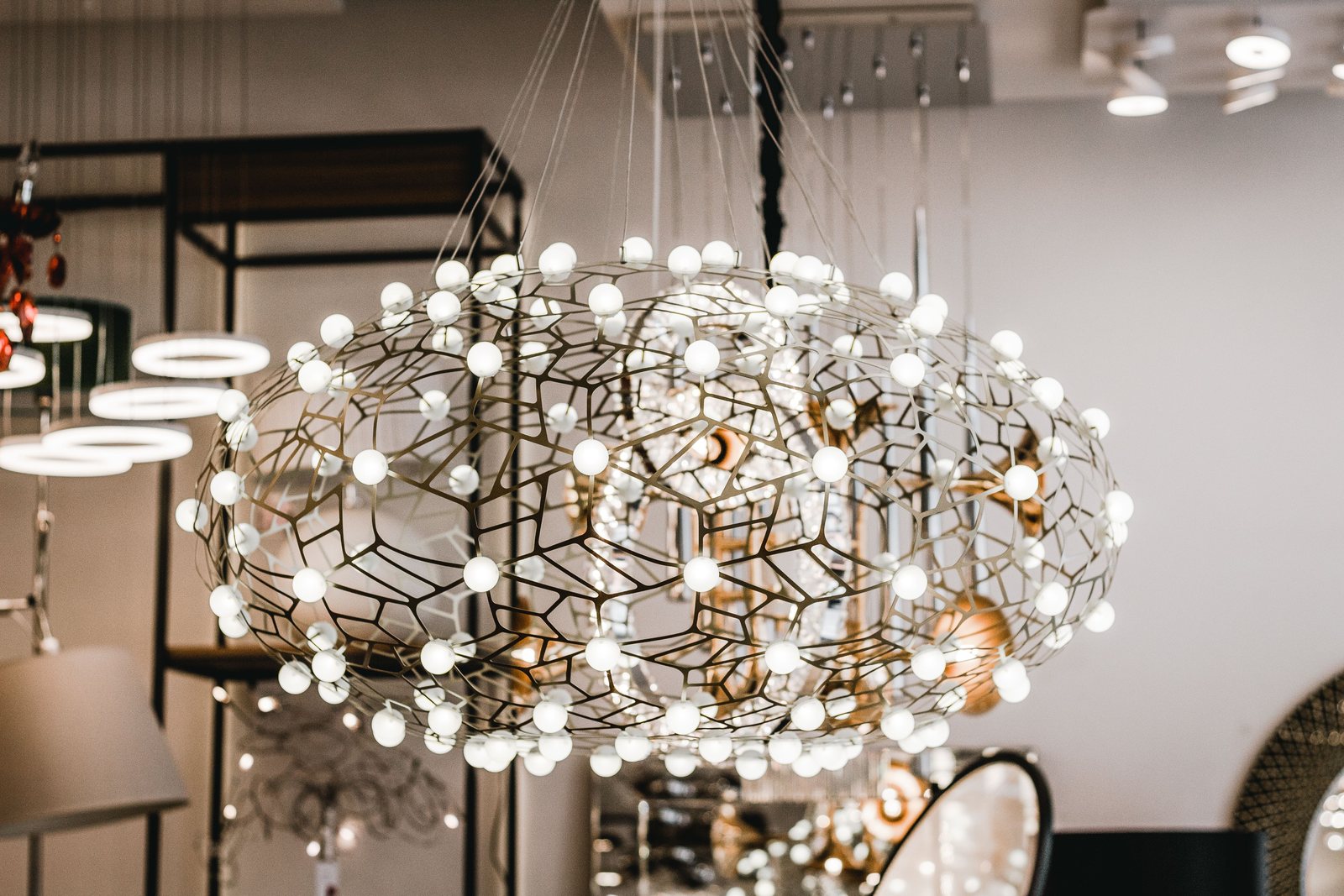
A decorative fixture is a design statement first and an electrical product second — which is why the sourcing process has to protect the look as carefully as it protects the wiring.
The Four Gates a Decorative ODM Order Has to Pass
A decorative ODM order is not one approval, it is four. Each gate produces one document. If a supplier cannot name the document, the gate is not being run — it is being talked about.
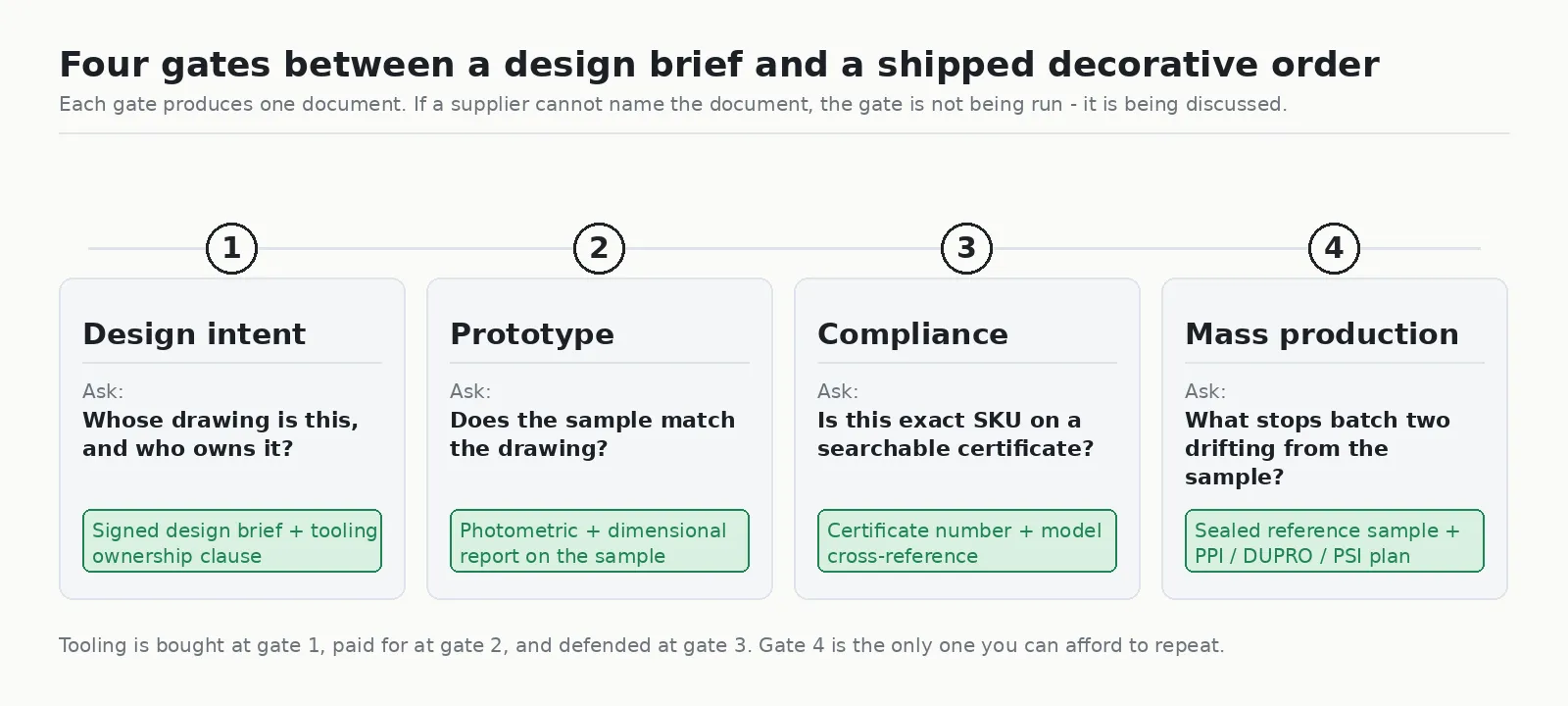
Gate 1 — Design intent. Who owns the drawing, and what happens to the tooling if you leave? For an ODM adaptation, the base design may be the factory’s, but your modifications — a custom canopy, a new finish, a different cable, an engraved detail — should be documented and owned. The document is a signed design brief with a tooling-ownership clause.
Gate 2 — Prototype. Does the physical sample match the drawing, on paper? Decorative work is where “looks about right” becomes a problem, because a 3 mm difference in a canopy diameter is invisible in a photo and obvious on a ceiling. The document is a photometric and dimensional report on the sample, not a set of phone pictures.
Gate 3 — Compliance. Is this exact SKU covered by a searchable certificate? This is where decorative factories fail most often, because custom finishes and custom sizes push a model outside the range that was originally tested. The document is a certificate control number plus a model cross-reference list — the same routine we set out in the LED factory inspection guide.
Gate 4 — Mass production. What stops batch two drifting from the sealed sample? Decorative pieces are usually assembled by hand, and hand assembly drifts. The document is a sealed reference sample plus a written inspection plan (PPI / DUPRO / PSI).
Most of the red flags below are really the same failure in different clothing: a supplier who wants to skip a gate. The quotation looks cheap because a document was never produced.
The Eight Red Flags on a Decorative Lighting ODM Quotation
Here is the checklist we would hand a buyer before they reply to any decorative ODM offer. Read the middle column — if you have seen those exact words, you have seen this checklist.
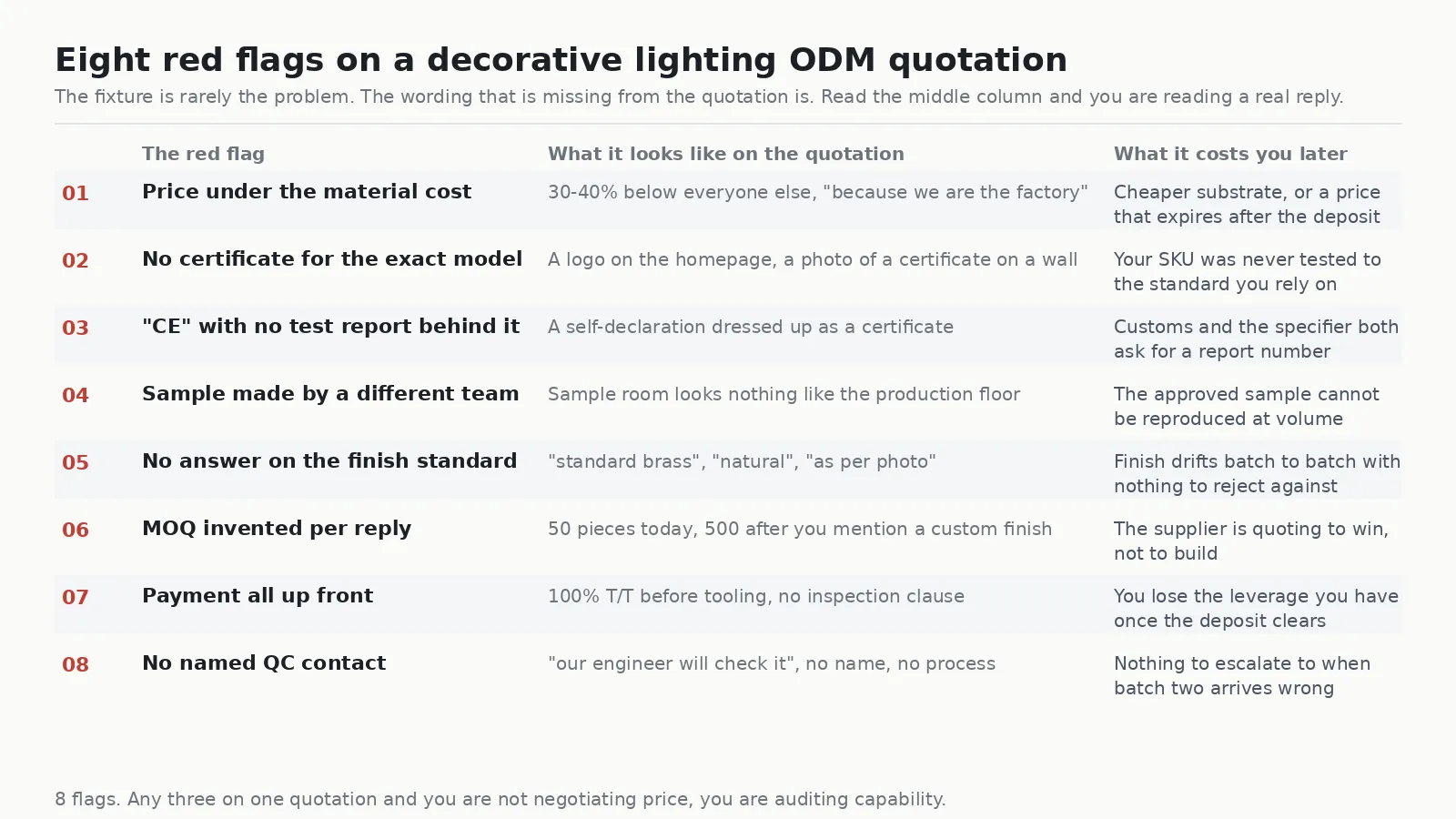
Let us put the two most expensive ones under a microscope, because they are the ones buyers rationalise away.
Red flag #1: the price sits below the material cost
Decorative lighting is material-heavy. A brass pendant is mostly brass; a hand-finished piece is mostly labour hours. Unlike a driver or an LED, you cannot hide cost in a cheaper component — the visible material is the product.
So when a quotation comes in 30–40% under every other factory, one of three things is true, and none of them are good:
- The substrate is not what was named — “brass” that is plated zinc, “marble” that is resin, “solid oak” that is veneer.
- The finish is thin — plating measured in microns that will wear through at the handle points within a year.
- The price is an opening number that expires the moment you mention tooling.
A useful discipline: ask for a material declaration by weight or by spec before you discuss price at all. A factory that can tell you the alloy and the plating thickness is a factory that knows its own bill of materials. A factory that answers “standard brass” has just told you something.
Red flag #3: “CE” with nothing behind it
This is the single most common compliance fiction in decorative lighting. A decorative fixture sold into Europe needs to satisfy the Low Voltage Directive and the EMC Directive; the “CE certificate” you are shown is often a self-declaration with no test report, no standard edition, and no lab behind it.
It is not a lie, exactly — self-declaration is legal for some routes. But it is not evidence, and it will not survive a customs query or a specifier’s review. Ask for the report number and the standard, and check it. We covered the whole verification routine — and how it differs from ENEC — in CE vs ENEC: the two truths about selling LED in Europe, and the North American equivalent in our ETL certification guide.
The test is not “do you have a certificate?” It is “what is the certificate number, which standard edition, and which of my SKUs does it cover?” A supplier who can answer that in one message is running gate 3. One who cannot is running a slideshow.
How to Compare a Good Sample Against a Bad One
The sample is where you can still win. After the PO, the sample becomes an argument; before it, the sample is evidence. Photograph both units on the same bench, under the same light, and work down this list.
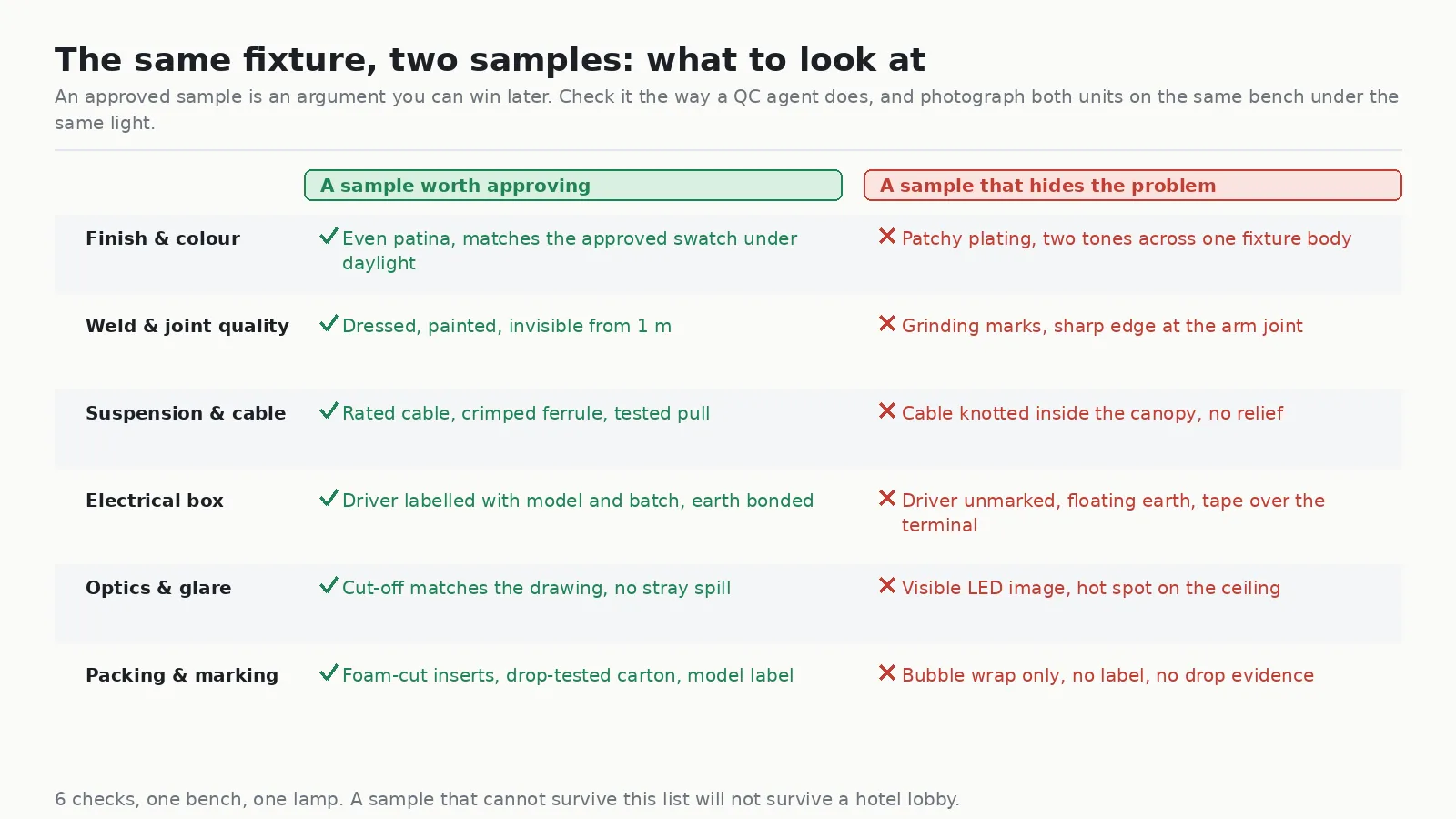
Six checks, in the order that catches the most money:
Finish and colour. Look at both units in daylight and under the intended CCT, not under the showroom’s highlight. A patina that matches in a photograph can be two tones in person. If a factory cannot tell you the plating thickness or the paint system, the finish is not under control.
Weld and joint quality. Decorative pieces have more joints than a downlight, and joints are where hand assembly shows. Grinding marks, a slightly proud seam, a sharp edge at the arm — each is minor on its own, all three together mean nobody is checking.
Suspension and cable. This carries the fixture’s weight over a lobby for a decade. Ask for the rated load of the cable, the strain relief method, and a pull test. A cable knotted inside the canopy is the classic decorative shortcut.
The electrical box. Open it. On a decorative fixture the driver is often hidden in a canopy, and hidden is where shortcuts live: an unmarked driver, a floating earth, tape over a terminal. This is the check that most often turns a beautiful sample into a rejected one.
Optics and glare. For a pendant or a wall sconce, “glare” is not a technicality — it is the whole design intent. A visible LED image or a hot spot on the ceiling means the diffuser was chosen by eye, not by measurement. If your project depends on a UGR or a CRI target, write it into the sample requirement.
Packing and marking. Decorative fixtures break in transit, and the breakage is usually a packing decision. Foam-cut inserts and a drop-tested carton are cheap; a chandelier that arrives in bubble wrap is a claim waiting to happen. See the finished-goods stage for how this is supposed to be documented.

Two samples, one bench, one light source. The comparison is only meaningful if both units are judged under the same conditions.
How to Inspect the Factory Behind the Sample
The sample tells you what a factory can do. The plant tells you what it does every day. And the two are frequently different, which is why we separate the factory audit from a product inspection in the first place.

An on-site walkthrough answers a different question than a sample does: not “can you make this?” but “do you make this every day?”
For decorative work, walk the line in this order and ask what each station records:
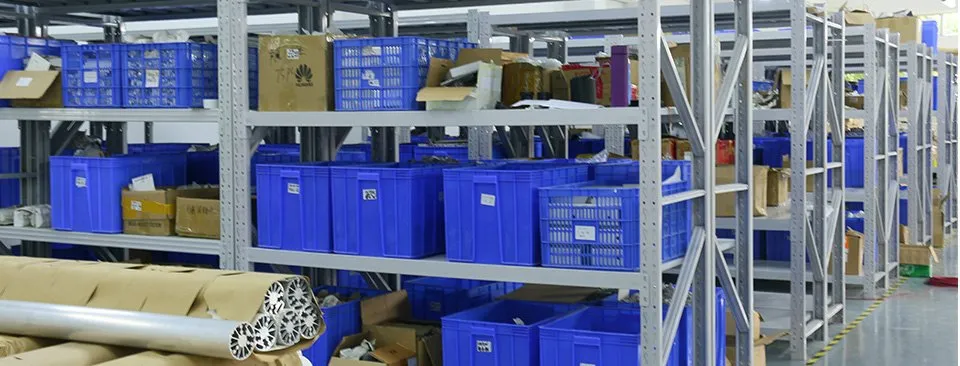
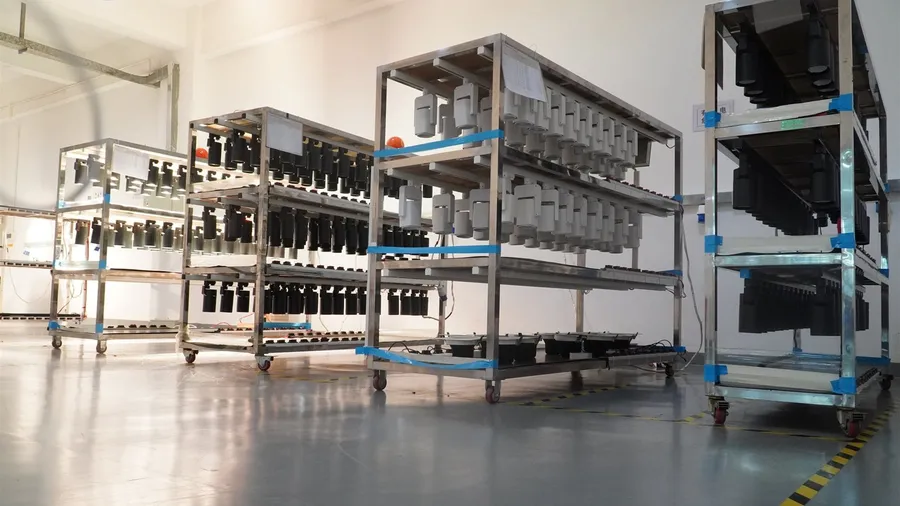
Gate inspection starts at the incoming store, not the showroom. If parts are not binned and labelled by batch here, no downstream traceability claim is real.
- Incoming material — is the brass, glass or wood incoming-checked against a spec, and is there a record?
- Metal work — who does the polishing, plating and painting: in-house, or three different sub-contractors you will never see?
- Assembly — is it the same team that built the sample, or a separate line?
- Electrical test — is there a hi-pot / earth-continuity station, with per-unit records?
- Aging — do the finished units run on a burn-in rack, and for how long?
- Packing — drop-tested carton design, or whatever box was available?
Two questions reveal more than the whole tour:
“Which station records the plating thickness on my parts?”
“Show me the aging log for last week’s decorative batch.”
A factory that can produce both is running gates 2 and 4. A factory that cannot is hoping you will only ever look at the sample.

Decorative ODM is decided in the finish. If the finish is not specified and measured, it is not a specification — it is a hope.
What to Ask a Decorative Lighting ODM Supplier
If you want a short script, this is it. Send these in one message and read the shape of the reply, not just the content.
- “For this finish, what is the substrate, the plating or coating system, and the thickness?” — tests whether the factory owns its BOM.
- “What is the certificate number and model list for this exact SKU?” — tests gate 3 directly.
- “Who builds the sample, and is it the same team that builds production?” — tests gate 2 against gate 4.
- “What is the MOQ for this finish, and what changes it?” — tests whether the MOQ is real.
- “How many hours do you age the batch, and can I see last week’s log?” — tests whether reliability is a process or a promise.
- “What happens if batch two does not match the sealed sample?” — tests the only clause that matters after the deposit.
A supplier who answers three of these with documents and three with process is real. A supplier who answers all six with enthusiasm and no numbers is a trading desk with a good photographer.
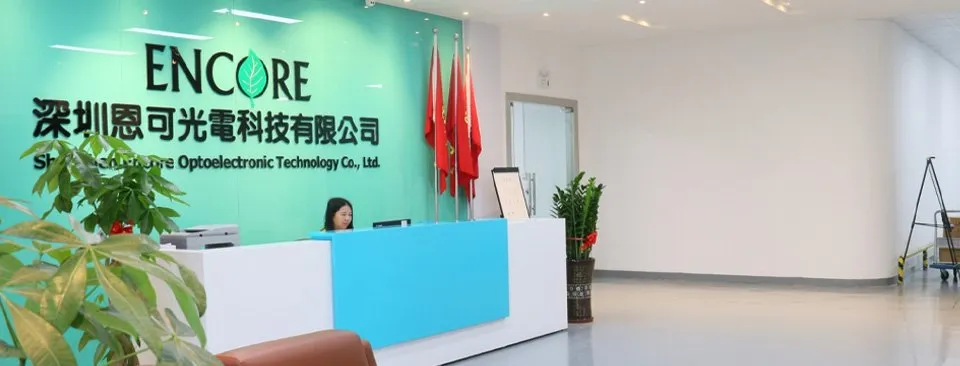
Ask for the address on the business licence and compare it. A real factory will happily show you the door you are walking through; a trading desk usually has a virtual office and a PO box.
For the wider sequence around this conversation — before the RFQ and after the inspection — the six-step OEM LED lighting sourcing checklist is the companion piece. And if the goods will carry your own brand mark, the private label lighting manufacturer guide covers the branding and compliance layer.
Decorative Lighting ODM at ENCORE
We describe our own process not as a sales pitch but so you have a reference standard to hold any factory to — including us.
In-house metal and finish work. We control the polishing, plating and painting steps that decide whether a decorative piece looks the same in batch twelve as it did in the sample. The finish system is documented, not improvised per order.

The team behind the paper trail: our Shenzhen engineering and sourcing office. The documents in this guide are produced by people you can name, not by a slide deck.
Prototype before tooling. A decorative adaptation starts as a dimensional and photometric check against the brief, so gate 2 is a report rather than an opinion.
Compliance per model. Our certifications page publishes ETL, CE (LVD + EMC), SAA and ISO 9001 documentation with model cross-reference tables, so you can run the same check on us that we recommend in the factory inspection guide.
Aging on every batch. Finished decorative units run on burn-in racks with logged duration and failure rate before packing — documented in our quality control process.
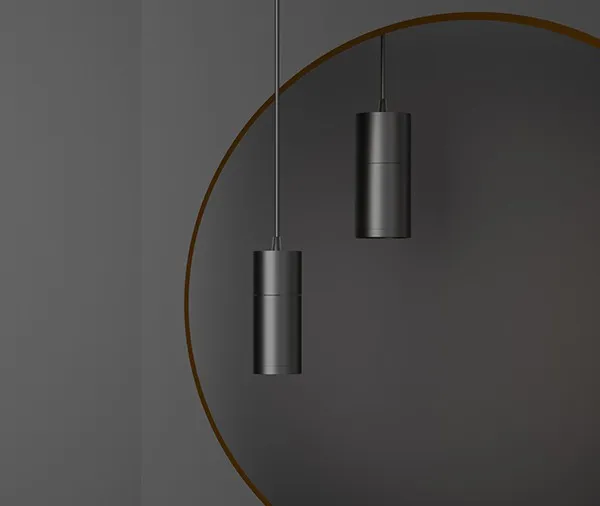
An ENCORE decorative pendant family in three finishes. The finish system — not just the shape — is what has to repeat across batches.

By the time the goods are stacked, the arguments are over. Everything in this guide exists to make that the end of the risk, not the start of it.
We build track lighting, downlights, magnetic track systems and commercial luminaires in Shenzhen, and we run decorative ODM adaptations — pendants, sconces and custom-finish pieces — through the same gates described above. Compare our product platforms, read the OEM/ODM service page, or send us a design and we will tell you which parts we can adapt as-is and which need new tooling.
Request a decorative ODM quote or sample →
Frequently Asked Questions
What is an ODM decorative lighting factory? An ODM decorative lighting factory owns a range of decorative designs — pendants, chandeliers, sconces, wall lights — and adapts them to your brand, finish, size and market, rather than building a design you brought. You are curating an existing design platform and specifying how it is delivered, which is different from OEM, where you own the drawing and the tooling from the start.
What is the difference between an ODM decorative lighting supplier and a manufacturer? A manufacturer owns the production capability: the metal shop, the finishing line, the assembly and the test stations. A supplier may simply own the relationship — a trading company that places your order with someone else’s factory. Ask who physically performs the plating, the assembly and the aging test; if the answer crosses three company names, you are dealing with a supplier, not a manufacturer.
How do I spot a fake CE certificate on decorative lighting? Ask for the certificate number and the standard edition, then check the issuing route. A genuine test-backed CE route points to a report with a lab, a standard (EN 60598-1 for luminaires) and a model list. If what you receive is a self-declaration with a logo and no report number, treat it as a claim, not as evidence, and see our CE vs ENEC guide for the full check.
Why is decorative lighting ODM so much harder to control than track lighting? Because more of the product is decided by hand. A track head is machining and electronics, both of which are measurable. A decorative piece is polishing, plating, patina and assembly — all of which drift unless the finish is specified numerically and the sealed sample is held. That is why the finish standard and the sealed reference sample matter more in decorative work than in any other category.
Is a low price on a decorative ODM quotation always a red flag? A low price is not itself a problem; a low price with no explanation of the material is. Decorative lighting is material-heavy, so a price far below the market usually means a substituted substrate, a thin finish, or a number designed to be renegotiated after the deposit. Ask for the material declaration first, and let the price conversation follow the spec instead of replacing it.
How many samples should I order before committing to a decorative ODM order? At least two units, and ideally from two production runs. One sample proves a factory can make a piece; a second sample from a later run proves it can make it again, which is the actual thing you are buying. Photograph both on the same bench under the same light and compare them against the six checks above.
Can I get my own finish or custom size without new tooling? Often yes, and that is the appeal of ODM: an existing design platform can frequently take a new finish, a different cable or drop length, a new canopy, or a resized diameter without new tooling. Larger dimension changes, a new profile, or a new light-engine arrangement usually do cross into tooling — which is exactly the question to settle at gate 1, in writing, before anything is paid for.
Conclusion
Decorative lighting ODM fails quietly. Nobody sends you a letter saying the plating is too thin or the certificate does not cover your SKU. The fixture simply looks slightly wrong on the ceiling in year two — and by then the sample conversation is long over.
So do the work in the order this page sets out. Read the quotation for the eight flags. Insist that all four gates produce a document. Compare two samples on the same bench under the same light. Then ask the three questions that settle it:
“What is the substrate and plating thickness on this finish? What certificate number and standard covers this exact SKU, and which models does it list? And how many hours do you age this batch — show me last week’s log.”
The answers tell you more than a factory tour and a lunch ever will.
Read next: LED Factory Inspection Guide: What a Buyer Should Check Before PO for the audit and inspection routine behind gate 3 — or ODM vs OEM in LED Lighting if you are still deciding which model you actually need.
- odm decorative lighting factory
- odm decorative lighting supplier
- decorative lighting odm company
- decorative lighting manufacturer
- custom decorative lighting
- decorative lighting factory china
- odm lighting supplier
- decorative pendant lighting manufacturer

ENCORE Lighting Team · ENCORE
LED Lighting Manufacturer & OEM/ODM Partner
The ENCORE engineering and sourcing team writes about LED track lighting, downlights, magnetic systems, certifications and OEM/ODM manufacturing for B2B buyers and specifiers.