· Custom & OEM Lighting · 14 min read

Written by ENCORE Lighting Team
LED Lighting Manufacturer & OEM/ODM Partner ·
Private Label Lighting Manufacturer: Complete Guide
Private label lighting manufacturer complete guide: what private label means, OEM vs ODM vs white label, what you can customize, the 6-step process, MOQ, lead times, and how to vet a factory.
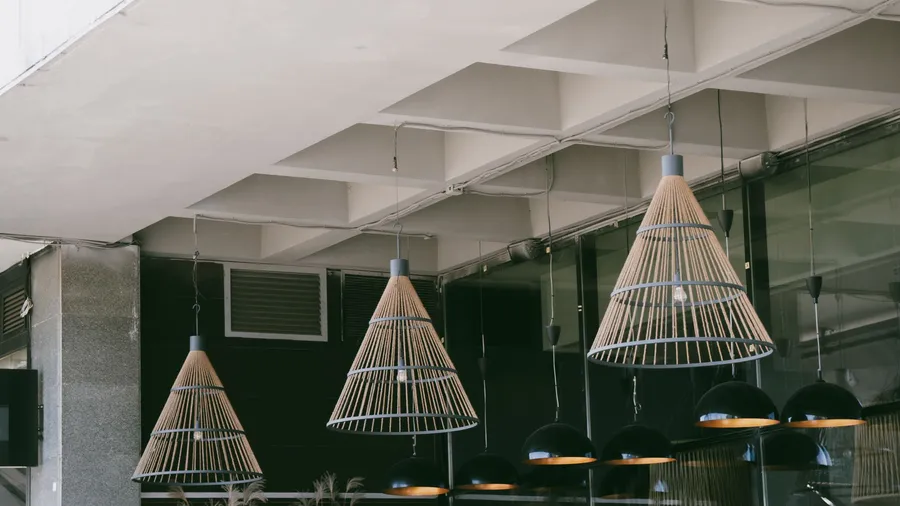
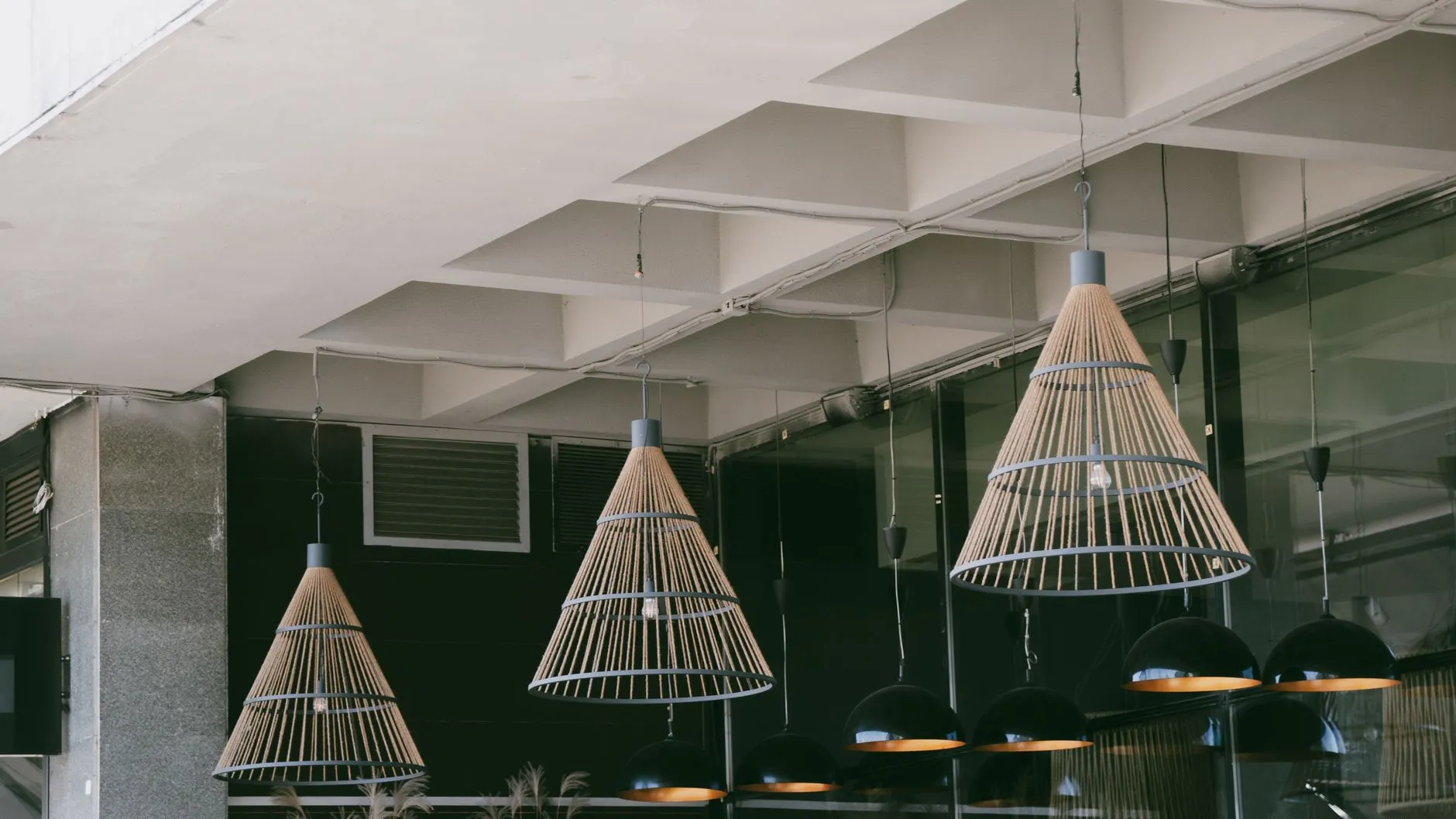
If you want to sell lighting under your own brand — a showroom, a retail chain, an e-commerce store, a hotel spec house — you do not need to build a factory. You need a private label lighting manufacturer: a certified factory that builds well-engineered fixtures for you, then puts your name on the housing, the packaging, and the invoice. You own the brand and the market; the manufacturer owns the tooling, the production line, and the compliance.
This is the complete guide to private label lighting manufacturing: what “private label” actually means and how it differs from OEM and ODM, the full menu of what you can customize, the step-by-step sourcing process from brief to shipment, realistic MOQ and lead times, the certifications that protect your brand on day one, and a vetting checklist that separates a real factory from a trading desk.
If you are still deciding which sourcing model fits your project, our OEM vs ODM LED lighting guide is the fast comparison; this guide goes deeper on the private label route — the lowest-risk way to launch a branded lighting line.
What Is a Private Label Lighting Manufacturer?
A private label lighting manufacturer produces lighting products that another company sells under its own brand. The manufacturer does the engineering, manufacturing, quality control, and certification. The buyer brings the brand name, the packaging design, and the go-to-market.
The phrase is used loosely, so it helps to pin down the four sourcing models that get mixed up:
| Model | Who designs | Who owns tooling | Your brand on it | Best for |
|---|---|---|---|---|
| Private label | Factory (standard) | Factory | Yes | Resellers launching a brand at minimum cost |
| White label | Factory (standard) | Factory | Neutral/unbranded | Same product sold under many brands |
| ODM | Factory (modified) | Factory | Yes | Brands that want a proven design adapted fast |
| OEM | You (your spec) | You / shared | Yes | Brands with their own IP, drawings, and specs |
The line between them blurs in practice. Most “private label lighting” requests are really private label with a few meaningful customizations — your logo on a certified product, plus your choice of finish, CCT, CRI, beam angle, wattage, dimming, and packaging. That is exactly what this guide covers, and it is the cheapest way to own a differentiated product without paying for full tooling.
For the full breakdown of who owns the design and the tooling in each model, our custom LED lighting manufacturer guide compares all four side by side.
Why Go Private Label Instead of Building In-House?
The private label route exists because launching a lighting product line in-house is expensive and slow. A brand-new track light or downlight means molds, dies, thermal engineering, optics, driver qualification, and market-specific certification — easily 6–12 months and a six-figure budget before your first unit sells.
Private label compresses that to weeks, not months, and removes most of the fixed cost:
- No tooling cost — you start from the factory’s proven, already-certified designs.
- Faster time-to-market — 4–8 weeks from sign-off to first shipment for standard product.
- Proven reliability — the design has already been field-tested; the factory has the test reports.
- Low MOQ to test the market — a small first run validates demand before you commit to volume.
- Certifications that travel with the product — ETL, CE, SAA test reports can be named to your SKU.
The trade-off is that you are not inventing a product — you are choosing from strong existing platforms and making them yours. For most brands, that is the right risk/reward. If you need a truly bespoke product engineered to your own drawings, that is the OEM route — see our OEM LED track lighting guide for the full 6-step process.

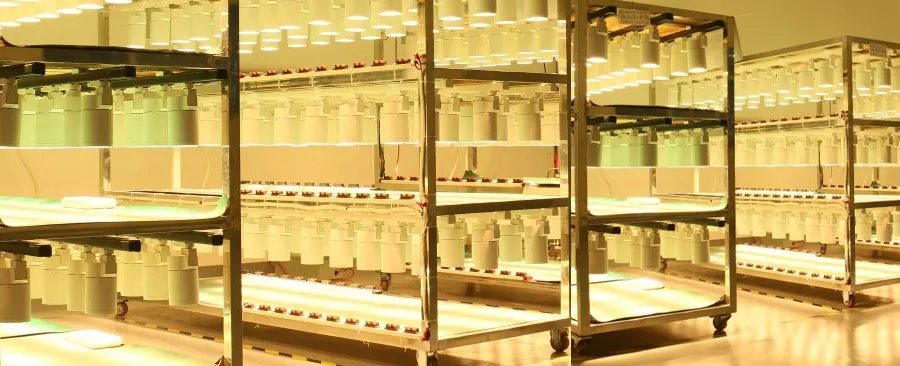
Real finishing and QC at the factory — what you are buying into with private label is the production line, not a showroom.
What Can You Customize on Private Label Lighting?
This is where private label lighting earns its margin. A real manufacturer customizes the light and the brand, not just the label. Here is the full menu, from the parts that cost almost nothing to the options that change the product.
Branding & packaging (品牌与包装)
The lowest-cost, highest-impact customization:
- Logo placement — laser engraving, silk screen, pad printing, or brand-color finishing on the housing.
- Retail-ready packaging — your box, your EAN/UPC barcode, spec stickers, foam inserts.
- User manual & labels — multilingual manuals, wiring diagrams, certification marks for your market.
- Carton & outer packaging — custom corrugated cartons, retail display-ready options.
Housing color & material (外壳颜色与材质)
- Colors — any RAL/pantone: black, white, silver, matte, anodized, or custom brand colors.
- Finishes — powder coat, anodizing, electroplating, textured, sandblasted.
- Materials — die-cast aluminum (standard), extruded aluminum, or custom profiles for architectural or magnetic track systems.
Light performance (光性能)
- CCT (色温) — 2700K, 3000K, 3500K, 4000K, or custom bins; SDCM ≤ 3 for color consistency across a retail chain. Use our color temperature guide to pick the right CCT for your application.
- CRI (显色指数) — CRI 80/90/95+, with optional UV/IR filtering for artwork and merchandise. See our CRI guide to set a color-rendering target before you write the spec.
- Beam angle — narrow spot (15°–24°), medium flood (30°–40°), wide flood / wall-wash (45°–60° and asymmetric). Calculate your own beam spread with our beam angle calculator.
Electrical & control (电气与控制)
- Wattage — typically 5W–50W per track head, or a custom driver for downlights.
- Voltage — 120V, 220–240V, 277V, or low-voltage (24V) magnetic track systems.
- Dimming protocols — TRIAC, 0–10V, DALI / DALI-2, or wireless (Zigbee, Casambi, Matter) for smart-home and e-commerce brands.
Which Products Work Best as Private Label?
Private label works best on proven, high-volume product families where the engineering is already solid and the differentiation comes from finish, optics, and brand. The three families that dominate private label lighting sourcing are:
- LED track lighting — retail, museum, and hospitality workhorses. See our LED track lighting range for beam, CCT, CRI, and dimming options.
- LED downlights — commercial and residential recessed fixtures. Explore our LED downlights.
- Magnetic track systems — architectural, low-profile 5/15/20 mm rails. Browse our magnetic track lights.
If you are weighing which family to launch first, compare wattage, beam angle, CRI, and dimming side by side on our product comparison page, then request a quote for the series that fits your market.
The 6-Step Private Label Sourcing Process
A reliable private label project follows a defined sequence. Skip steps and you inherit the risk; follow them and you get a product that is buildable, certifiable, and on time.
1. Define your spec (确定规格)
Even on a standard product, you need a clear spec sheet before the factory quotes accurately. At minimum, send the factory:
- Application — retail, museum, hospitality, residential, office.
- Photometrics — beam angle, lumens, CCT, CRI, target lux.
- Electrical — voltage, wattage, dimming protocol.
- Mechanical — track type (3-wire, 1-circuit, magnetic), housing style, finish, dimensions.
- Compliance market — North America (ETL/UL), EU (CE), Australia (SAA), etc.
Not sure what numbers to specify? Our photometric guide and lux calculator turn your space into a spec.
2. Vet the factory, not the showroom (考察工厂而非展厅)
This is the step that separates a real private label lighting manufacturer from a trading desk:
- Ask for workshop video — assembly line, SMT machines, aging-test racks, OQC bench.
- Ask who manufactures the driver and housing — and whether thermal design is done in-house.
- Check the address maps to a real industrial park, not a shared office.
- Review the quality-control process — a mature factory publishes how it inspects incoming materials, in-process production, and finished goods.
A factory that can only quote catalog items and cannot engineer a custom CCT, CRI, beam, or dimming profile is not doing private label — it is reselling.
3. Approve an engineered sample (确认样品)
For private label you are not always paying for a full prototype, but you should still demand a production-grade sample with:
- A photometric (IES/LDT) file so you can verify beam distribution in your design software.
- Measured beam angle, lumens, CRI, and SDCM data.
- A physical unit you can evaluate for finish, thermal behavior, and driver quality.
- Your branding and packaging applied as it will be in production.
Sample and branding approval typically takes 1–2 weeks. This is where the spec is frozen — after approval, changes get expensive.
4. Lock certifications to your SKU (锁定认证)
Ask for certificates and test reports that name your exact SKU and model. A certificate for a similar product does not cover yours. For private label this matters more than people think — if the certificate names the factory’s brand instead of yours, your customs clearance and your retail listings can stall.
- ETL/UL for North America, CE (LVD+EMC) for Europe, SAA for Australia/New Zealand, ISO9001 for the factory.
- Ask which certificate documents ship with your consignment so customs clearance is smooth.
5. Confirm QC before shipment (出货前确认质检)
A real factory runs IQC → IPQC → OQC — incoming materials, in-process, and outgoing quality control — including a 100% aging test (burn-in) before packing. For a private label order, verify:
- The final inspection covers electrical safety, lumen and CCT verification against the approved sample, and a carton drop-test on packaging.
- A third-party pre-shipment inspection company can visit or audit the goods if your volume justifies it.
6. Agree on shipping terms (确定交期与运输)
Your order is packed, labeled, and shipped per your terms — FOB, CIF, EXW, or DDP. You receive the compliance documents alongside the shipment so customs clearance is smooth.
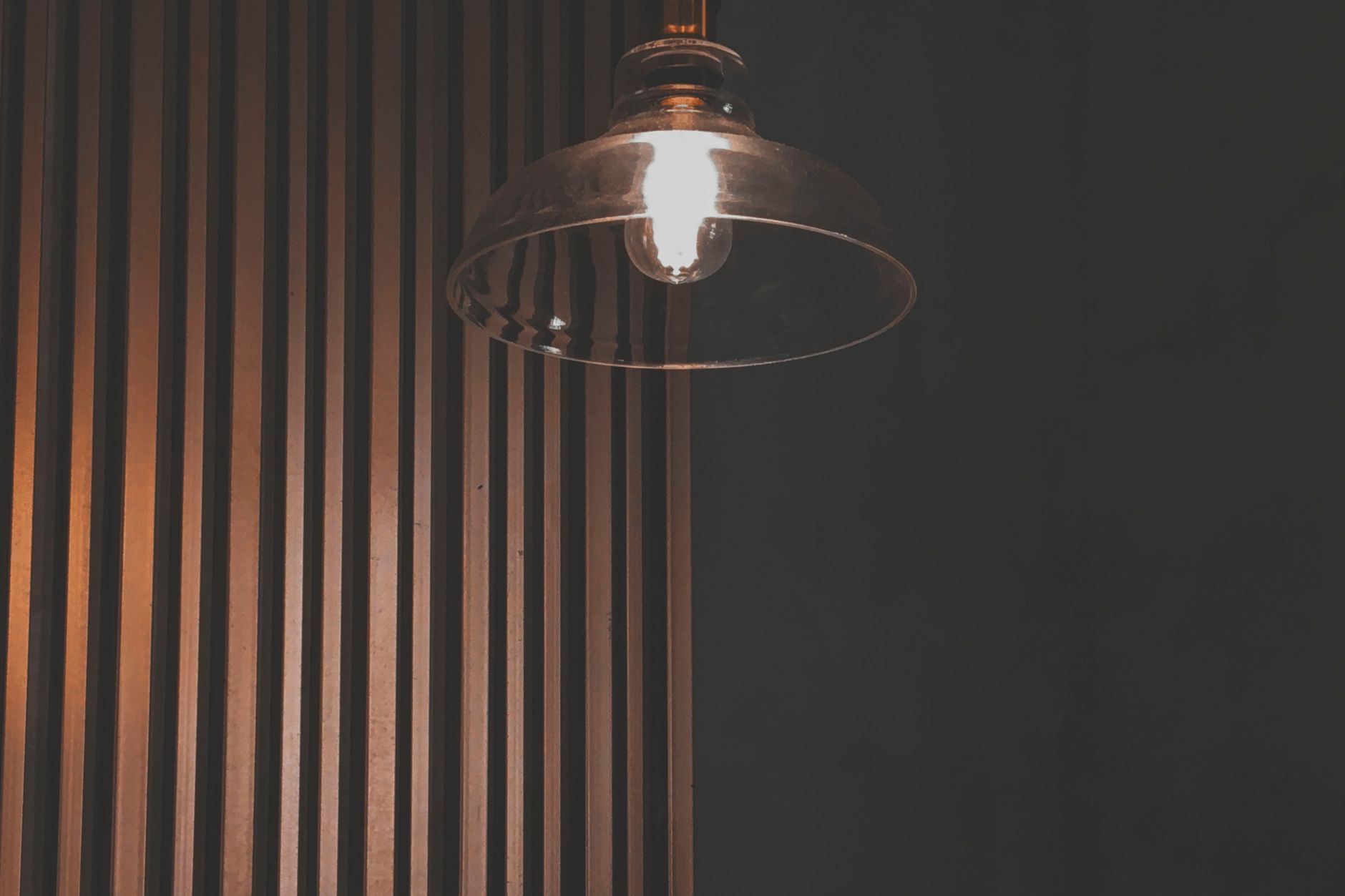
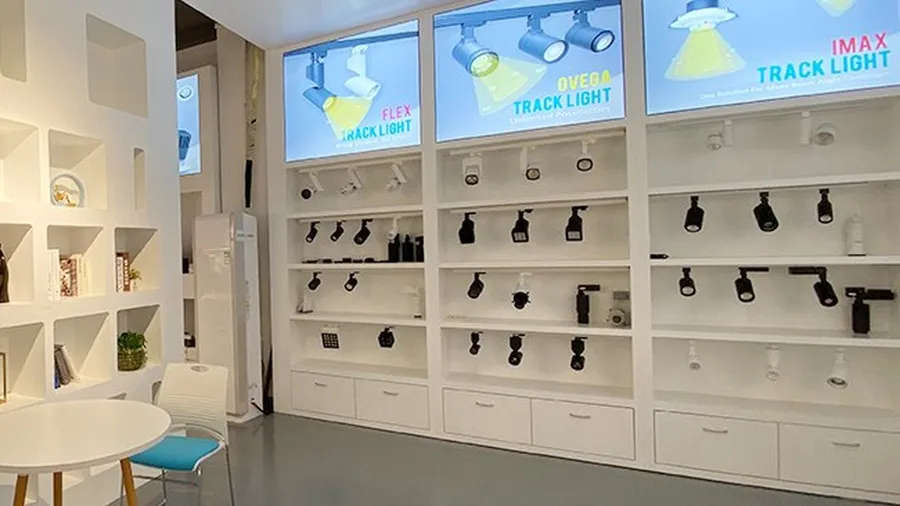
Application is everything: private label lets you deliver a consistent, branded look across showrooms, retail, and hospitality.
MOQ & Lead Times: What’s Realistic?
Realistic MOQs
| Product family | Private label MOQ |
|---|---|
| Standard track light | 100–300 units per design |
| Standard downlight | 100–300 units per design |
| Magnetic track system | 200–500 units |
| Custom branding / packaging | Usually separate, lower |
MOQ should be negotiated per design and itemized separately from tooling. On a standard private label product there is usually no tooling cost, so the factory can start low and scale with you.
Realistic lead times
| Stage | Time |
|---|---|
| Sample + branding approval | 1–2 weeks |
| Certification to your SKU | 1–3 weeks |
| Mass production + QC | 2–4 weeks |
| First order, total | 4–8 weeks |
| Repeat order | 2–4 weeks |
A factory that quotes “samples in a few days” without a dated production plan is telling you it does not engineer. For repeat orders, lead times compress because tooling and certification are already done.
Common Payment Terms
- 30% deposit / 70% balance before shipment — the industry standard for private label.
- Deposit before sample, balance before shipment for small orders.
- Letter of credit (L/C) for large or long-standing accounts.
- Payment via T/T (bank transfer) is most common; PayPal and credit card are often available for sample orders.
Always get itemized MOQ and pricing in writing before you pay a deposit — see the vetting checklist in our custom track lighting manufacturer guide.
Why Private Label Lighting Is Worth It Right Now
The keyword private label lighting manufacturer sits in a sweet spot for B2B buyers: it describes the exact model most resellers and e-commerce brands actually want, yet it is far less saturated than “LED lighting manufacturer.” The buyers searching it are ready to brand a product and place an order — they are not tire-kickers.
Related long-tail searches this guide feeds into:
- private label lighting / private label LED lighting — the reseller phrasing of the same intent.
- private label track lighting — the most common private label product family.
- white label lighting — the unbranded, multi-brand variant.
- private label lighting company / private label lighting factory China.
If you want to put your brand on certified track lights or downlights without owning a factory, this is the fastest path to a differentiated, ownable product line.
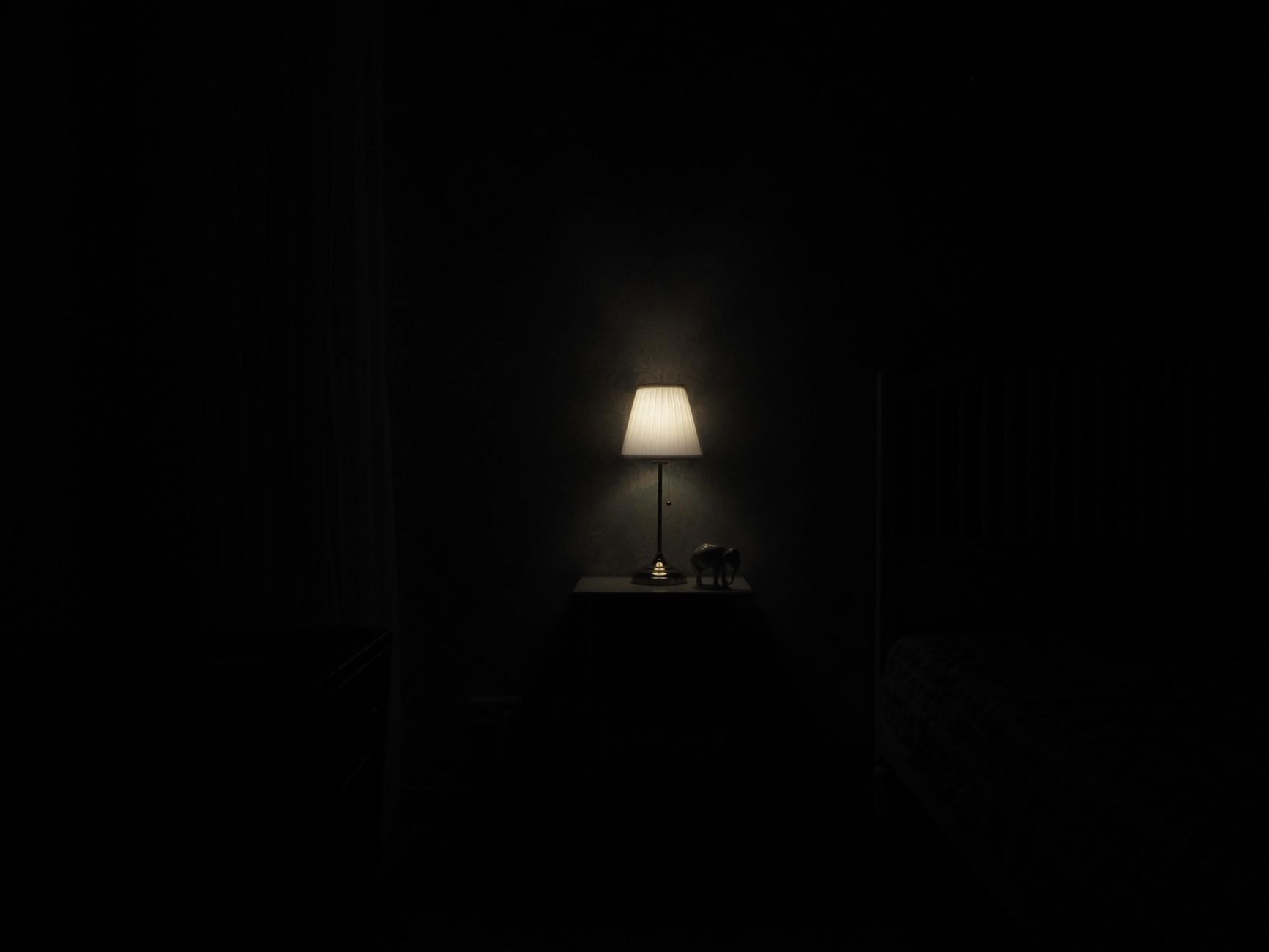
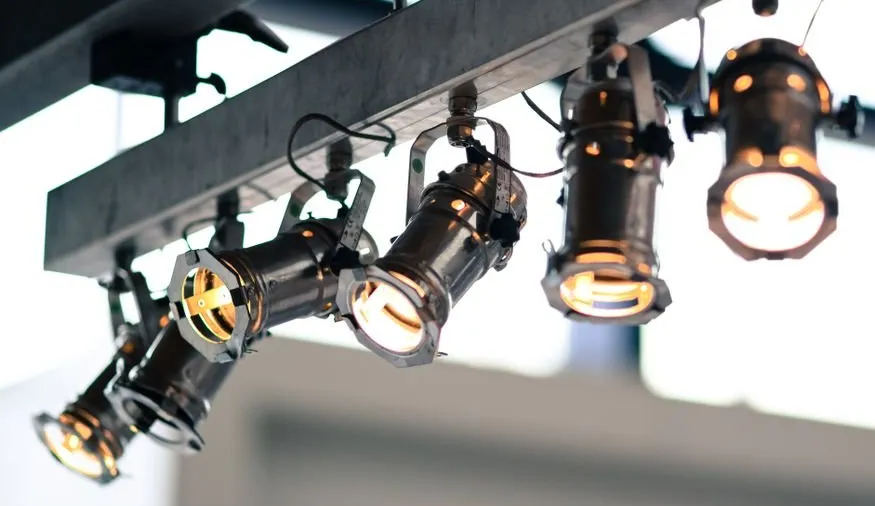
Consistent, brandable light — the outcome a reliable private label lighting manufacturer makes repeatable.
FAQ
What is a private label lighting manufacturer? A private label lighting manufacturer produces certified lighting products — track lights, downlights, magnetic systems — that another company sells under its own brand. The factory does the engineering, production, and quality control; the buyer owns the brand, the packaging, and the market.
What is the difference between private label, white label, and OEM lighting? Private label means the factory’s proven design carries your brand. White label is the same standard product sold unbranded under many brands. OEM means the product is engineered to your own spec with your own tooling — more control, more cost and lead time. Private label is the lowest-risk way to own a branded line.
What is the MOQ for private label lighting? For standard product, private label MOQ often starts at 100–300 units per design, with branding and packaging itemized separately. It is usually lower than full OEM because there is no tooling cost to absorb. MOQ is negotiated per design and should be in writing before you pay a deposit.
How long does a private label lighting order take? Sample and branding approval takes 1–2 weeks, certification to your SKU 1–3 weeks, and mass production 2–4 weeks — a realistic first order is 4–8 weeks, compressing to 2–4 weeks for repeat orders.
What can I customize on private label lighting? Your logo and packaging, housing color and material, CCT (2700K–6500K), CRI (80/90/95+), beam angle, wattage, dimming protocol (TRIAC, 0–10V, DALI, wireless), and compliance for your market — all on a proven, already-certified platform.
How do I verify a private label lighting factory is not a trading desk? Ask for workshop video (assembly line, SMT, aging-test racks), ask who manufactures the driver and housing, confirm the address is a real industrial park, review the quality-control process, and demand certificates that name your exact SKU. Then audit in person for a material order.
Conclusion
Private label lighting lets you launch a branded, certified lighting line in weeks instead of months — without owning a factory. You bring the brand and the market; a reliable private label lighting manufacturer brings the engineering, the production line, the certifications, and the QC.
Nail the spec, vet the factory against a showroom, approve a production-grade sample, lock certificates to your SKU, confirm QC before shipment, and get the terms in writing. Do that and you own a differentiated product your customers can’t price-match off a catalog.
Ready to put your brand on certified track lights, downlights, or a magnetic system? Send us your spec and target market, and we will tell you honestly what is buildable, what it costs, and how fast you can ship. Request a private label lighting quote →
Read next: OEM LED Track Lighting: A Complete Guide to Private Label Track Lights — the 6-step OEM process from brief to shipment for a fully custom track light.
- private label lighting manufacturer
- private label lighting
- private label LED lighting
- white label lighting
- private label track lighting
- private label lighting company
- private label lighting factory

ENCORE Lighting Team · ENCORE
LED Lighting Manufacturer & OEM/ODM Partner
The ENCORE engineering and sourcing team writes about LED track lighting, downlights, magnetic systems, certifications and OEM/ODM manufacturing for B2B buyers and specifiers.