· Sourcing & Quality · 23 min read

Written by ENCORE Lighting Team
LED Lighting Manufacturer & OEM/ODM Partner ·
LED Factory Inspection Guide: What a Buyer Should Check Before PO
A practical LED lighting factory inspection guide for buyers: factory audit vs product inspection, the 6 layers to verify before you sign a PO, how to check ETL and CE certificates against the exact model, and the PPI / DUPRO / PSI plan that stops a good sample turning into a bad shipment.
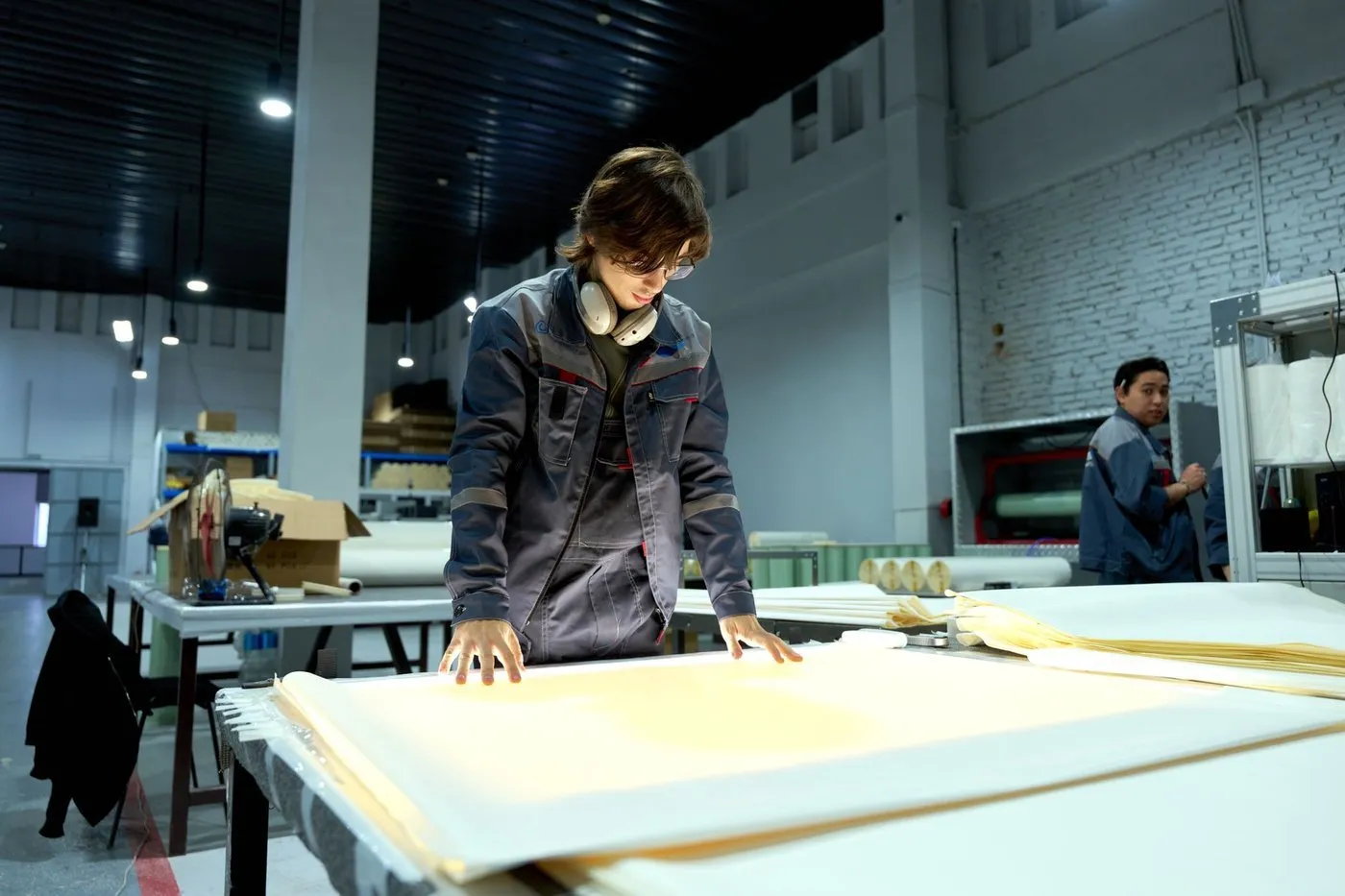
A purchase order is the moment risk changes hands. Before you sign it, almost everything is still negotiable — the specification, the tolerance, the standard, the model list, the packing. After you sign it, your only remaining tools are complaints and claims, and both are slow, expensive and relationship-damaging.
That is why LED factory inspection happens before the PO, not after the container leaves. Yet most buyers run only half of it. They check that the company exists. They do not check whether the process that makes the product is under control. They look at a certificate. They do not check whether that certificate covers the model they are buying.
This guide walks through the whole thing in the order a serious buyer does it: what to separate (audit vs inspection), the six layers worth verifying, how to check certification properly, and how to schedule inspections through production so a 95-point sample does not become an 80-point shipment.
Factory Audit vs Factory Inspection: They Are Not the Same Thing
The single most common sourcing mistake is using these two words interchangeably. They answer different questions, happen at different times, and produce different documents.
| Factory audit | Product inspection | |
|---|---|---|
| Question it answers | Can this factory make what I need, repeatedly? | Is this batch correct? |
| Object examined | The system — management, processes, equipment, records | The product — the physical units in front of you |
| When it runs | Before you commit (pre-PO, or pre-first-order) | At defined production milestones |
| Who runs it | You, your team, or a third-party audit firm | You, a QC agent, or the factory’s QC with your witness |
| Typical output | Capability report, NCR list, corrective-action plan | Inspection report with AQL data, photos, pass/fail |
| Verdict it gives | ”We can work with them" | "We can ship this batch” |
A clean audit does not guarantee a clean batch — a good factory can still ship a bad order when a sub-supplier changes an LED bin. And passing inspections will not save you if the factory has no thermal test capability and can never actually build the product you specified.
The order matters: audit first, inspection always. The audit tells you whether to place the order at all. The inspections tell you whether each shipment is safe to release. Skipping either one leaves a gap that the other cannot fill.
The three inspection milestones: PPI, DUPRO, PSI
Product inspection is not one event. For LED lighting, professional buyers run up to three.
- PPI — Pre-Production Inspection. Runs before mass production starts. It verifies that incoming components match what was approved: the LED brand and bin, the driver model, the heat-sink material and profile, the lens or reflector, the finish. This is where you catch a substituted component before it is locked into thousands of units.
- DUPRO — During Production Inspection. Runs when roughly 20–30% of the order is complete. It catches defects while there is still time to correct the run, and it verifies the assembly process itself — wiring, soldering, sealing, labeling, packing sequence.
- PSI — Pre-Shipment Inspection. Runs when 80–100% of the goods are finished and packed. It is a final sample check on quality, quantity, workmanship, packaging and carton marking before the goods are released to the forwarder.
A useful sanity check: if your supplier resists a PPI but happily offers a PSI, they are treating inspection as a formality at the end rather than as control during. Control during is where the money is saved.
What You Are Actually Inspecting: Six Hidden Risks in an LED Fixture
LED lighting is unusual because the two things that matter most — electrical safety and service life — are both invisible at the moment of unpacking. A fixture that is unsafe or will fail in year two looks identical to one that will last ten years.
So what are you really checking for? Six things.
1. Electrical safety. Insulation integrity, dielectric withstand (hi-pot), earthing continuity, creepage and clearance distances, wire gauge and connector ratings. This is what an ETL or CE certificate is supposed to prove — and the reason certificate verification (below) matters more than the certificate’s existence.
2. Thermal management. Heat-sink mass and surface area, thermal interface material, LED junction temperature and temperature rise under rated load. A cheap heat sink is the most common hidden cost-cut in track heads and downlights, and the failure shows up as lumen depreciation, colour shift or driver death — usually after the warranty conversation has become difficult.
3. Light source consistency. CCT binning, SDCM (colour consistency steps), CRI/Ra and — critically for retail, gallery and hospitality work — R9, the deep-red rendering value that most cheap fixtures quietly fail. If two fixtures from the same order render 3000K differently, a client will see it on the ceiling even if no one can measure it on paper.
4. Driver and dimming behaviour. Constant-current accuracy, flicker and ripple, dimming curve, and compatibility with the specific dimmer or control protocol in the project. A track head that flickers on a particular 0–10V dimmer is not a manufacturing defect — it is a specification gap that was never closed before the PO.
5. Mechanical and structural integrity. IP rating and how it is actually achieved (gasket, potting, sealed lens), mounting and suspension strength, rotation and tilt mechanisms, serviceability, and whether the fixture can be maintained on site without being destroyed.
6. Optics. Beam angle as delivered versus as claimed, beam uniformity, spill and glare control (UGR), and the accuracy of any photometric claims you are relying on for a lighting calculation.
Practical note: for a project where you have already run a lux calculation or specified a UGR limit, points 4 and 6 are not optional extras — they are the technical definition of whether the product is acceptable. Write them into the PO as measurable acceptance criteria.

An inspection is only as good as the document it produces. Ask to see the checklist before the visit, not after.
The Pre-PO Checklist: Six Layers to Verify Before You Sign
This is the core of the guide. Work through the layers in order — each one filters out failures that the next layer cannot detect.
Layer 1 — Legal entity and compliance
- Business licence, and the registered scope of business matching what you are buying
- Registered address versus the actual manufacturing address — and whether the plant you are shown is the plant that will produce
- Export capability: customs registration, ability to issue the right trade documents
- Ownership structure and, if relevant, whether a trading company sits between you and the factory
Ask: “Send me the business licence and confirm the production address in writing. Whose name will appear as manufacturer on the invoice and packing list?”
Red flags: the licence address is a serviced office; the “factory” is a trading company that will sub-contract; three different entity names appear across quotations, certificates and invoices.
Layer 2 — Systems and documentation
- ISO 9001 certification — and whether the covered scope names luminaires or lighting
- Documented IQC / IPQC / OQC procedures with actual filled-in records, not blank templates
- Incoming inspection records for LEDs, drivers and housings — with supplier names and lot numbers
- Traceability: can a finished unit be traced back to its LED bin and driver batch?
- Non-conformance handling and corrective-action records
Ask: “Show me last month’s IQC records and one closed corrective-action report.” Anyone can show a template. Real records have handwriting, dates, signatures and corrections.
Red flags: templates with no entries; records that all look freshly printed; no traceability from finished goods back to component batches.
Layer 3 — Certification and testing
- Which markets the factory is actually certified for: ETL/UL for North America, CE (LVD + EMC) for the EU, SAA for Australia and New Zealand
- The certificate’s control number, so it can be looked up in the issuing body’s public directory
- A model cross-reference list showing which of your SKUs the certificate covers
- Test reports behind the certificate: the standard edition cited, the report number, and the lab
- RoHS and REACH declarations, IP test reports where an IP rating is claimed
Ask: “For this exact model, give me the certificate number, the standard, the report number and the model coverage list.”
Red flags: an unsearchable or blanked-out certificate; a certificate issued to a different legal entity; a model range that does not include your SKU; a “CE certificate” that is in fact a self-declaration with no test report behind it.
The certificate is the claim. The test report, model list and standard edition are the evidence. Buyers who ask for both rarely get surprised. We cover the full verification routine in our guide to ETL certification for lighting, and the European equivalent — CE versus ENEC — in CE vs ENEC: the two truths about selling LED in Europe.
Layer 4 — Production line and process capability
This is where most remote buyers have no visibility, and where the difference between factories is widest.
- SMT and LED assembly — in-house or sub-contracted? If sub-contracted, who, and under what incoming checks?
- Aging line — is there a dedicated burn-in/aging rack, and for how long do units actually run? Ask to see the aging sheet with timestamps, not just the rack.
- Photometric testing — integrating sphere or goniophotometer for CCT, CRI, lumen output and beam distribution. A factory selling into projects without its own photometry is outsourcing your risk.
- Electrical safety testing — hi-pot and earth-continuity stations on the line, with a pass/fail record per unit rather than a batch stamp.
- IP and sealing — for outdoor or wet-rated fixtures, the water and dust test method, and whether it is done in-house.
- Assembly, packing and carton marking — labelling accuracy, carton drop testing, and whether packaging is designed for the transit mode you are using.
Ask: “Walk me through the process from incoming LED to packed carton, and tell me at which steps the units are tested — with the record I would receive.”
Red flags: no aging capability at all; photometric data supplied by the LED supplier rather than measured on the finished fixture; testing stations present but no per-unit records; sealing claims with no test method.
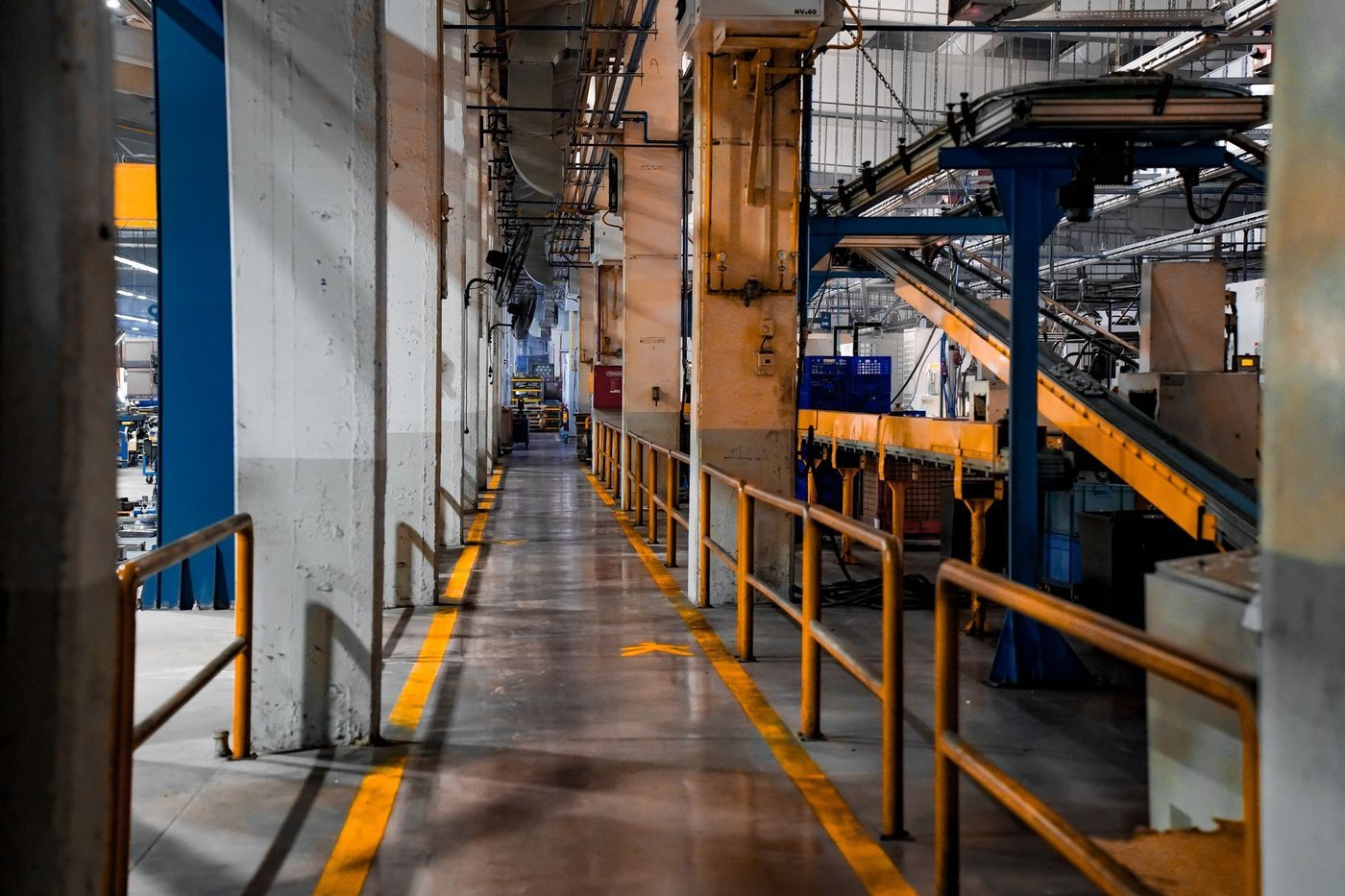
Process capability is visible. What you are looking for is not new equipment — it is evidence that the equipment is actually used, every batch, with records.
Layer 5 — Quality data
- Sampling standard in use: AQL levels, and how defects are classified
- Typical classification: critical (0), major (2.5), minor (4.0) — but the levels must fit your product, not the factory’s habit
- The factory’s own defect rate and rework rate, by product family
- Cosmetic standard: is there a written, photographed definition of an acceptable finish, or is it “reasonable”?
- What happens to a failed batch — rework, re-test, or ship-with-discount?
Ask: “Give me the AQL levels you will apply to my order, the defect definitions, and the last three months of your internal defect data for this product family.”
Red flags: vague answers about AQL; no photographed cosmetic standard; a defect rate quoted as zero.
Layer 6 — Delivery, service and commercial terms
- MOQ and how it interacts with the model range you actually need
- Sample-to-mass-production consistency mechanism: whose sample is the reference, and how is it held?
- Lead time stated per stage, not as a single number
- Packaging for your transit mode, with drop-test evidence
- Warranty scope: what is covered, what voids it, and the replacement mechanism
- Spare parts and after-sales route — who in your team talks to whom, and how fast
Ask: “Seal the approved sample, keep a signed copy, and tell me in writing what you will do if the production batch deviates from it.”
Red flags: no sealed reference sample; warranty terms that exclude the failure modes you have seen before; no named after-sales contact.
Certificate Verification: Do Not Stop at the Image
Almost every supplier website shows certificate images. Images are easy. Verification is what protects you, and it takes about ten minutes.
Step 1 — Get the control or report number. Not a logo, not a photo of a certificate on a wall. Ask for the number printed on the certificate.
Step 2 — Look it up in the issuing body’s directory. ETL certificates are searchable in Intertek’s public directory; UL listings in the UL Product iQ directory; ENEC certifications in the ENEC scheme database. If it cannot be found, stop there.
Step 3 — Match the model. The certificate lists the specific models or series it covers. Confirm your exact SKU — including suffix codes for wattage, CCT and finish — appears on that list, or falls within a listed series definition.
Step 4 — Match the legal entity. The applicant or manufacturer named on the certificate must be the entity you are contracting with, or an entity whose relationship to your supplier is documented. A certificate belonging to a different company tells you nothing about your order.
Step 5 — Match the standard and edition. UL 1598 for luminaires, with the Canadian counterpart CSA C22.2 No. 250; EN 60598-1 for Europe. Check the edition cited is current enough to satisfy the inspector or specifier in your market.
Step 6 — Keep the documents with the order file. Certificate, model coverage list and test report, stored alongside the PO. This is the file you hand over when a customer, insurer or authority asks.
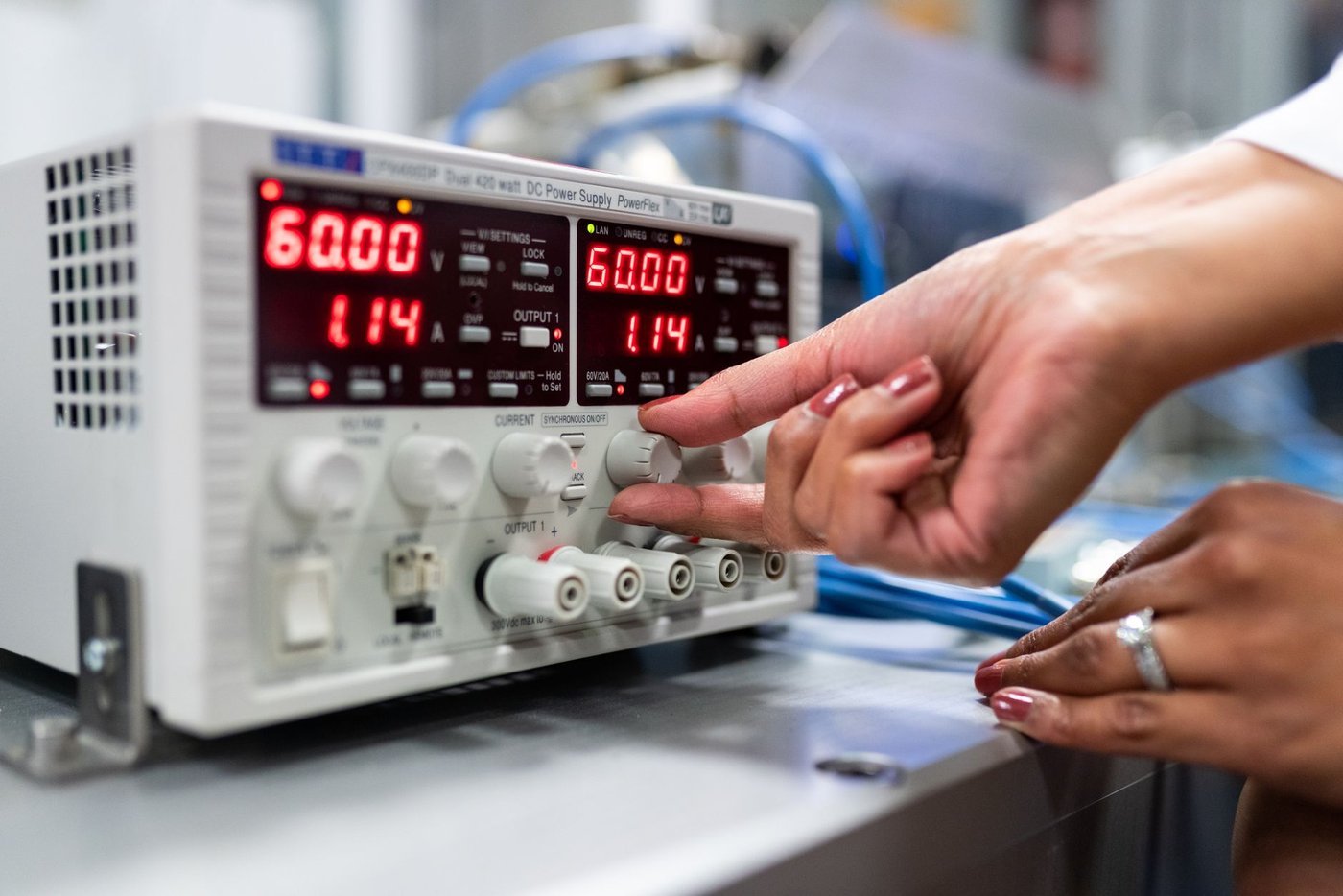
Certification is a claim about a test. Ask to see the test setup as well as the paper — a factory that can run the measurement in-house can also answer questions about it.
A real certificate, dissected
The image below is an actual ENCORE ETL Authorization to Mark issued by Intertek — not a marketing graphic.
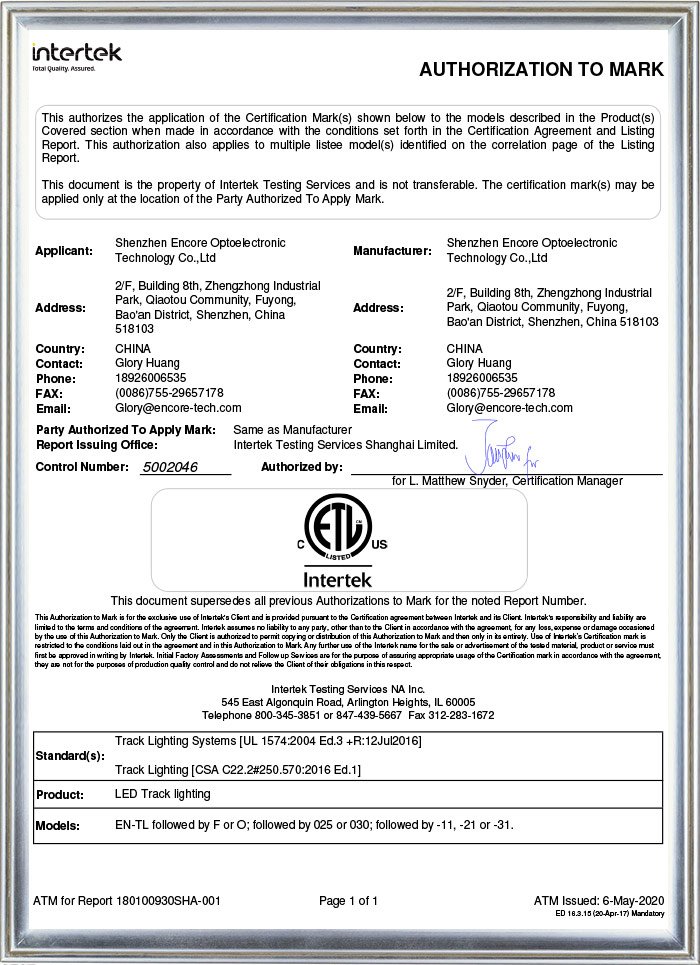
Read it the way a buyer should: the standard (UL 1598 / CSA C22.2 No. 250), the product category, the covered model list, the applicant and manufacturer, and the control number you can search yourself. A certificate that shows a logo but none of these fields is not verification material.
We publish ETL, CE (LVD + EMC), SAA and ISO 9001 documentation together with model cross-reference tables on our certifications page precisely so that buyers can run this check without asking us for permission.
Scheduling Inspections Through Production
Once the PO is signed, controls are what remain. A workable plan for a first LED lighting order looks like this:
| Milestone | What is checked | Release decision |
|---|---|---|
| Sample approval | Build, finish, CCT, CRI, beam, dimming, packaging | Freeze the golden sample, signed by both sides |
| PPI (before mass production) | Component identity: LED bin, driver, heat sink, optic, finish | Approve components or stop the run |
| DUPRO (20–30% complete) | Assembly, wiring, sealing, labelling, process records | Correct in-line or re-inspect |
| Aging (per batch) | Burn-in duration and failure rate; data logged | Only passed units proceed |
| PSI (80–100% complete, packed) | AQL sampling, workmanship, function, quantity, carton marking | Ship, rework, or hold |
| Pre-shipment documents | Certificate coverage, test reports, packing list, carton drop evidence | Release to forwarder |
Two calibration points that buyers consistently get wrong:
AQL levels are a product decision, not a default. Critical defects (safety, non-function, wrong model) accept zero. Major (function affected, unsafe-adjacent, visible at distance) is commonly 2.5. Minor (cosmetic, not functionally relevant) is commonly 4.0. On architectural and hospitality projects where every unit is visible on a ceiling, buyers often tighten major to 1.5 — and they write that into the PO before signing.
Aging duration belongs in the PO. “Aged before shipping” means nothing unless it specifies hours, at what temperature, and what failure rate invalidates the batch.
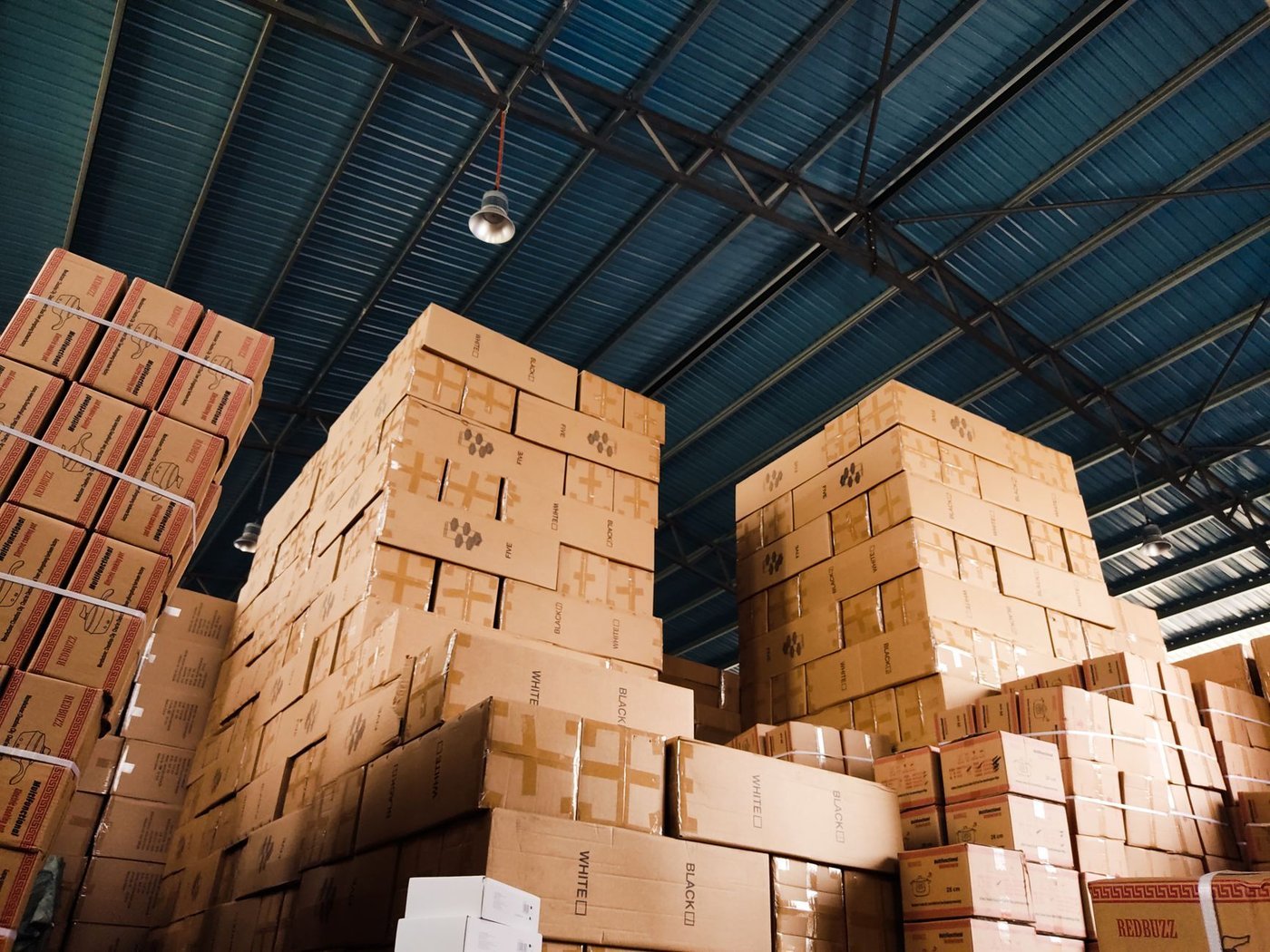
PSI is your last gate before the goods become someone else’s problem. It is also the cheapest gate you will ever have.
Remote Factory Inspection: How to Do It Properly
If you cannot travel to China — or cannot travel every time — remote inspection is workable, provided you move from assertions to verifiable evidence.
Run the video walkthrough as a scripted tour, not a call. Book it in advance, and require these stations in this order: incoming material store → SMT → assembly → electrical test → aging rack → photometric dark room → packing. Ask the camera to dwell on records, not on equipment.
Ask for three things that are hard to fake:
- Live video of the aging rack with today’s date visible, showing the log sheet for your batch
- A timed test clip — for example, a hi-pot or CCT measurement performed on camera on a unit from your order
- A document pack sent the same day, so the records you saw and the records you receive match
Insist on the record, not the narrative. “We test every unit” is a claim. A per-unit test record with serial numbers, timestamps and a pass/fail column is evidence. Ask which one you will receive before the order, and make it a PO clause.
Know when remote is not enough. For a new factory, a new product platform, a first order above a threshold you are uncomfortable with, or any order with a safety-critical certification dependency, either go yourself or hire a third-party inspector with a defined checklist. The cost of one trip is a rounding error against a recalled container.
If you are planning a first sourcing cycle, our six-step OEM LED lighting sourcing checklist covers the steps that come before and after the inspection, and the private label lighting manufacturer guide covers the branding and compliance layer if the goods will carry your own mark.
What a Factory That Stands Up to Inspection Looks Like
We describe our own process here not as a sales claim but as a concrete reference, so you know what “good” looks like when you audit someone else.
Component control. Incoming LEDs arrive binned by CCT and SDCM, and drivers are verified against the approved model before they enter the line. A bin substitution is treated as a change order, not a purchasing decision.
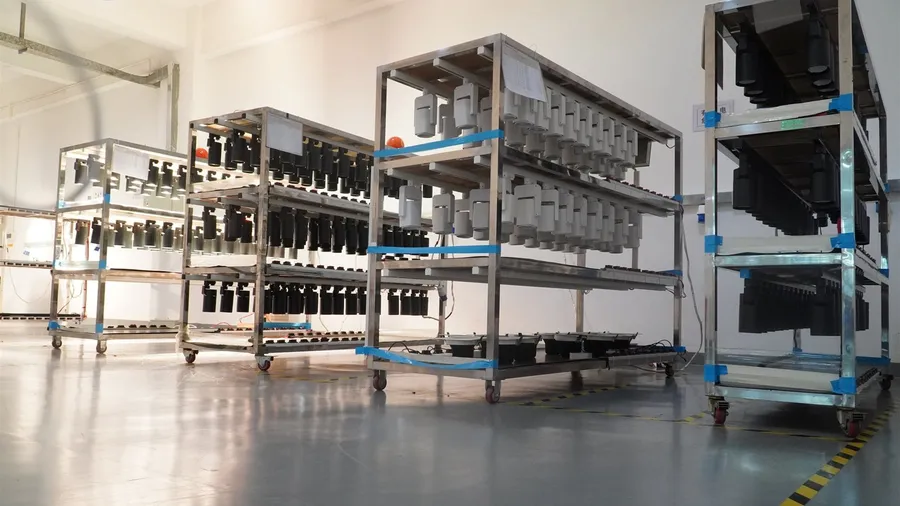
100% aging. Finished units run on burn-in racks before packing, with the duration and failure rate logged per batch — including drive and dimming behaviour under load.
In-house photometry. CCT, CRI (including R9), lumen output and beam distribution are measured in our own dark room, so the photometric values on a specification sheet can be traced back to a measurement we made on the finished fixture. If a project has been calculated with a photometric guide, a beam angle calculation or a lux calculation, the numbers in that file and the numbers in the test report need to agree.
In-process electrical testing. Hi-pot and earth-continuity checks run in line with per-unit records, aligned to the standards behind our ETL and CE certification.
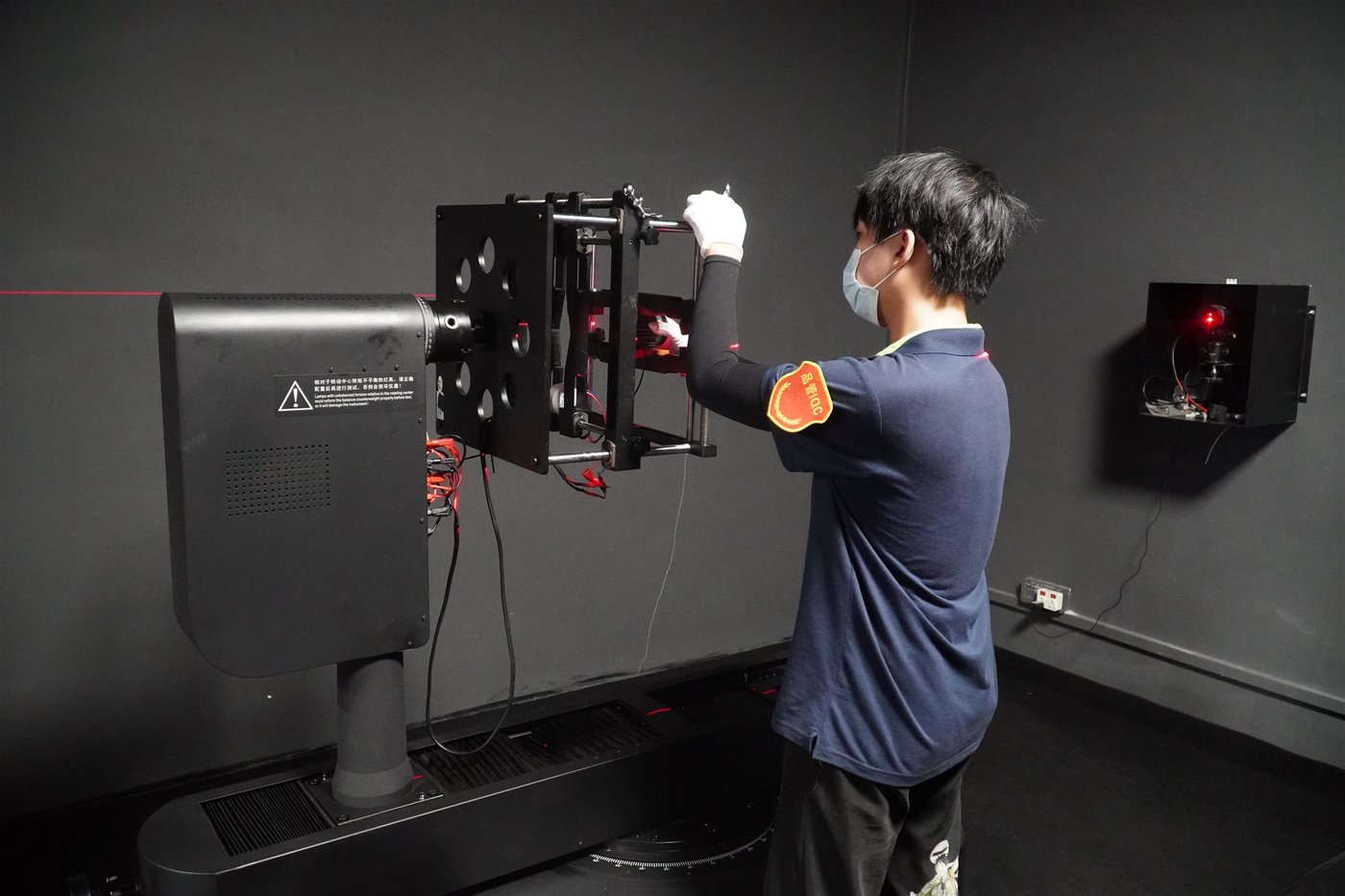
Photometric testing performed in-house on the finished fixture — so CCT, CRI and beam claims can be traced to a measurement rather than to a supplier’s datasheet.
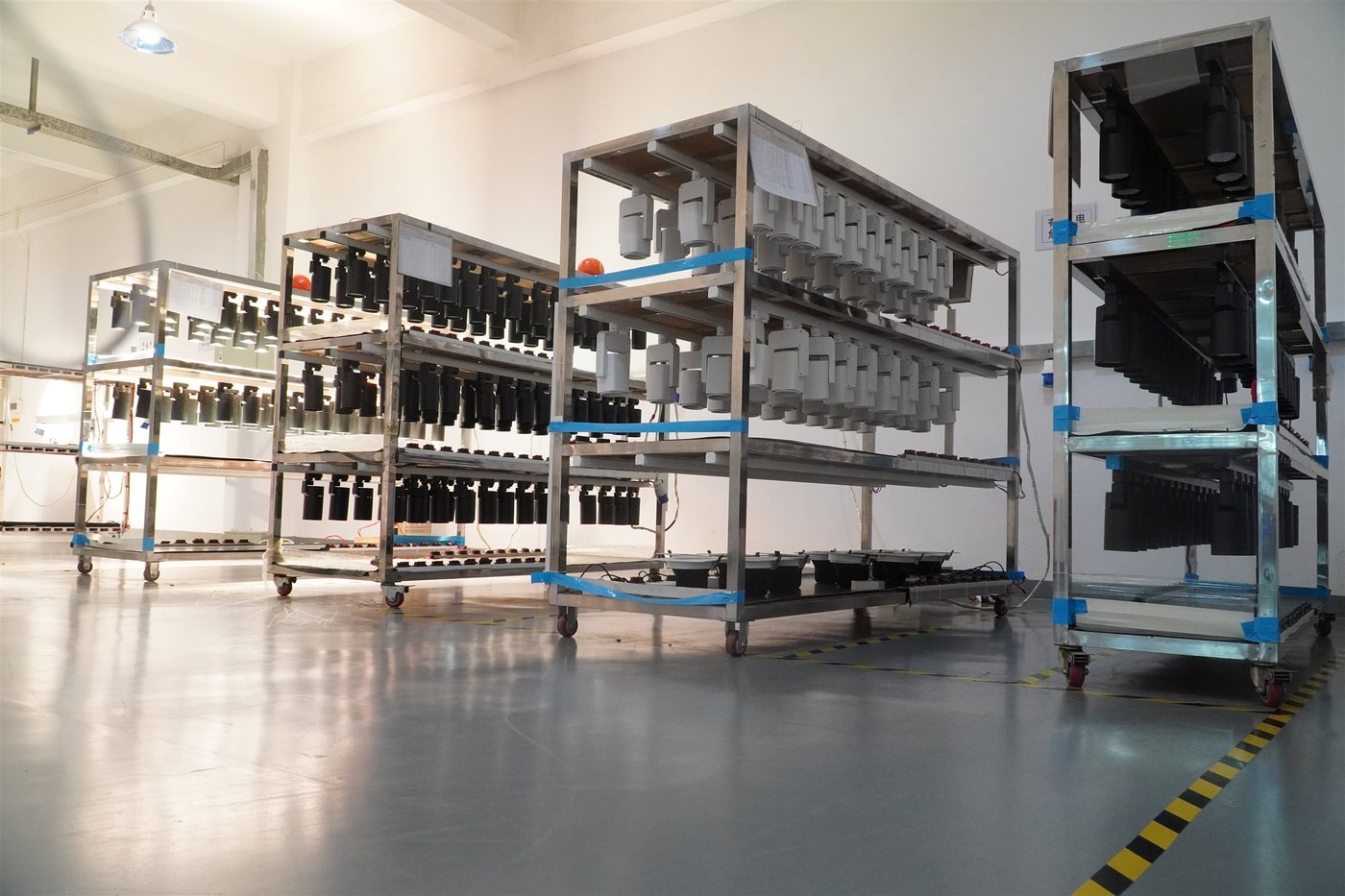
Burn-in happens before packing, on every batch, with logged duration and failure rate. It is the single cheapest reliability test a lighting factory can run — and the easiest to skip quietly.
If you want the full picture of how this is organised, our quality control process documents the IQC, IPQC and OQC stages line by line, and the OEM/ODM page explains how a custom specification moves from RFQ to certified, inspected production.
The 30-Day Pre-PO Plan
If you have a real order coming, this sequence keeps the inspection burden manageable:
Week 1 — Documents and eligibility. Business licence, scope, address confirmation, ISO 9001, IQC/IPQC/OQC procedures, certificate numbers and model lists. Shortlist to two or three factories.
Week 2 — Capability. Scripted video walkthrough or site visit. Aging capability, photometric equipment, in-house versus sub-contracted processes, sample room.
Week 3 — Verification. Look up every certificate number in the issuing body’s directory. Match models and legal entities. Request test reports and the model cross-reference list. Commission samples and test them against your own requirements, not the factory’s.
Week 4 — Terms. Agree AQL levels and defect definitions, aging duration, sealed reference sample, packaging and drop-test evidence, warranty and spare-parts route. Only then sign the PO — with the inspection milestones written into it.
If a factory negotiates on the milestone clauses but not on the price, be more interested, not less. Suppliers who expect to be inspected price accordingly. Suppliers who expect not to be inspected cannot.

By the time the goods are on the water, verification is over. Everything described in this guide exists to make sure that is the end of the risk, not the beginning of it.
FAQ
What is the difference between a factory audit and a factory inspection? An audit examines the factory’s capability and systems, and answers “can they make this repeatedly?” An inspection examines a specific batch of product, and answers “is this shipment correct?” Audits happen before you commit; inspections happen at PPI, DUPRO and PSI milestones during production. You need both, and the audit comes first.
How much does an LED factory inspection cost, and how long does it take? A third-party product inspection is typically priced per man-day, and a standard PSI on a lighting order is usually one to two man-days including reporting. A full factory audit costs more because it takes longer and covers more ground. Remote video verification is cheaper but weaker evidence. Treat any quote as indicative and confirm scope — number of models, number of tests, report turnaround — before booking.
I do not have a team in China. How do I run a remote inspection? Move from claims to verifiable evidence: a pre-scripted live video walkthrough in a fixed station order, live footage of your batch on the aging rack with a visible date, a timed test performed on camera on a unit from your order, and a document pack sent the same day. For a first order with a new factory or a certification dependency, hire a third-party inspector instead.
A supplier sent me an ETL certificate image. How do I confirm it is genuine? Ask for the control number, look it up in Intertek’s public directory, then match three things: the model (does your exact SKU appear?), the legal entity (is the applicant or manufacturer the company you are contracting with?) and the standard and edition (UL 1598 plus CSA C22.2 No. 250 for North America). Finally, request the test report behind the certificate. See our ETL certification guide for the full routine.
The sample was excellent. How do I stop mass production from drifting? Freeze a sealed, signed reference sample held by both parties, then write three things into the PO: component identity control (LED bin, driver model, heat-sink profile), a PPI before mass production, and an AQL level with defect definitions. Sample drift almost never happens because the factory got worse — it happens because nobody defined what “the same” means.
What AQL levels should I specify for LED lighting? Critical defects accept zero. Major is commonly 2.5, and 1.5 on visible architectural or hospitality projects. Minor is commonly 4.0. What matters more than the number is the written definition of each defect class for your product, including a photographed cosmetic standard, agreed before the PO rather than argued about at PSI.
Do I have to visit China to be safe? Not always, but not never either. Remote verification is adequate for a repeat order from a factory you already know. Go in person — or commission a third-party inspection — for a new factory, a new product platform, an order above your comfort threshold, or anything where a certification failure would be expensive.
Conclusion
Factory inspection is not about catching a supplier out. It is about converting expectations into acceptance criteria you can actually enforce — the model list on a certificate, the aging hours in a PO, the AQL level with a written defect definition, the sealed sample that settles every later argument.
Buyers who inspect before the PO spend more time in week one and dramatically less time in month six. The factory benefits too: ambiguity is expensive for both sides.
So the next time you are ready to sign, do not ask “are you certified?” Ask the three questions that actually settle it:
“Send me the certificate control number and the model list for this exact SKU. Tell me how many hours you age this batch and give me the log. And confirm in writing the AQL level and defect definitions we will inspect against.”
The answer to those three questions tells you more than a factory tour and a lunch.
We build LED track lighting, downlights, magnetic track systems and commercial luminaires in Shenzhen, with in-house photometry, 100% aging and ETL / CE / SAA / ISO 9001 documentation available per model. Compare our product platforms, read the quality control process, or send us your specification and we will tell you exactly which of our models is already certified for your market — and which would need extended testing.
Request a factory inspection pack or quote →
Read next: OEM LED Lighting Manufacturer: 6-Step Sourcing Checklist for the steps before and after inspection — or ETL Certification for Lighting: What It Costs, How to Verify if certificate verification is your next task.
- led lighting factory inspection
- factory inspection checklist
- factory audit vs inspection
- pre shipment inspection
- during production inspection
- led lighting quality control
- china led factory visit
- aql inspection led lighting

ENCORE Lighting Team · ENCORE
LED Lighting Manufacturer & OEM/ODM Partner
The ENCORE engineering and sourcing team writes about LED track lighting, downlights, magnetic systems, certifications and OEM/ODM manufacturing for B2B buyers and specifiers.