· Custom & OEM Lighting · 24 min read

Written by ENCORE Lighting Team
LED Lighting Manufacturer & OEM/ODM Partner ·
ODM Downlights: How to Private-Label a Recessed Lighting Line
ODM downlights explained for buyers: which three words get confused, why a recessed fixture is the cheapest product to private-label, the four-stage select-sample-certify-produce flow, the eight things you can change without a mould, and why an MOQ is a price, not a gate.
There is a wall almost every downlight buyer hits, and it is not the price. It is three phrases.
- ODM downlights — the factory designed the fixture, owns the tooling and holds the certification. You take a model from that line, change the badge, the trim and the box, and sell it under your own name.
- OEM recessed lighting — the drawing is yours, or at least the specification is. The factory builds to it, the tooling is usually on your invoice, and the certificate carries your model number.
- ODM recessed lighting — this is not a third option. It is the older way buyers searched for the first one. “Recessed lighting” is the category word, “downlight” is the product word, and which one you type decides which supplier you find.
The three phrases are not three definitions. They are three answers to one question: who pays for the one-off cost? Everything below is that sentence, applied to a recessed luminaire.
If you are still choosing between the underlying sourcing models at the contract level, our private label vs OEM vs ODM lighting breakdown sorts those out first. This article assumes you have picked ODM and now want to know what it actually gets you on a downlight.
Why a Recessed Fixture Is the Cheapest Product to Private-Label
Here is a claim worth testing: a downlight is the most ODM-friendly fixture in the catalogue — more forgiving than a track light.
The reason is not technology. It is part count. Strip a downlight down and you get four things:
- The body — a die-cast or pressed aluminium can. It sets the cut-out diameter, the depth, the IP rating and the thermal path.
- The optics — reflector or lens, plus the trim ring. It sets the beam angle and the glare control.
- The light engine — COB or SMD board plus driver. It sets wattage, CCT and colour rendering.
- The mounting — spring clips, how the trim fixes on, how the cable exits.
Only the first item needs a mould.
Compare a track light. A track light also needs a track profile, an adapter, a head housing and a rotation joint — each one its own tool. A downlight’s single body tool feeds the entire series: same can, change the trim to go square or round, change the reflector to go narrow or wide, change the board to go 3000 K or 4000 K.
That is the economics of ODM downlights in one sentence: many dimensions of variation, very few tools. The parts that change are cheap; the part that does not change is expensive. Which means the freedom you can buy at low volume is a tier higher than it is on a track system.
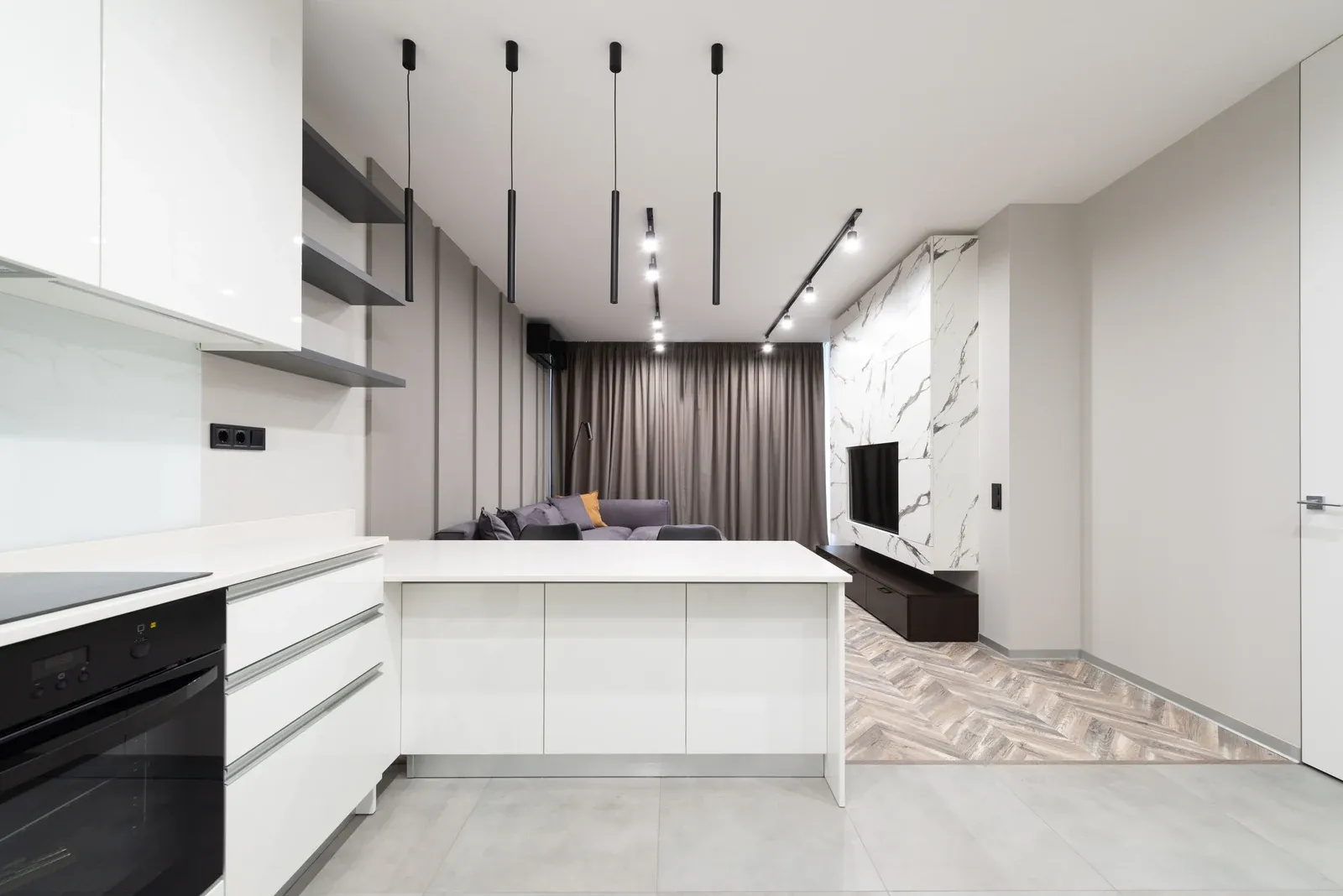
Residential work is where a downlight earns its keep: a small aperture, a deep anti-glare set and a tight cut-out.
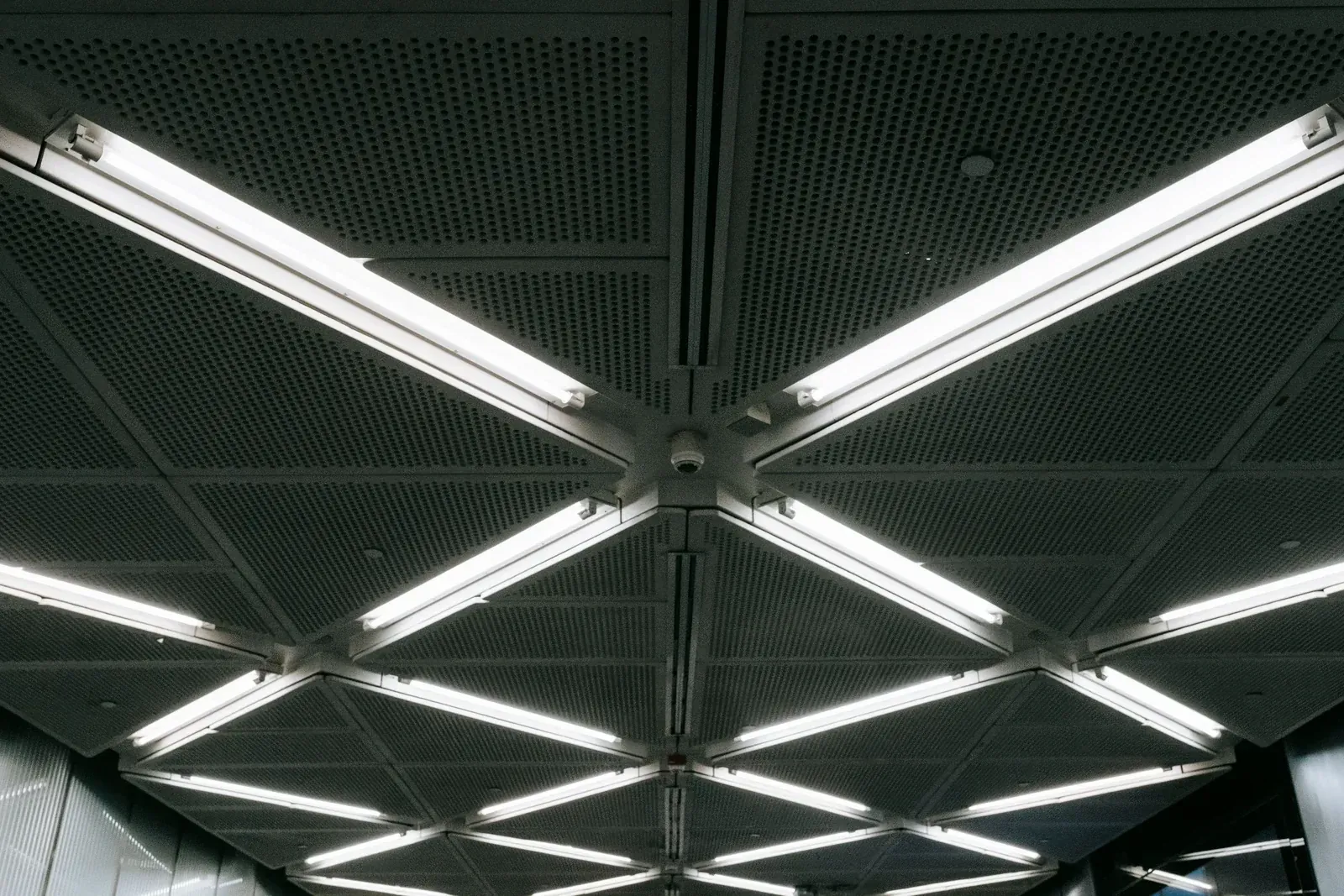
Every one of those modules is a cut-out, a depth and a spring clip — three numbers that decide whether the fixture fits a building.
The Four-Stage ODM Downlight Flow
Every ODM downlight project, on any scale, runs the same four stages. What varies is how long each one takes and who pushes it forward.
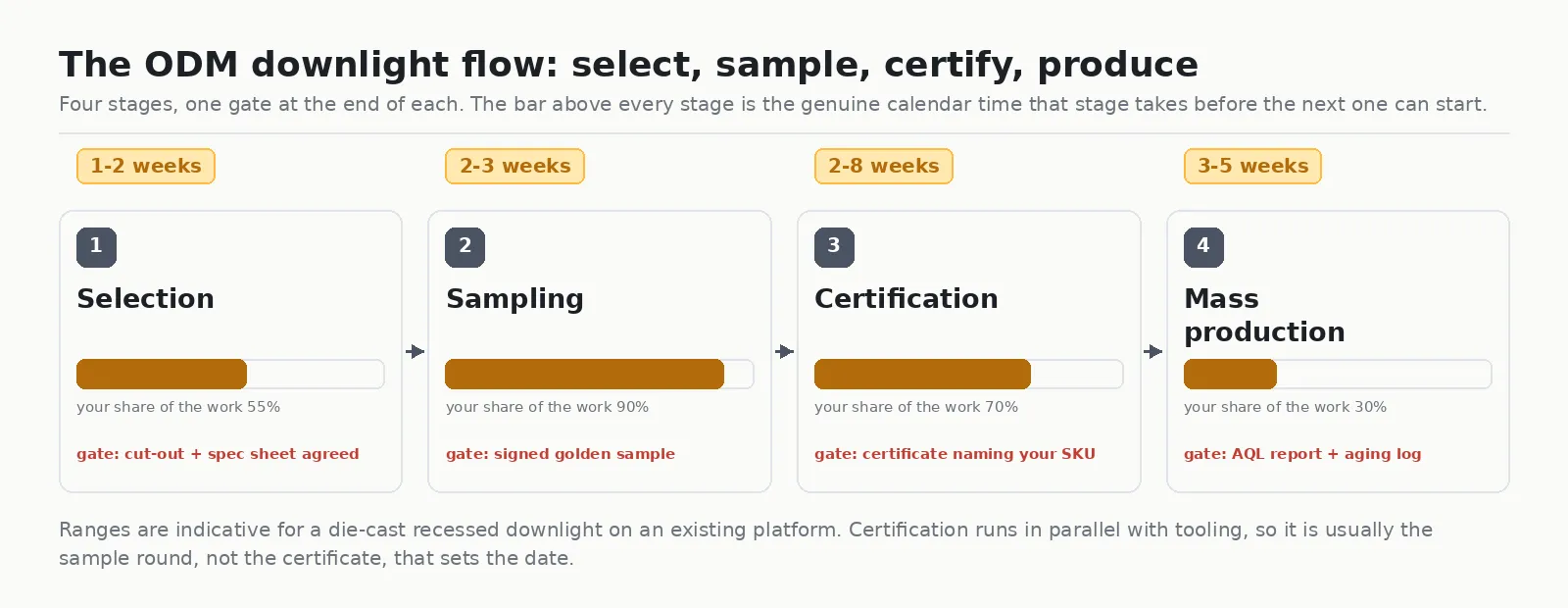
Four stages, one gate at the end of each. The gate is the only thing that lets the next stage start.
Stage 1 — Selection
You pick a base model from the factory’s downlight line. The question at this stage is not “how much”. It is three numbers: cut-out diameter, total body height, and trim outer diameter.
A recessed luminaire is trapped by the ceiling void and the hole in it. Until those three numbers are fixed, everything else is conversation.
The gate: a written cut-out and specification sheet. This is where a surprising number of projects quietly die — both sides are certain they “said it”, and nobody wrote it down. For the mechanical detail worth pinning before you commit, see the photometric guide for how the light engine numbers sit alongside the physical ones.
Stage 2 — Sampling
Trim colour, beam angle, CCT, CRI, driver topology, IP rating — everything changeable is changed here. A sample is not there to give you an impression. A sample is there to give the production line its definition of correct. Once approved, it gets sealed and signed.
The gate: a signed golden sample. This is the cheapest line item in the whole project and the most commonly skipped. Skip it, and three months later you say the trim is the wrong shade, the factory says it was always that shade, and neither of you can prove anything. Our QC framework for custom LED orders digs into what first-article approval has to confirm.
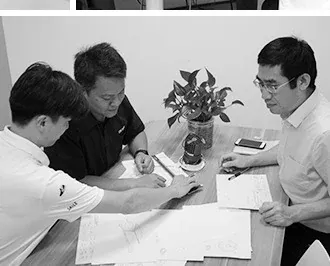
The sampling stage, live: a real fixture on the table, real drawings, and three people arguing about a 2 mm gap.
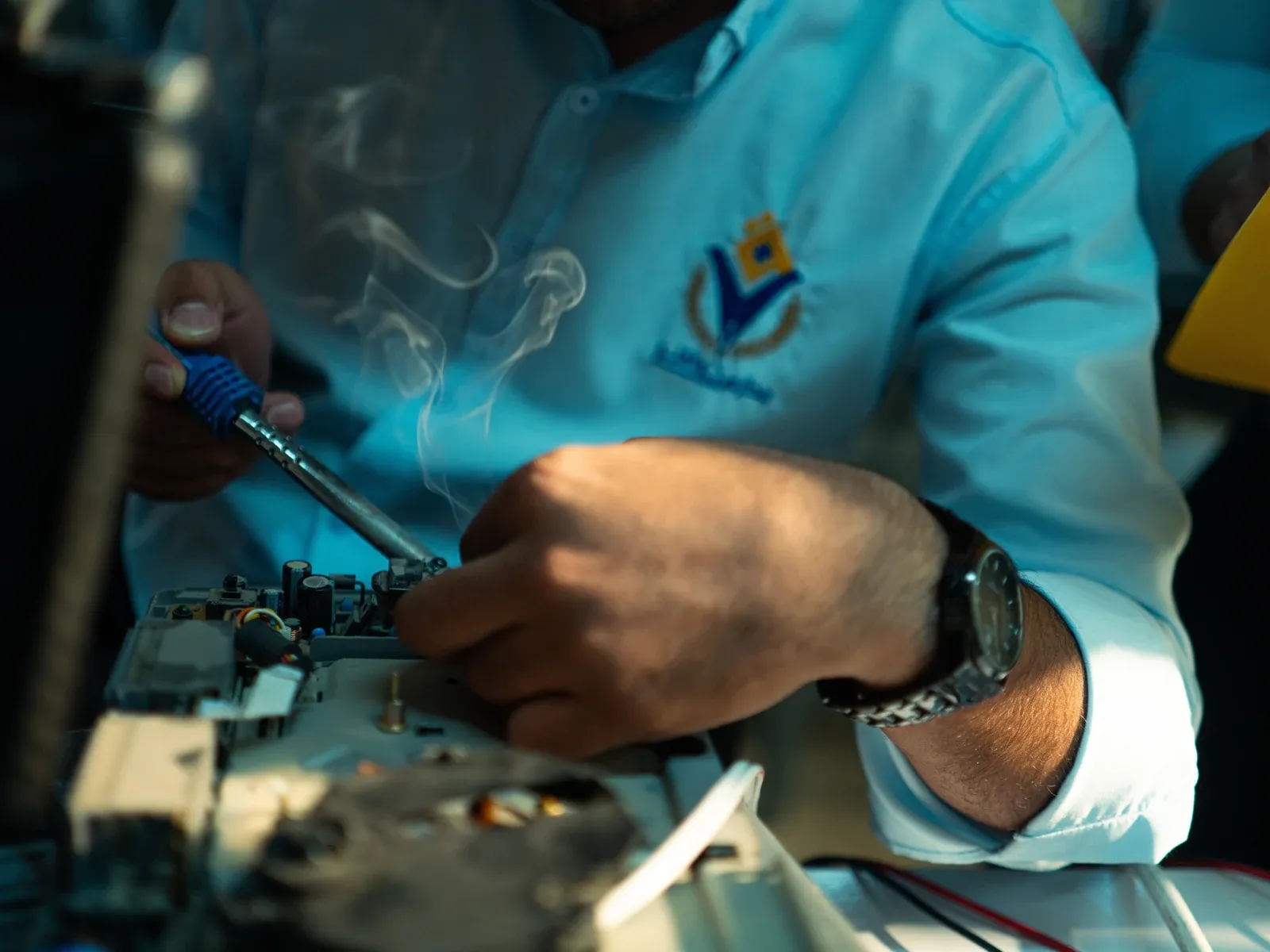
The light engine is where the cheap changes live. Change the board here and the tooling budget does not move at all.
Stage 3 — Certification
ETL or UL for North America, CE for Europe, SAA plus RCM for Australia and New Zealand.
Two things matter on a downlight, and the second one catches people out.
The first: a certificate is issued to a model, not to a product family. Change the driver and the electrical characteristics change, so the certificate may no longer cover the article you are importing. The evidence chain behind that is set out in our ETL certification guide and in the SAA and RCM walkthrough for Australia.
The second, which is downlight-specific: recessed luminaires are tested under a different clause to fixed general-purpose ones. In the Australian scheme, a recessed fixture is assessed against AS/NZS 60598.2.2, while a track light sits under AS/NZS 60598.2.1. If your supplier waves a track light certificate at a downlight enquiry, those are two different documents.
The gate: a certificate that names your model. Not the factory’s generic range.
Certification is not a sticker. It is a test report that has to describe the fixture you actually ship.
Stage 4 — Mass Production
First-article approval, aging, AQL sampling, dispatch. For an ODM programme this stage is where volume, MOQ and the unit price curve all meet — that is the next two sections.
The gate: the aging log and the AQL report.
Across all four stages, the buyer is most involved at stage two. Sampling is the one moment you are allowed to change your mind cheaply. A change at sampling costs one sample. The same change after mass production costs a batch.
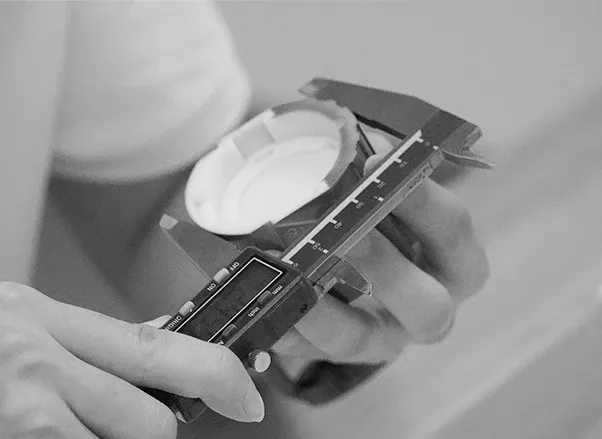
Dimensional checks against the agreed drawing. This is the moment a 2 mm drift is still cheap to fix.
What You Can Actually Change on an ODM Downlight
This is the table buyers ask for first. Eight items, sorted by how deep the change goes, with the tooling question answered honestly.
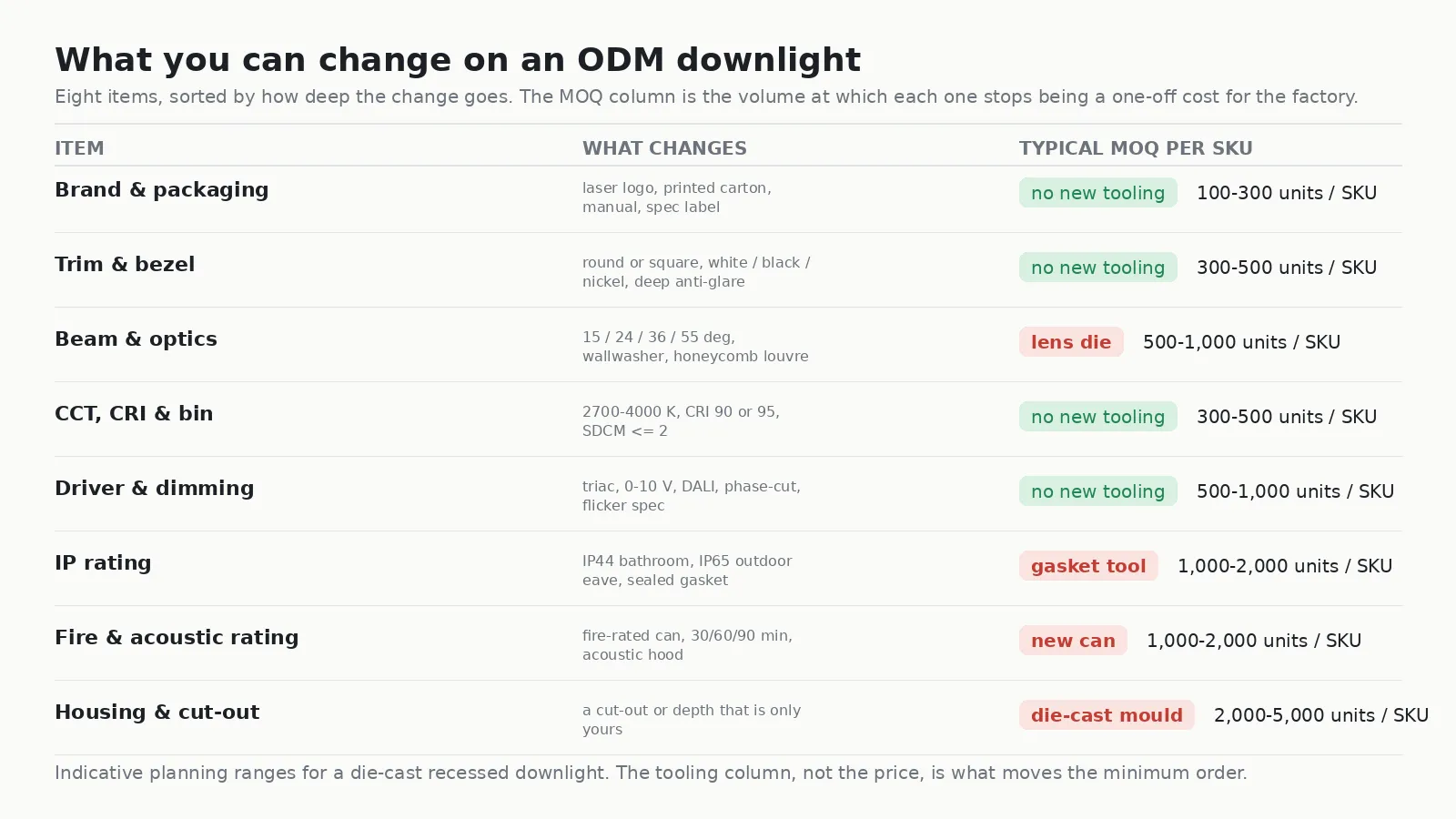
Look at the third column. Only four of the eight items need a tool — and those four are exactly the four where the minimum order jumps a tier.
The MOQ is not the factory’s attitude. It is the mould’s denominator.
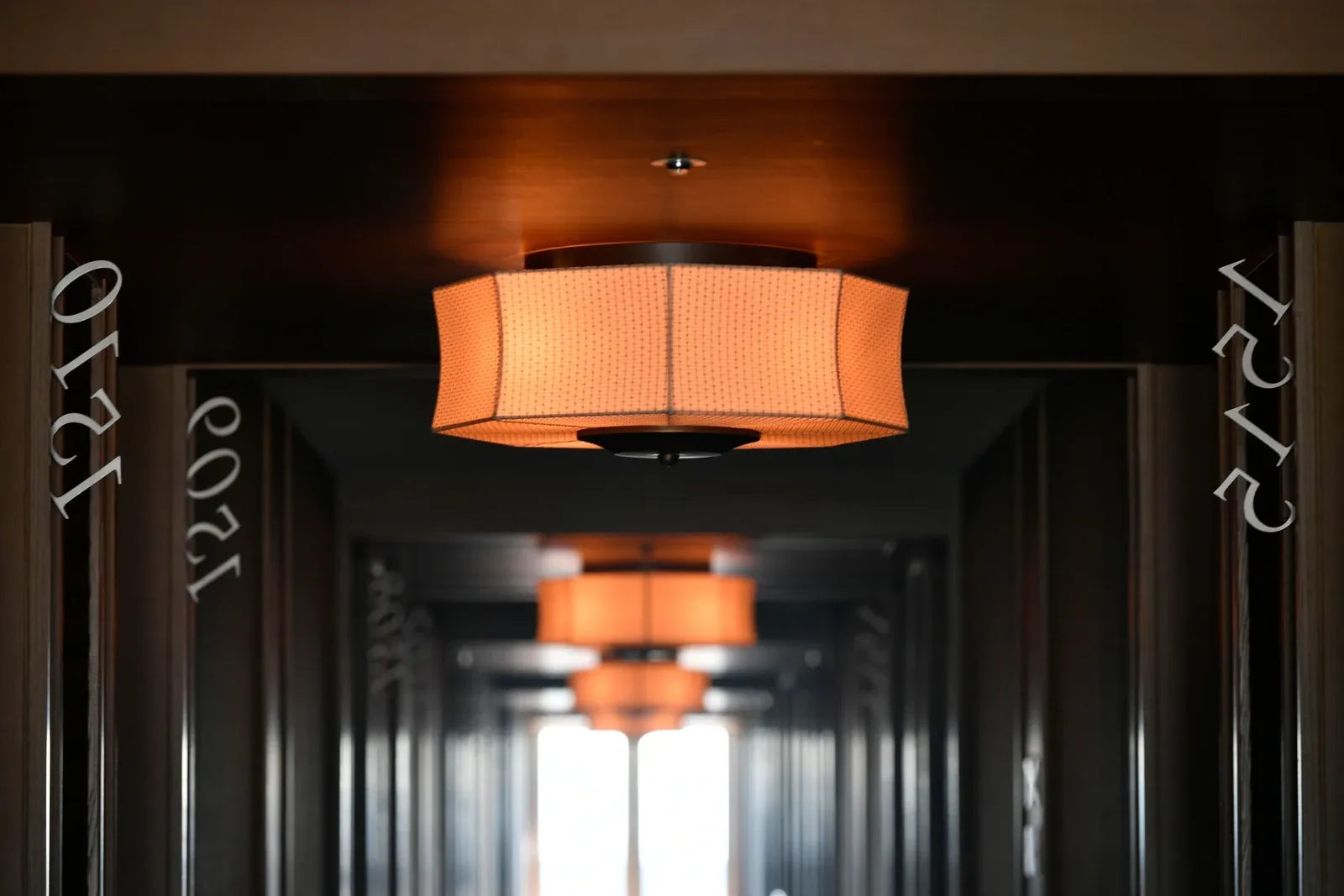
Hospitality is where the trim colour, the CCT and the depth of the anti-glare baffle all get specified — and none of those three needs a mould.
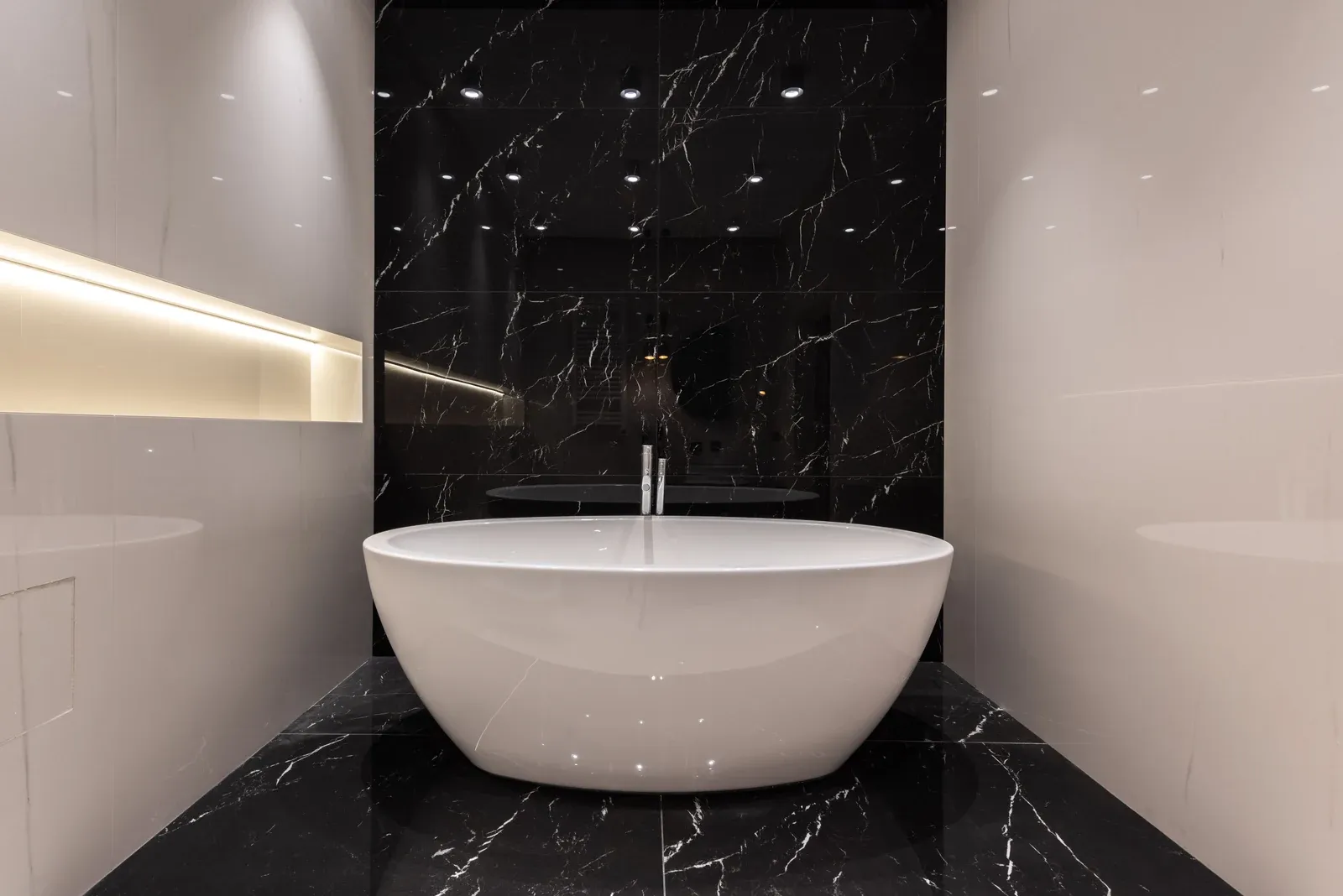
IP44 and IP65 are the first row of the menu that usually does need a tool, because the gasket geometry is part of the body.
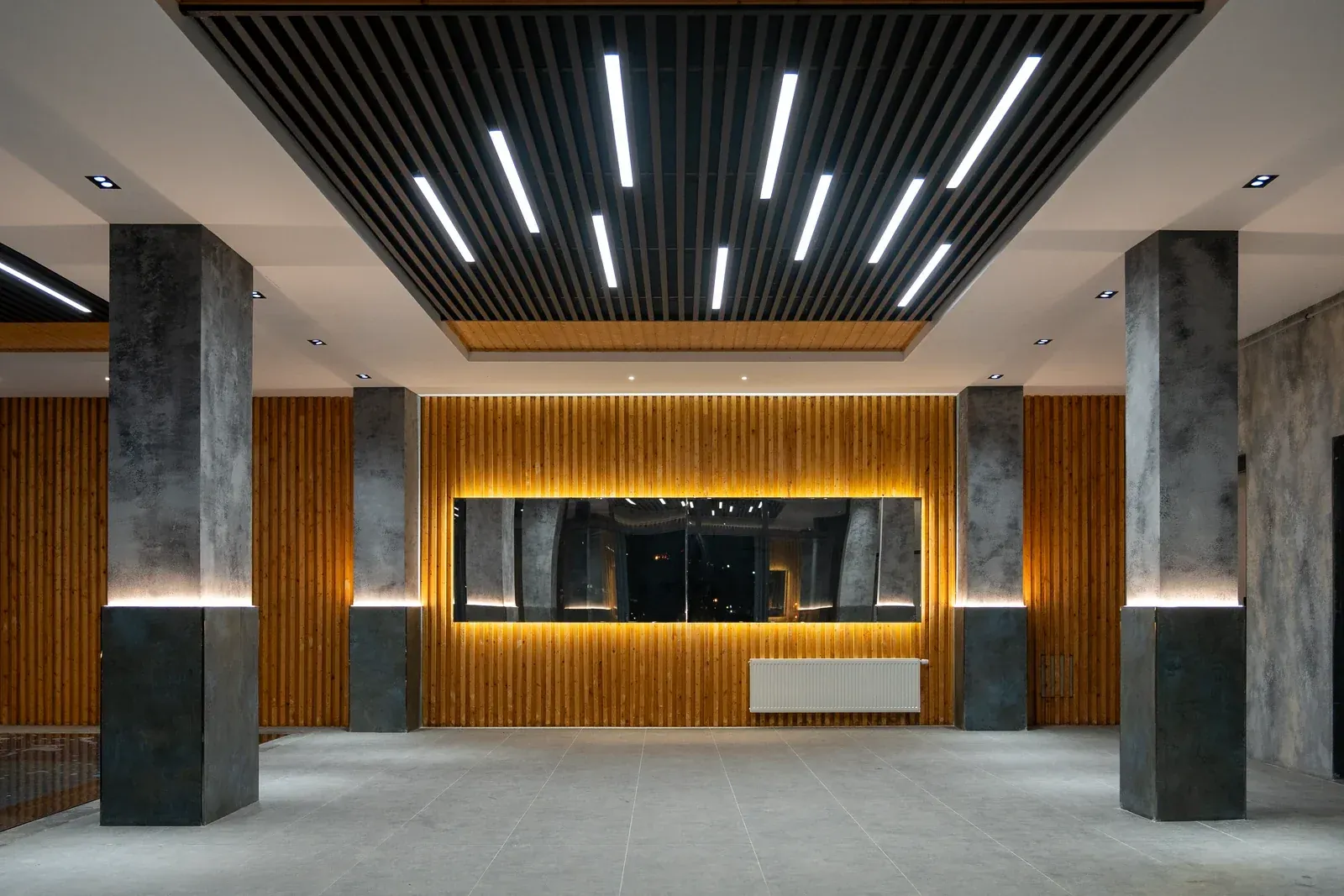
On an architectural soffit, the cut-out is drawn long before the fixture is chosen. That is when you find out whether the platform you picked can be drilled to suit.
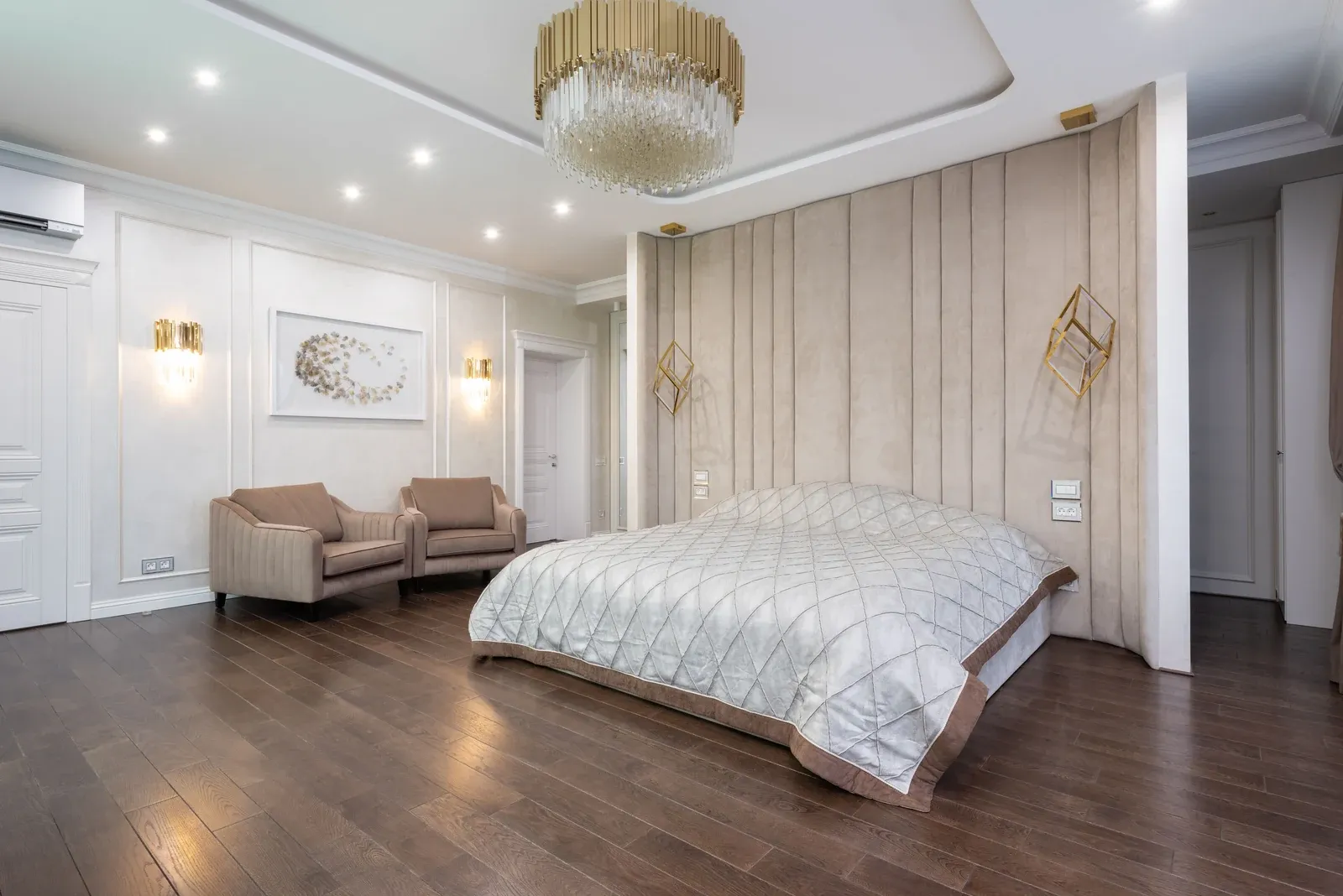
CCT, CRI and beam angle: three changes, none of them tooled, all of them visible in the finished room.
Why the Same Downlight Gets Cheaper as the Order Grows
Run one set of numbers.
Say a stock catalogue downlight leaves the factory at 9.00 USD. Move to an ODM route on an existing platform — a different trim, a different board — and the piece cost drops to about 7.10 USD, because you have stripped out the generic packaging and the generic stock overhead.
But you want your own private bezel. That is one tool at 1,200 USD, plus 800 USD of order-level fixed cost for engineering, artwork and compliance paperwork.
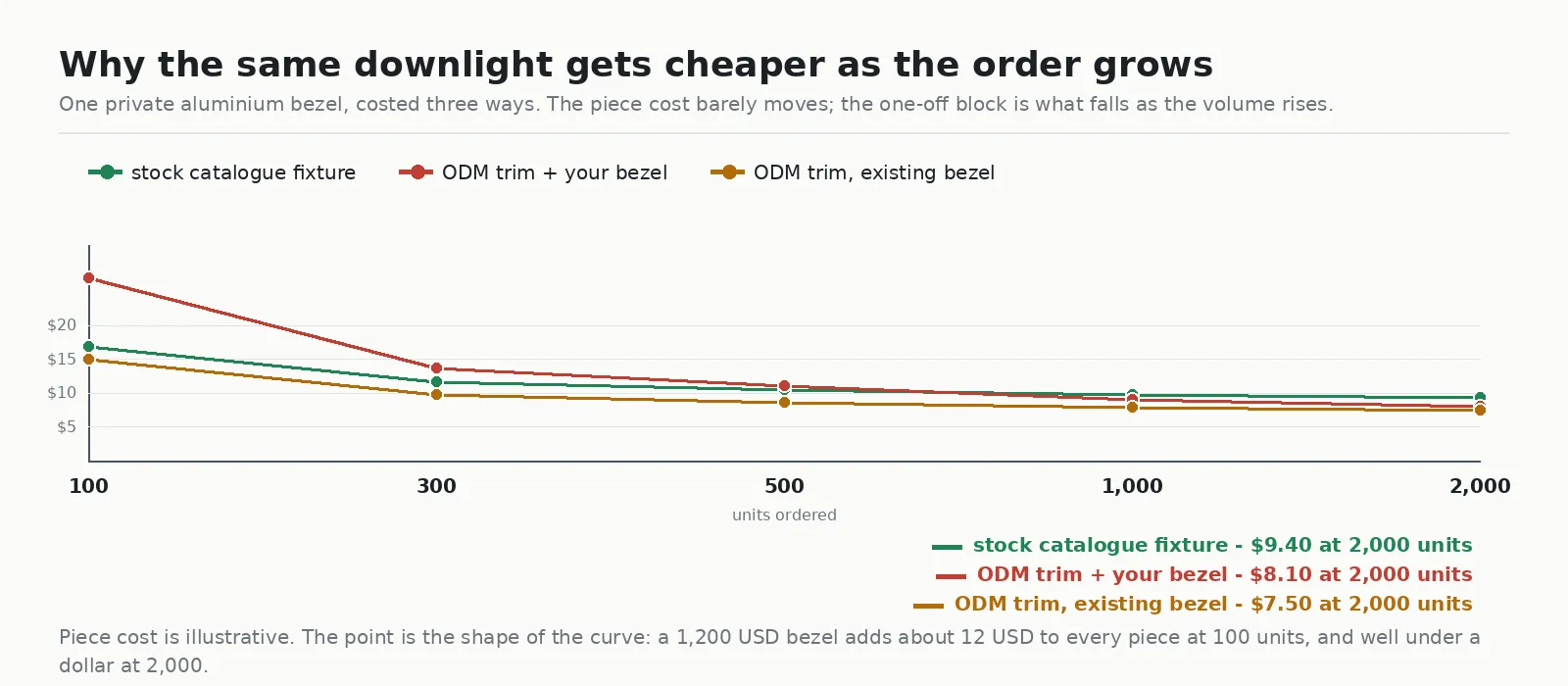
| Volume | Stock fixture | ODM trim, existing bezel | ODM trim + private bezel |
|---|---|---|---|
| 100 | 17.00 | 15.10 | 27.10 |
| 300 | 11.67 | 9.77 | 13.77 |
| 1,000 | 9.80 | 7.90 | 9.90 |
| 2,000 | 9.40 | 7.50 | 8.10 |
Read the first row against the last. The same fixture, at the same specification, costs a third as much at 2,000 units as it does at 100.
Nothing was discounted. The material price did not move. The labour rate did not move. What moved was the denominator: that 1,200 USD tool and 800 USD of order-level fixed cost are divided by 2,000 instead of by 100.
So when you get to the negotiating table, do not attack the unit price. Attack the fixed cost.
- “One colour for the first order, the other two when it sells” — saves a line changeover
- “Use a trim from your existing colour card” — saves a tool
- “Start with a plain carton and a printed label” — saves a cutting die
Any one of those is worth more than grinding 5% off the piece price. The arithmetic behind MOQ, in full, is in our MOQ guide for custom lighting.

This conversation decides the cost, not the price negotiation later. What is on the requirement list becomes the curve.

Take the cut-out, the depth and the trim diameter off the drawing and onto one page before the first quotation. It saves a revision round.
How One 100-Unit Order Becomes Eight SKUs
This is where downlight projects go wrong most often, and it is pure arithmetic.
You say “I want 100 units.” The factory asks: how many models? You say: one model, but three trim colours, two beam angles, two CCTs.
That is not 100 units. That is 100 ÷ 3 ÷ 2 ÷ 2 = about 8 units per SKU.
Every specification change means stopping the line, swapping material and redoing first-article approval. Eight units still has to go through all of it. When a factory tells you “same specification can be mixed, different colours quote separately”, that is not obstruction. It is division.
Practical advice: cut the SKU count for the first order down to the least you can tolerate. The first 100 units are not there to make money. They are there to buy information — does this CCT sell in my channel, does this packaging get accepted, does this price leave room for distribution. The full menu of what can be varied at each level is in our customization and MOQ breakdown.
An RFQ Template for a Downlight Project
Rewrite the details and send it. It works because it pre-answers the questions the factory would otherwise have to ask, so the first reply is a quotation instead of three rounds of clarification.
Hello,
We are evaluating a recessed downlight for [channel / market]. First order around 100 units, annual demand approximately [X] units.
- Product: recessed downlight, [wattage] W, cut-out [diameter] mm, [CCT] K, CRI [90+], beam angle [24°]
- Customisation depth: laser-marked logo + retail box + spec label only. Trim colour from your existing range — no new mould required.
- Colour count: one colour for the first order; two more if it sells through.
- Compliance market: [US / EU / AU-NZ]. We would like to use your existing certification and have our model number listed.
- Please quote: unit price at 100, 500 and 1,000 units. If there is any tooling or engineering fee, list it separately.
- Please confirm: cut-out diameter and body height, sample lead time, production lead time, payment terms and warranty.
Attached: our logo files, packaging dimensions, and the ceiling void depth on site.
Pay attention to item 5. Asking for three price breaks in one email is the smartest move in the whole template. It shows you the slope of the curve before you commit. If 100 units and 500 units differ wildly, fixed cost dominates and there is room to talk. If they are close together, the factory’s small-run economics are already good and you can place the 100-unit order with confidence.
Item 6 is downlight-specific. Asking for the cut-out and the body height in the same breath as the price is how you avoid the most expensive kind of mistake in this category: a container of fixtures that does not fit the hole.
Four Mistakes That Cost Downlight Buyers Money
Mistake 1 — Accepting a track light certificate for a downlight. Recessed luminaires and fixed general-purpose luminaires are tested under different clauses. Read the product category and the standard number on the certificate, not just the logo in the corner.
Mistake 2 — Leaving the cut-out until last. A downlight is trapped by the ceiling. If it arrives and the hole is 2 mm too small, you have a pallet of scrap. Pin the cut-out, the body height and the trim diameter on the specification sheet at stage one.
Mistake 3 — Approving a sample on appearance alone. A tested sample covers measured beam angle against claimed, the R9 value in the CRI, driver flicker, temperature rise, trim coating texture and assembly gaps. Approving from a photograph is not first-article approval. Our photometric guide, CRI guide, CCT guide and UGR guide cover the numbers worth writing into the specification.
Mistake 4 — Treating MOQ as a bargaining chip. An MOQ is a price tag attached to the change you asked for. To move it you change the configuration or the volume. Haggling does not touch it. Our factory vetting checklist covers the questions that decide whether the factory quoting you can actually deliver a tooled downlight programme.
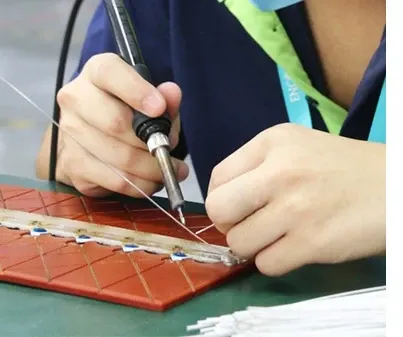
Light engines are built in house. That is what makes changing the board a configuration choice rather than a tooling project.
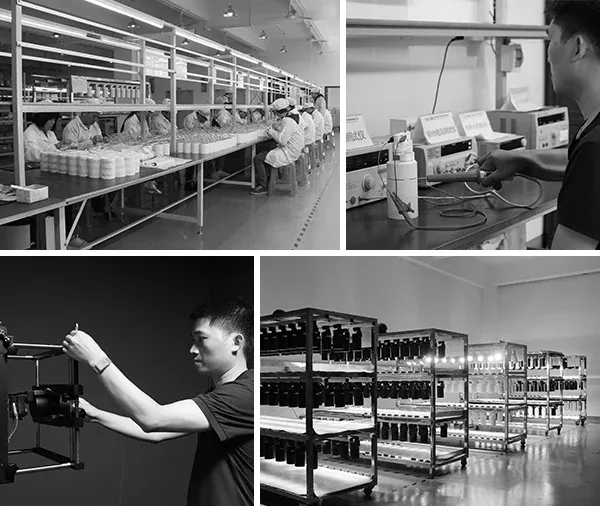
The same line runs a 100-unit downlight order and a 5,000-unit one. What changes is the changeover, not the process.
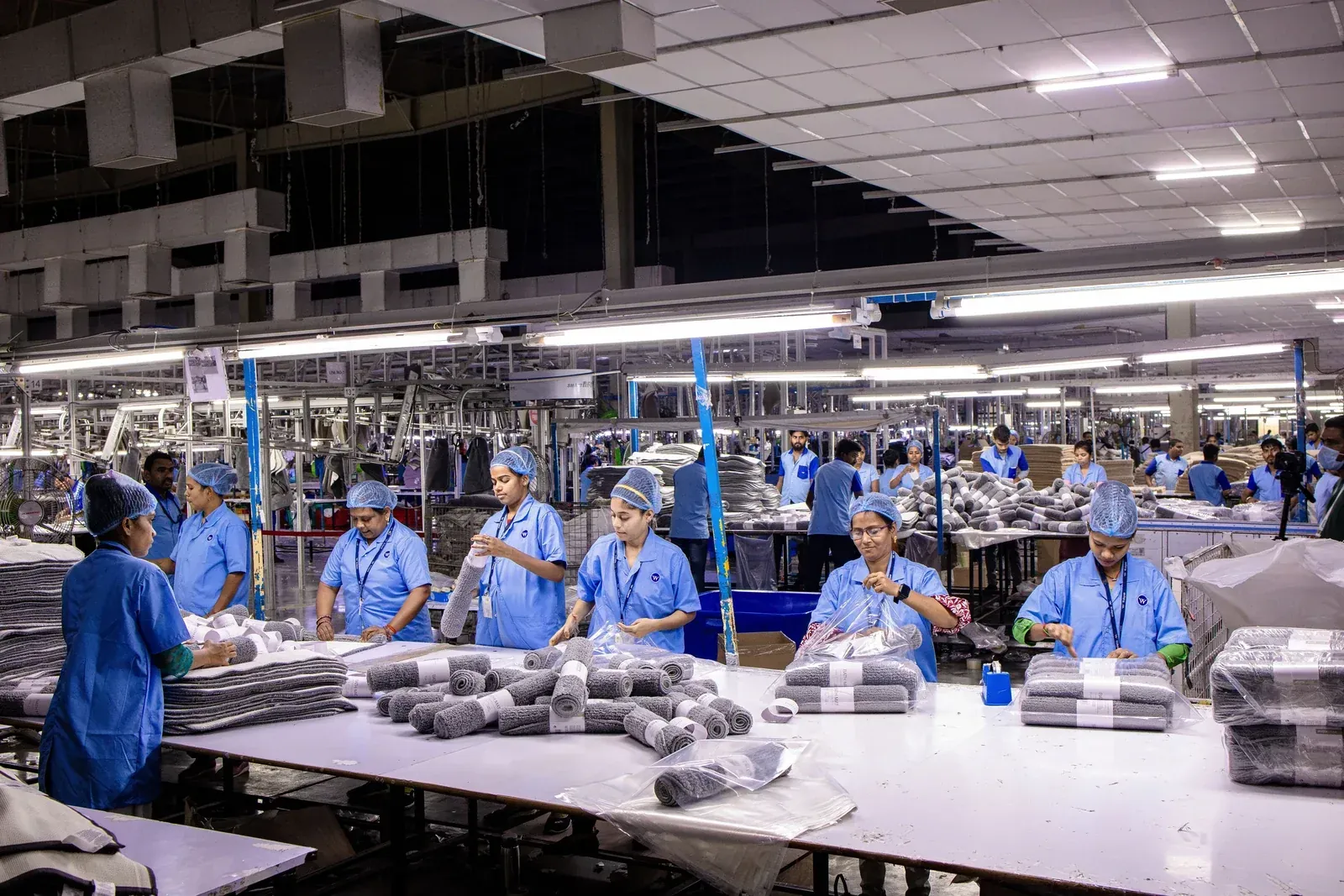
Mass production is the one stage the buyer barely touches. Everything upstream of it is where your money was decided.

100% aging on every order, small ones included. The record matters as much as the test.

Freight behaves like tooling: the same whether the pallet holds 100 downlights or 2,000. That is part of why small orders cost more per unit.
How ENCORE Runs ODM Downlights
We build LED downlights, track lighting, magnetic track systems and commercial luminaires in Shenzhen, with ETL / CE / SAA / ISO 9001 documentation available per model.
When a buyer arrives with a 100-unit first order, here is what actually happens:
- Your requirement list is mapped against our existing tooling first, and you are told plainly which items need a mould and which do not.
- Three price breaks are quoted — usually 100, 500 and 1,000 units — so the cost structure of your MOQ is visible before you commit.
- A 100-unit order runs the same first-article approval and aging process as a 5,000-unit order. Small orders do not get a lighter QC process. Read the full quality control process.
- The sealed sample and first-article record stay on file, so your second order starts from a defined standard rather than from somebody’s memory.
We also have downlight platforms that work directly as an ODM starting point, so you are modifying rather than inventing:
- DELLA — mini, adjustable, wallwasher, pin-hole, IP65, fixed, fire-rated and decorative variants, in the shallow-aperture range most residential and hospitality work needs
- ELLA — hotel round fixed and adjustable, square adjustable, wall washer and deep anti-glare, for corridors and guest rooms where glare control is specified
- AVA — an MR16 modular system, residential and commercial, for projects that want a replaceable lamp
Every one of these is tooled, tested and certified. What you change on top is the surface layer: badge, trim colour, beam, CCT, CRI, driver and carton. See how a specification travels from enquiry to certified production on the OEM/ODM page, or talk to our LED downlight range directly.

Trims, finishes and light output, reviewed in person before the first order.
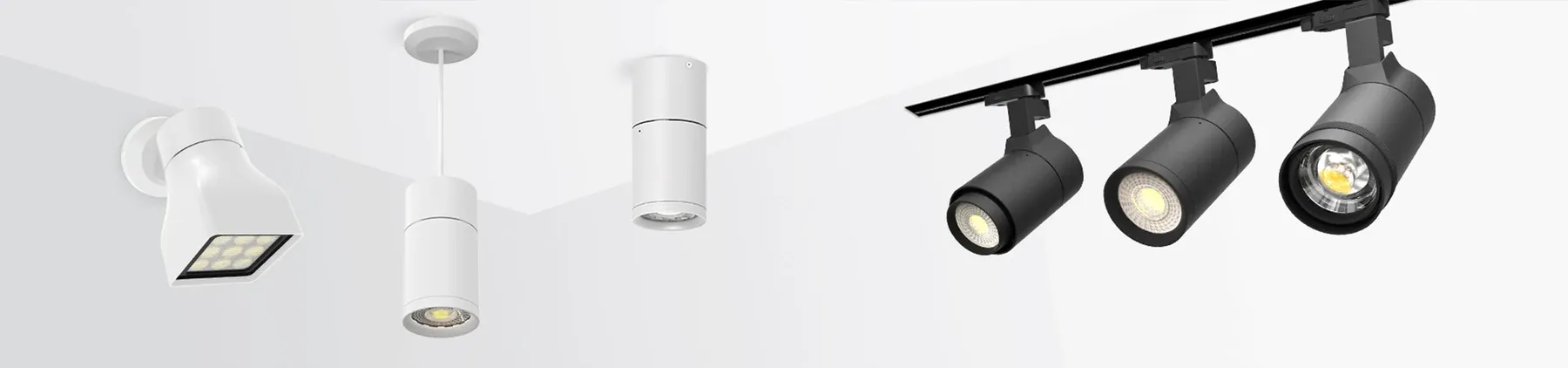
Existing platforms, ready to be trimmed to your brand: recessed, cylinder and track in one family.
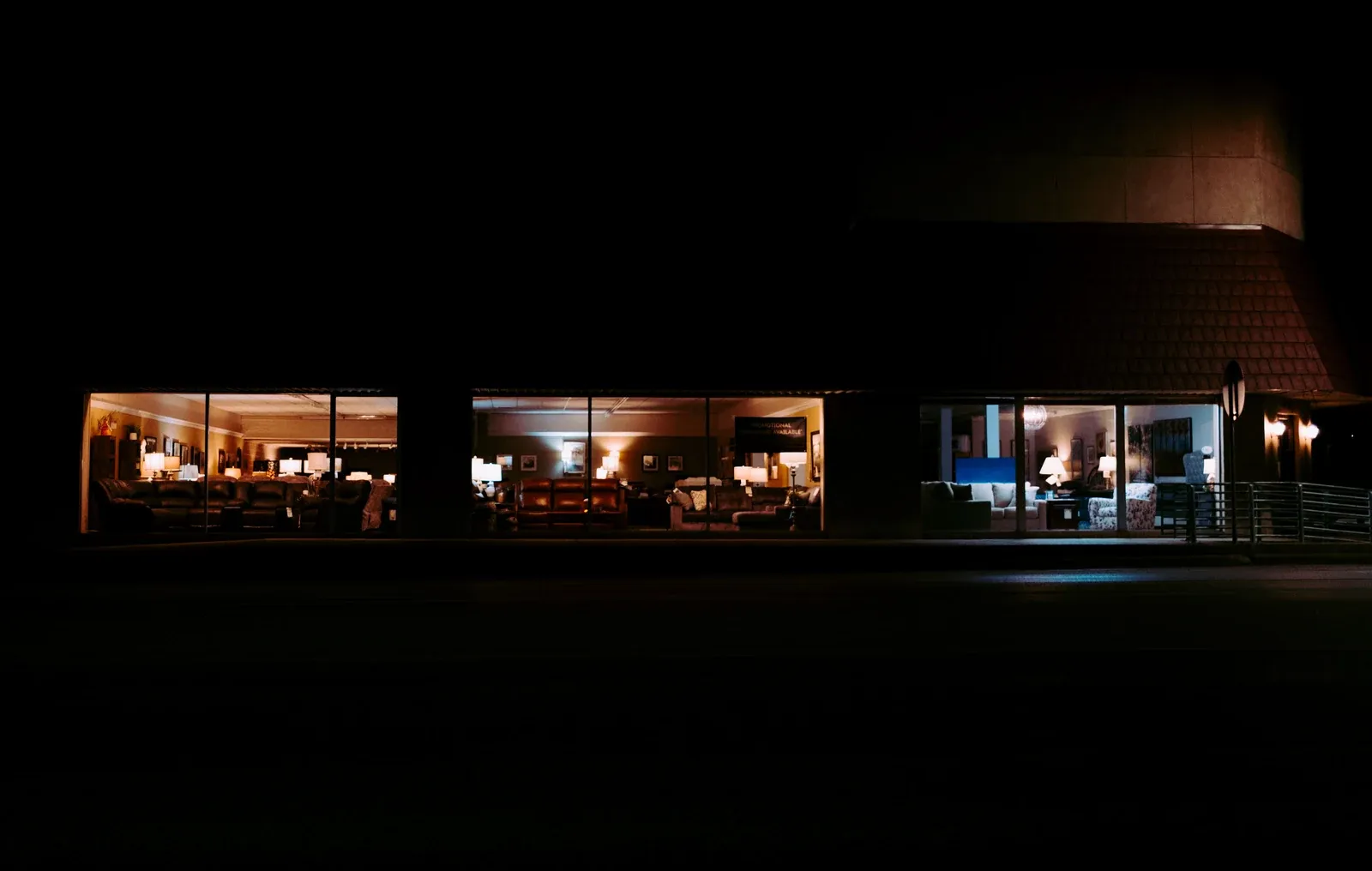
Retail and showroom work is where the R9 value stops being a data-sheet number and starts being the reason a client approves the mock-up.
FAQ
What is the difference between ODM downlights and OEM recessed lighting? It comes down to who owns the drawing. ODM downlights means you start from a platform the factory already designed, tooled and certified, and change the trim, optics, CCT and packaging. OEM recessed lighting means the drawing or specification is yours, the tooling is normally on your invoice, and the certificate names your model. OEM buys you a housing nobody else can sell; ODM buys you speed and a lower entry volume.
Is “ODM recessed lighting” different from “ODM downlights”? No. “Recessed lighting” is the older category term, “downlight” is the current product term, and both describe the same fixture. Search both, because suppliers and directories index them separately — but expect the same product behind either phrase.
What is the MOQ for ODM downlights? It tracks the depth of the change, not the product: 100–300 units for branding and packaging, 300–500 units for a trim colour or a CCT, 500–1,000 units once a lens tool is involved for a custom beam angle, 1,000–2,000 units for a change to the IP or fire-rated construction, and 2,000–5,000 units for a cut-out or body that is only yours.
Why does a larger order cost less per downlight? Because part of the cost of an order does not scale with quantity. A mould, an engineering fee, a certification file, a line changeover and a freight booking are all costed per order. Dividing 2,000 USD of one-off cost by 100 units is 20 USD a unit; dividing it by 2,000 units is 1 USD. The bill of materials is identical in both cases.
Can I use the factory’s existing certification for my downlight? Usually yes, as long as nothing you change alters the electrical or construction characteristics the certificate describes. Once you change the driver, the board or the body structure, the certificate may no longer cover the article — and recessed luminaires are assessed under their own clause within the AS/NZS 60598 family, separate from track-mounted fixtures. State your target market at quotation stage so certification runs in parallel with tooling.
Can an ODM downlight supplier provide IES photometric files? A project-oriented factory can, and should. IES files are the required input for DIALux and AGi32, so any downlight specification that involved a lighting design needs them. A supplier who cannot produce an IES file for the model they are quoting is not set up for project work — which is the fastest single test in this category.
Can I get a fully custom downlight at 100 units? Not if “fully custom” means a new body housing or a new optical tool. That is a tooling threshold, not a volume threshold. What 100 units will get you is your own logo, packaging, trim colour, CCT, CRI and beam angle chosen from an existing platform. Beyond that, the entry point is 1,000–2,000 units.
What should I check when approving an ODM downlight sample? Measured beam angle against the claimed figure, the R9 value within the CRI, driver flicker, temperature rise at rated load, trim coating texture, and assembly gaps. Then seal the sample, get it signed by both sides, and keep the record — on a downlight, the 2 mm gap and the trim shade are the two things that are almost impossible to argue about later without it.
How long does an ODM downlight project take? Selection 1–2 weeks, sampling 2–3 weeks including the return leg of the courier, certification 2–8 weeks depending on market, and mass production 3–5 weeks. Certification normally runs in parallel with tooling, so the stage that actually sets your date is usually the sample round, not the certificate.
The Short Version
Back to the three phrases, answered properly:
- ODM downlights means starting from a platform that is already tooled, tested and certified, and changing the layer that is cheap to change. Your badge, your trim, your light quality, your carton.
- OEM recessed lighting means bringing the drawing. The tooling and the certificate are yours, and so is the entry volume.
- ODM recessed lighting is the same category under its older name. Do not let the wording decide who you talk to.
Which one you want depends on how much you are willing to pay for “nobody else has this” — and that payment is the mould. Find the row your change sits on in the eight-item menu above and the minimum order, the cost and the lead time all stop being a negotiation. They become arithmetic.
Send us your cut-out, your target market and your first-order quantity, and we will tell you which parts of your list are reachable at 100 units, which ones trigger a tool, and what the smartest route to the second order looks like. Request a custom downlight quote →
Read next: Private Label vs OEM vs ODM Lighting: What’s the Real Difference? for the full sourcing ladder and where 100 units really lands — or MOQ Demystified: What “100 Units” Really Means in Custom Lighting for the arithmetic of minimum orders in full.
- odm led downlight
- odm recessed lighting
- oem recessed lighting
- odm downlight manufacturer
- private label downlight
- recessed downlight supplier
- custom led downlight
- downlight odm flow
- recessed lighting oem odm
- led downlight moq

ENCORE Lighting Team · ENCORE
LED Lighting Manufacturer & OEM/ODM Partner
The ENCORE engineering and sourcing team writes about LED track lighting, downlights, magnetic systems, certifications and OEM/ODM manufacturing for B2B buyers and specifiers.