· Certifications & Compliance · 13 min read

Written by ENCORE Lighting Team
LED Lighting Manufacturer & OEM/ODM Partner ·
ETL Certification for Lighting: What It Costs, How to Verify
ETL certification for lighting explained: what the Intertek ETL mark actually tests, what it costs to certify a luminaire, how ETL compares to UL and cUL, and a step-by-step checklist to verify a real ETL certificate against the specific SKU you are buying.
When you win a commercial lighting project in the United States or Canada — a retail chain, a hotel, a museum, an office fit-out — every spec sheet and every tender document is likely to contain the same short string: ETL, UL, cUL. These are not optional extras. They are the entry ticket.
Yet most buyers and brands know only that they need certification. Very few can answer the three questions that actually protect their budget, their schedule and their liability: What does ETL actually test? What does it cost? And how do you verify that a certificate is real — and that it belongs to the exact fixture you’re buying?
This guide answers all three, line by line, with the same checklist we walk our own OEM and ODM partners through.
What Is ETL Certification for Lighting?
ETL is the certification mark of Intertek, and it is issued under the ETL Listed program. Intertek is a Nationally Recognized Testing Laboratory (NRTL) in the United States, which means it is authorised to test and certify products against UL safety standards.
The critical point most people miss: ETL is not its own separate standard — it applies the UL standards. In other words, the ETL mark and the UL mark are equivalent on safety. Both prove the product complies with the same UL safety specification. That is exactly why many US states, most insurers, and a huge number of large commercial projects accept ETL and UL interchangeably.
A real ETL certificate is not a logo — it is a documented, traceable decision. Here is what a typical ETL Authorization to Mark contains, using an actual Intertek-issued certificate as the reference:
- Standard(s) — the North American safety standard it is tested against, e.g. UL 1598 (luminaires) and CSA C22.2 No. 250 (the Canadian counterpart)
- Product — the category, e.g. “LED track lighting”
- Model — the specific series and specification codes covered
- Applicant / Manufacturer — the legal entity the certificate is issued to (and therefore who carries the responsibility)
- Reporting lab — e.g. Intertek Testing Services
- Control number / report number — the unique identifier you use to look the certificate up in the official Intertek directory
Every single field matters. That is because the certificate only covers the product and models that are actually listed on it — not your fixture, if your fixture is not there.
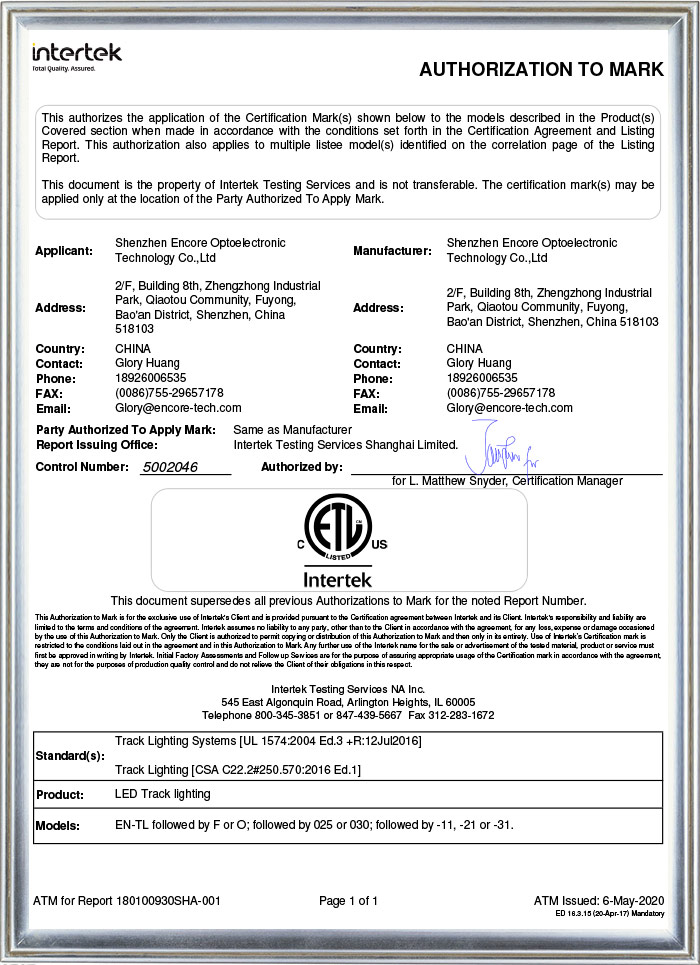
The certificate above is a real example of what to ask for: an Intertek Authorization to Mark that names the product, the model and the standard — not just a logo. This one is issued to Shenzhen Encore Optoelectronic Technology (control no. 5002046), covering LED track lighting against UL 1598 and CSA C22.2 No. 250.
Why ETL Certification Matters for Your Lighting Project
- Market access. Commercial lighting sold or installed in the US and Canada is subject to mandatory electrical-safety requirements. Without an ETL/UL mark, the product is often not legal to sell or install.
- Code and plan approval. North American electrical inspectors (the Authority Having Jurisdiction) and project engineers routinely require a verifiable NRTL certification before sign-off.
- Insurance and liability. Fitting a project with uncertified fixtures leaves you exposed. If something goes wrong, an unlisted luminaire can void coverage and shift blame.
- Buyer trust. For B2B buyers, a publicly verifiable ETL certificate is hard evidence of factory credibility — far more convincing than any sales claim.
- Programme consistency. A multi-site brand needs every SKU to carry its own certification, so one project site is not held back by a different, uncertified batch or model.

Certified luminaires are non-negotiable in high-value commercial and cultural spaces like galleries, museums and retail — exactly the projects where an unverified certificate becomes a real risk.
What Does ETL Certification Actually Test?
ETL testing for a luminaire is all about electrical and fire safety — not how bright or how pretty the light is. A typical ETL evaluation covers:
- Electrical safety — insulation, dielectric voltage withstand (hi-pot), grounding continuity, creepage and clearance distances
- Thermal performance — temperature-rise tests to confirm the LED, driver and housing do not overheat under rated load
- Mechanical safety — housing strength, ingress protection (IP), structural stability, suspension and mounting
- Shock protection — protection against contact with live parts
- Abnormal and fault conditions — behaviour under short circuit, overload and other fault scenarios
- Markings and instructions — correct rating labels (voltage, wattage, frequency, model) and documentation
In short, ETL is a safety passport. It tells you the fixture will not burn, shock or overheat under normal and abnormal conditions. It does not tell you whether the light looks good, is bright enough, or renders colour accurately. Those attributes are verified separately with IES photometric files, CRI, CCT and SDCM data — which is a completely different conversation.
How Much Does ETL Certification Cost?
This is the question buyers ask most, and the one where they get misled most often. Here is the honest answer up front: ETL certification has no single fixed price. It depends on the product type, whether an existing certified platform is available, and whether new tooling and new testing are required. The figures below are typical order-of-magnitude ranges you will see across the industry — actual quotes always come from the testing laboratory and should be treated as the only authoritative number:
- Initial engineering evaluation and testing — depends on the fixture type and the number of tests required. Expect laboratory and test fees in the thousands to tens-of-thousands of dollars range.
- Listing / file maintenance fee — a fee to establish and maintain the product file with Intertek, usually charged per model or per series, often as an annual listing fee.
- Factory follow-up inspection — ETL certification typically requires periodic factory audits to confirm mass production matches the certified sample. This is a recurring cost.
- Adding a new model to an existing platform — adding a new SKU to an already-verified series (same family, different specification) is usually far cheaper and faster than certifying a brand-new product from scratch.
Here is the real cost logic: the expense is not “buying a certificate.” The expense is making the product pass the standard by design, and getting the certification onto your specific model number. That is exactly why choosing a factory that already runs a mature ETL platform on the same product family — and is willing to list your SKU on it — can save you a very large amount of time and money.
ETL vs UL vs cUL vs CSA: What Is the Difference?
- UL and ETL — both apply the same UL standards and both are recognised NRTLs. The safety level is equivalent. The only difference is which laboratory tests and issues the mark (UL itself, or Intertek).
- cUL / cETL — the “c” prefix denotes conformity with the Canadian standard (CSA C22.2), for the Canadian market.
- CSA mark — from the Canadian Standards Association, used for the Canadian market.
- CE (EU) and SAA (Australia / New Zealand) — these are entirely separate certification schemes for different markets. They are not interchangeable with North American ETL/UL.
So the rule is simple: North America → ETL/UL. Europe → CE. Australia and New Zealand → SAA. At ENCORE we run all four in parallel, and publish the full set on our certification overview page.
How to Verify an ETL Certificate (Step by Step)
This is the most practical part of the guide. If you are handed an ETL certificate — or told “we’re ETL certified” — run this checklist. It takes about ten minutes and it will tell you whether the certificate is genuine and whether it actually covers the product you are buying.
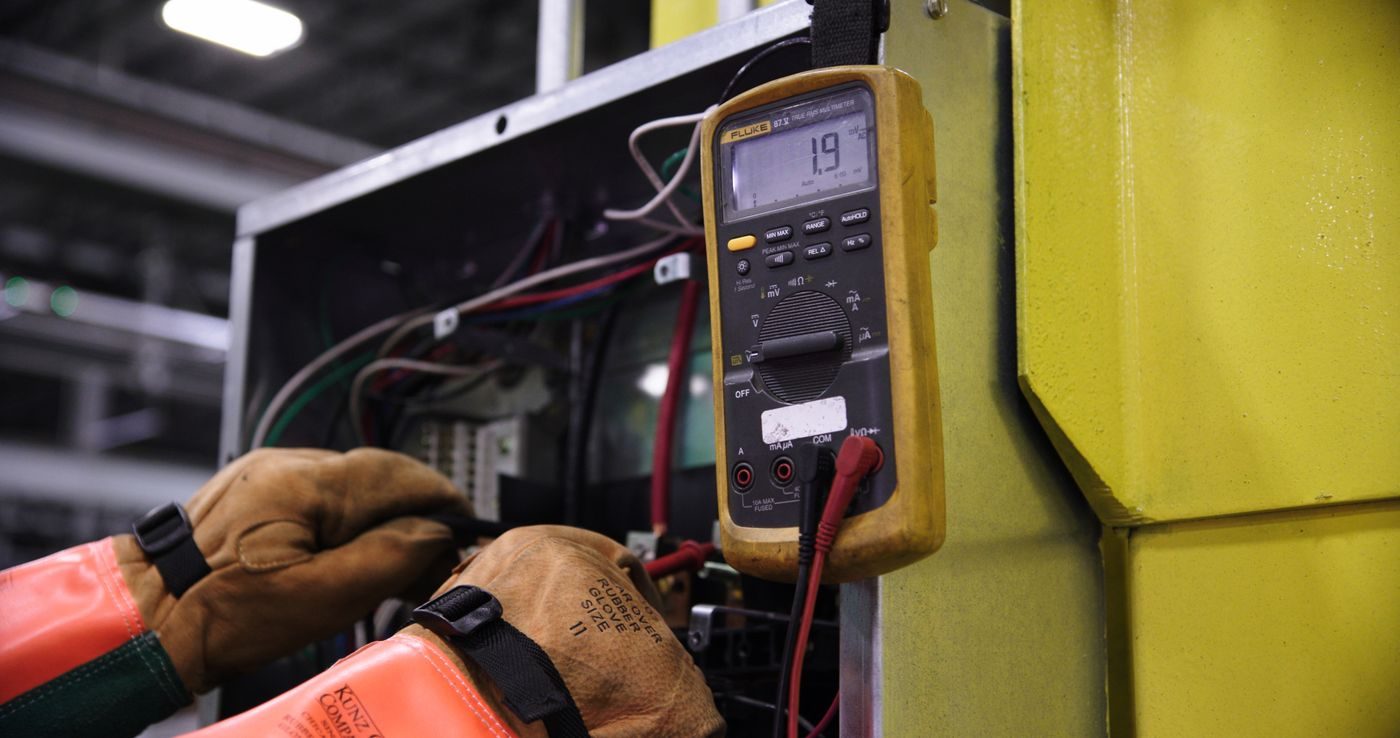
Verification starts with the certificate’s control number and standard — not with the logo.
1. Look it up in the official Intertek directory
Go to the Intertek online certification directory and search the control number or report number printed on the certificate. A genuine certificate resolves to a real listing.
2. Match the product and the model number
The directory entry must show the product category and the specific model numbers covered. If the model in the directory does not match the SKU you are about to buy, the certificate has nothing to do with your fixture.
3. Confirm the applicant and the manufacturer
This determines whose name carries the liability. Make sure the applicant is your contract factory — or you — and not a third party. If the certificate is issued to someone else’s company, it is not covering your product.
4. Check the standard
Confirm the standard number in the directory (e.g. UL 1598) matches the product and its intended use. A certificate for one product category does not cover another.
5. Request the actual Authorization to Mark document
A screenshot is not evidence. Ask the factory for the formal Intertek Authorization to Mark — the document listing the full product, model, standard and control number. This is far more reliable than a marketing image.
6. Confirm validity and ongoing factory surveillance
Make sure the certificate is currently valid and that the factory remains inside the Intertek follow-up inspection cycle — not an expired or lapsed listing.
The one rule to remember: a certificate must be in the name of your exact SKU — otherwise it is someone else’s certificate. This is a point we hammer home in our 6-step OEM sourcing checklist and our custom track lighting manufacturer buyer guide.
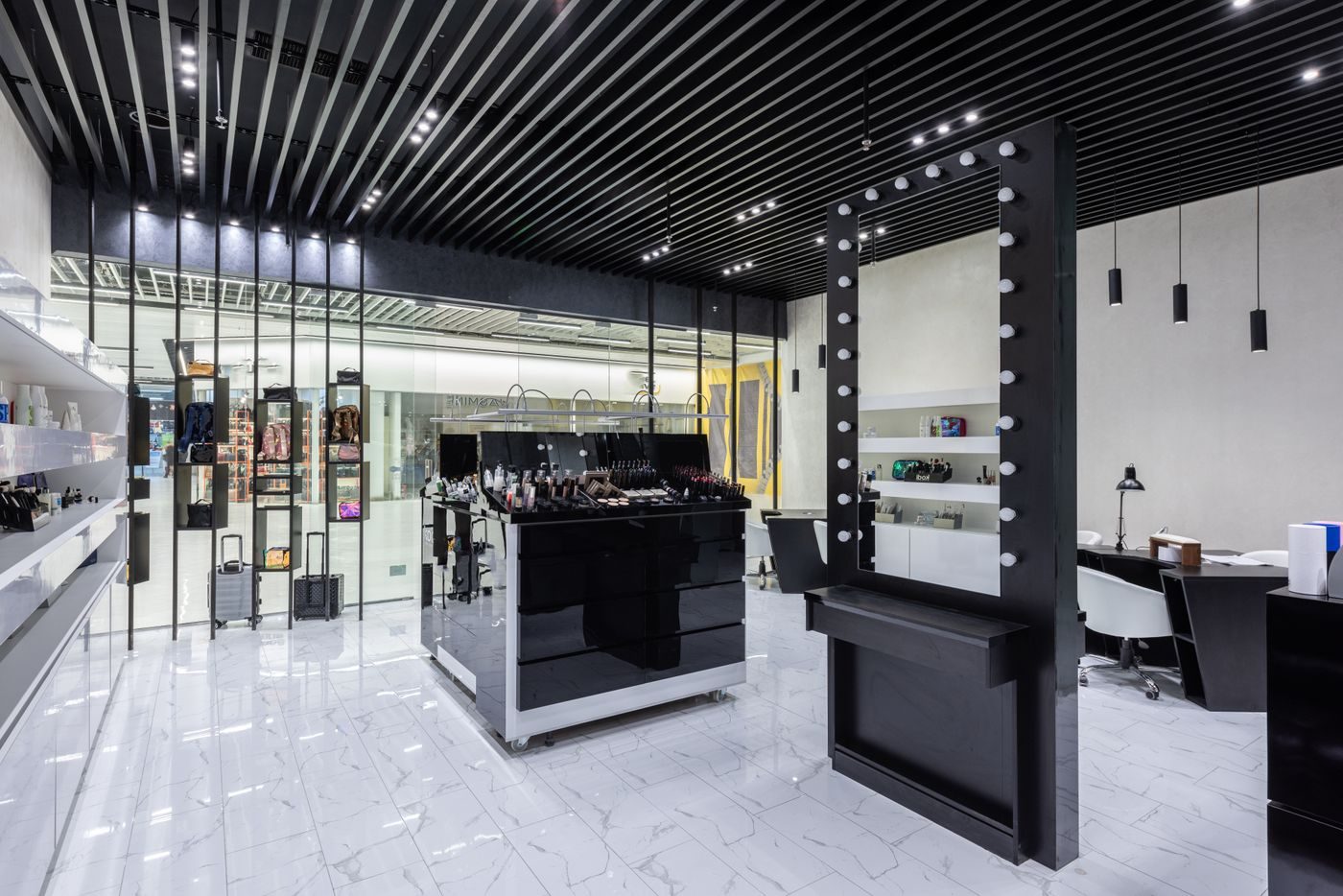
Market access is the whole point — ETL certification is what lets you legally supply retail and commercial projects in North America.
Common Certification Mistakes and Red Flags
- “The whole factory is ETL certified.” ETL certifies product models, not factories “in one click.” No specific model, no specific certification.
- Showing you someone else’s certificate. If the applicant and manufacturer on the document are not you or your factory, the certificate means nothing for your product.
- “The certificate is old but still fine.” Verify it is currently valid and the factory is still in the follow-up inspection cycle.
- “We’ll ship your model first and certify it later.” Shipping uncertified luminaires into North America is high-risk — plan approval, insurance and customs can all break.
- Confusing CE with ETL. European CE does not replace North American ETL. Different markets, different standards.
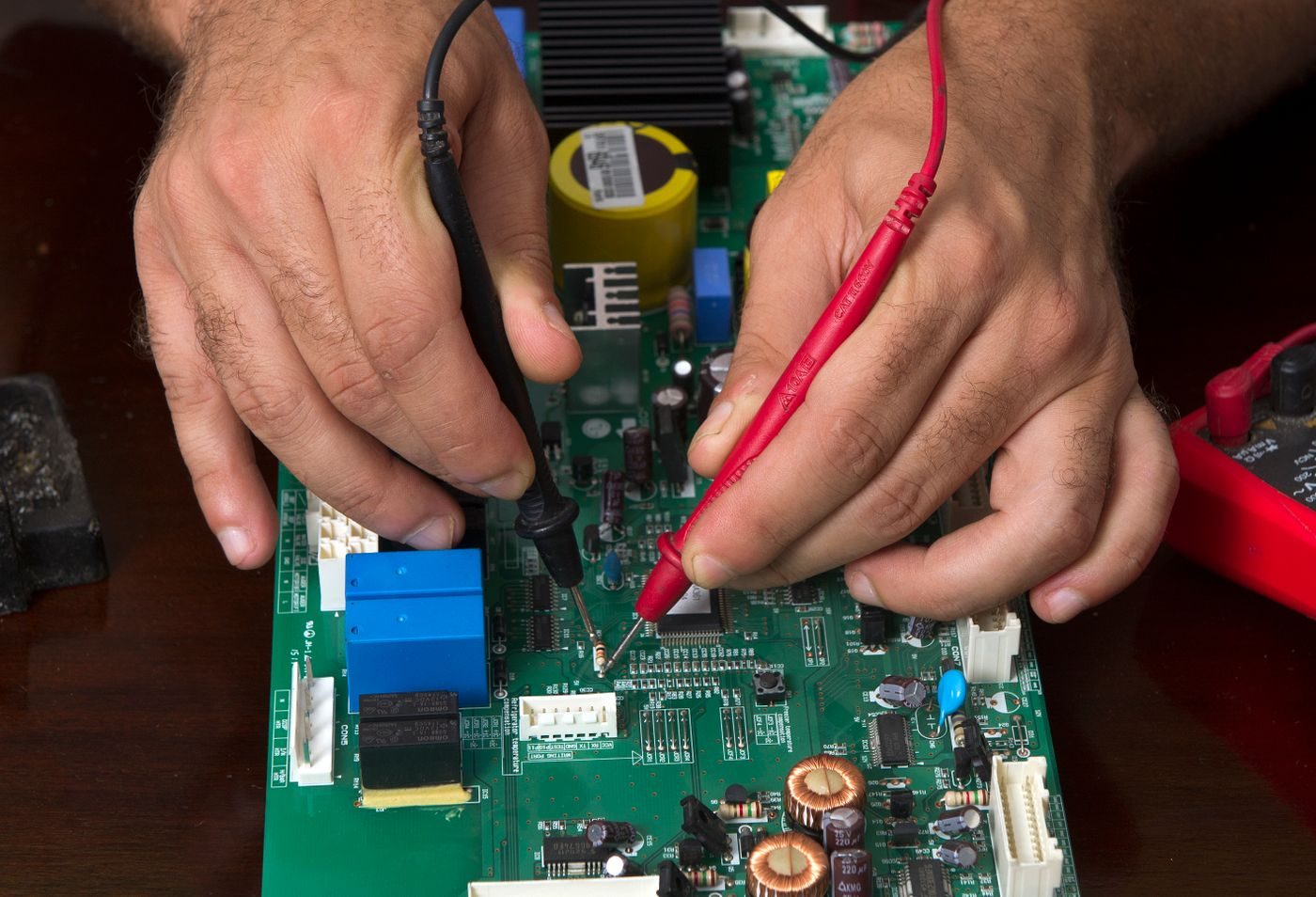
Certification is only as good as the design behind it — the driver, the thermal path and the insulation all have to pass by design, not by label.
How to Combine ETL Certification with a Reliable Supplier
“Has a certificate” is not enough — the certificate has to be on your product. So when you evaluate suppliers, prioritise factories that:
- Already run a mature ETL platform on the same product family — e.g. LED track lighting, downlights or magnetic track systems. That means certifying your new SKU is faster and cheaper.
- Are willing to list the certificate on your specific model numbers, not just show a generic certificate.
- Maintain an auditable quality-control process — incoming inspection (IQC) → in-process control (IPQC) → 100% ageing test → outgoing control (OQC) — so mass production stays consistent with the certified sample. See our quality control flow page for what that looks like.
We consolidate ETL, CE, SAA and ISO9001 certificates on one certifications page so you can verify everything in a single place — and request the authorising documents for the exact models you source.
FAQ
What is the difference between ETL and UL certification? In North America they are safety-equivalent and both apply the same UL standards. The only difference is the laboratory — ETL is issued by Intertek, UL by UL Solutions. Most projects and insurers accept both.
How much does ETL certification cost? It depends on the product, whether a certified platform already exists, and whether new tooling and testing are needed. Typical ranges span thousands to tens of thousands of dollars for initial testing, plus per-model listing fees and recurring factory follow-up inspection. Always treat the lab’s formal quote as the only authoritative figure — and note that adding a model to an existing certified platform is far cheaper and faster.
Does one ETL certificate cover all of a factory’s models? No. ETL certifies specific models or series, and the certificate lists those models. Confirm the exact SKU you are buying appears on the certificate.
How can I quickly confirm an ETL certificate is real? Search the official Intertek directory using the certificate’s control number or report number, then match the product category, the specific model numbers, the applicant/manufacturer and the standard. Also ask the factory for the formal Authorization to Mark document.
Does ENCORE’s lighting carry ETL certification? Yes. ENCORE’s LED track lighting and related products hold an Intertek-issued ETL certificate, alongside CE (EU), SAA (Australia/NZ) and ISO9001 certification. The full set is published on our certifications page.
Conclusion
ETL certification is not a checkbox you can skip — it is the safety passport that lets you enter the North American commercial lighting market. The real cost is not the certificate itself, but making the product pass the standard by design and getting the certification onto your exact SKU. And the real skill is learning to verify a certificate, because that one skill protects your project, your budget and your brand.
The next time a supplier tells you “we’re ETL certified,” you will know exactly what to say: “Give me the control number — I’ll look it up in the directory — and send me the Authorization to Mark for this exact model.” That single sentence eliminates a surprising share of the unreliable quotes.
We publish ETL/CE/SAA/ISO certificates, photometric data and the full customization menu on one certified OEM/ODM platform. Send us your spec sheet and we will tell you honestly what is buildable, what is certifiable on your SKU, and what it costs. Request a custom lighting quote →
Read next: Custom LED Lighting Manufacturer: OEM/ODM Services — the complete menu of what you can customize on certified track lights, downlights and magnetic systems.
- ETL certification lighting
- ETL certification cost
- ETL vs UL lighting
- how to verify ETL certification
- ETL listed LED lighting
- UL 1598 lighting
- ETL lighting certificate
- cUL certification

ENCORE Lighting Team · ENCORE
LED Lighting Manufacturer & OEM/ODM Partner
The ENCORE engineering and sourcing team writes about LED track lighting, downlights, magnetic systems, certifications and OEM/ODM manufacturing for B2B buyers and specifiers.